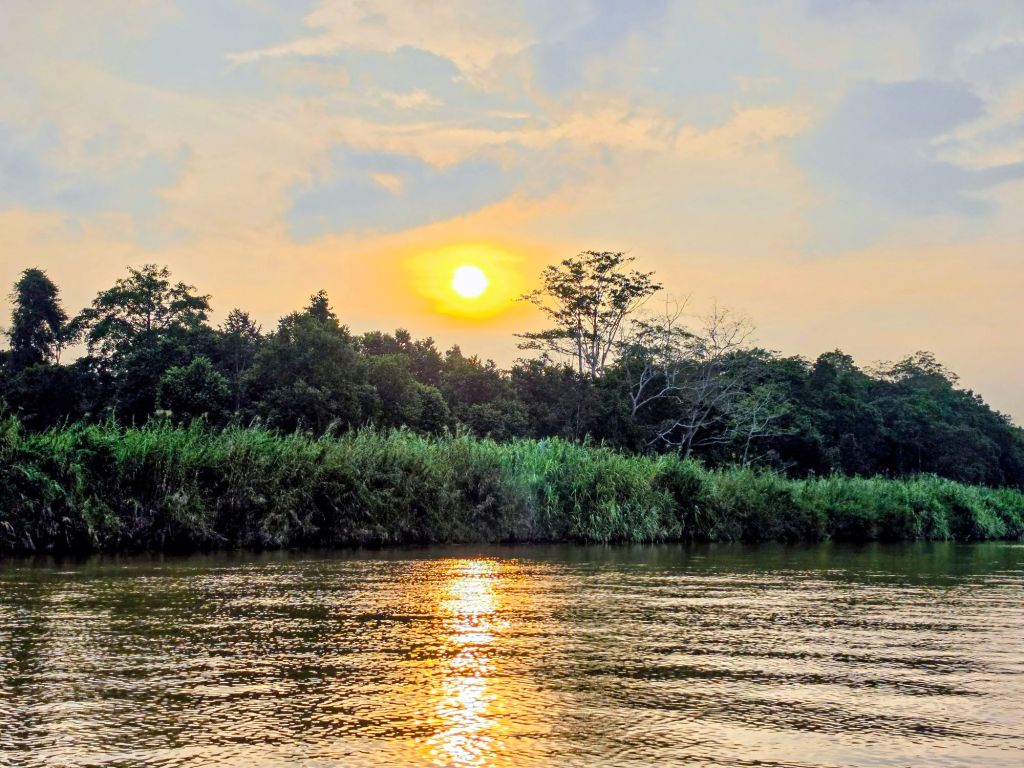
3 mornings of tree maintenence and 3 days of river sightings have proven eventful. We’ve maintained 350 trees so Mark says. I am not so sure of that, but we also have 2 other local guys working with us too.
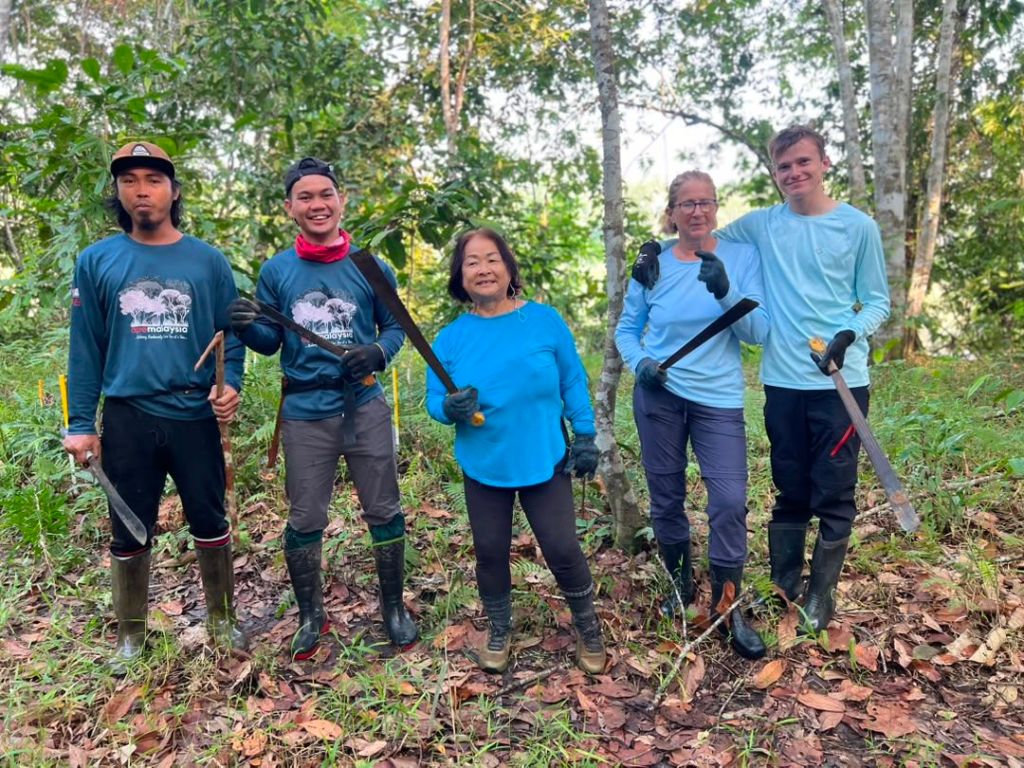
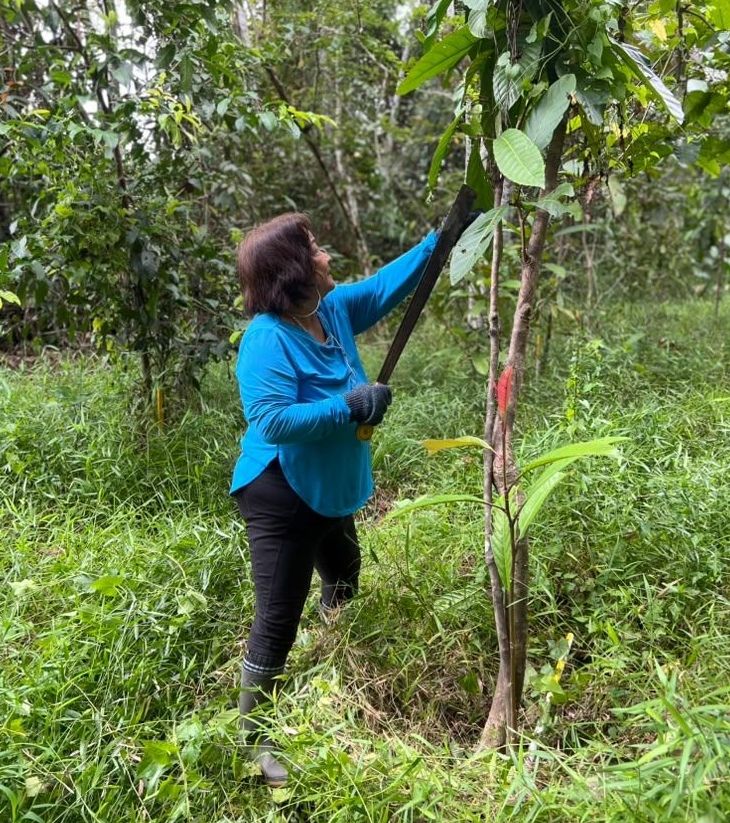
We prune the trees to keep them growing tall and we cut down encroaching plants that would halter the tree’s growth. These machetes are really sharp. It could be dangerous. I am trying not to chop my toes!
The weekend is here so we are going to the Gomantong caves. They are limestone caves where swiflet birds build their nests made out of their own saliva. Millions of bats live there as well along with cockroaches and long legged centipedes (who eat the cockroaches.) This cave is where they get bird’s nest soup from. The cave is tremendously large and the bottom is covered in mounds of poop (guano) from all the birds and bats.
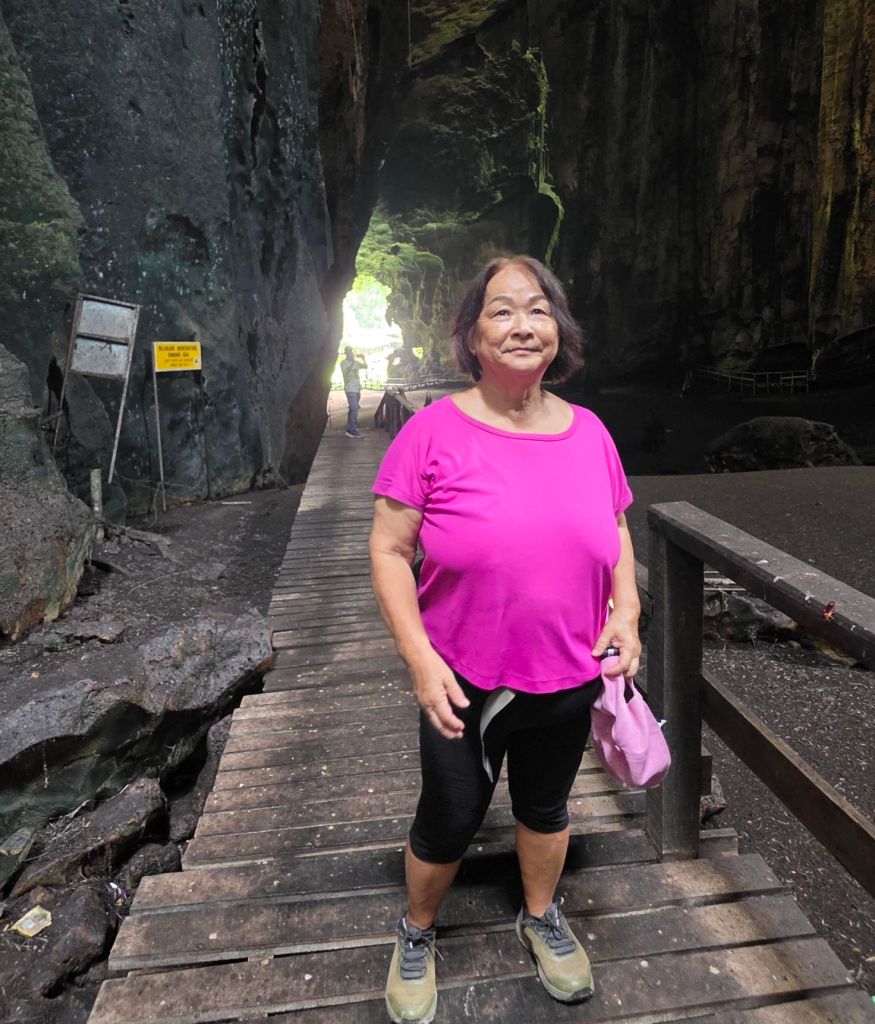
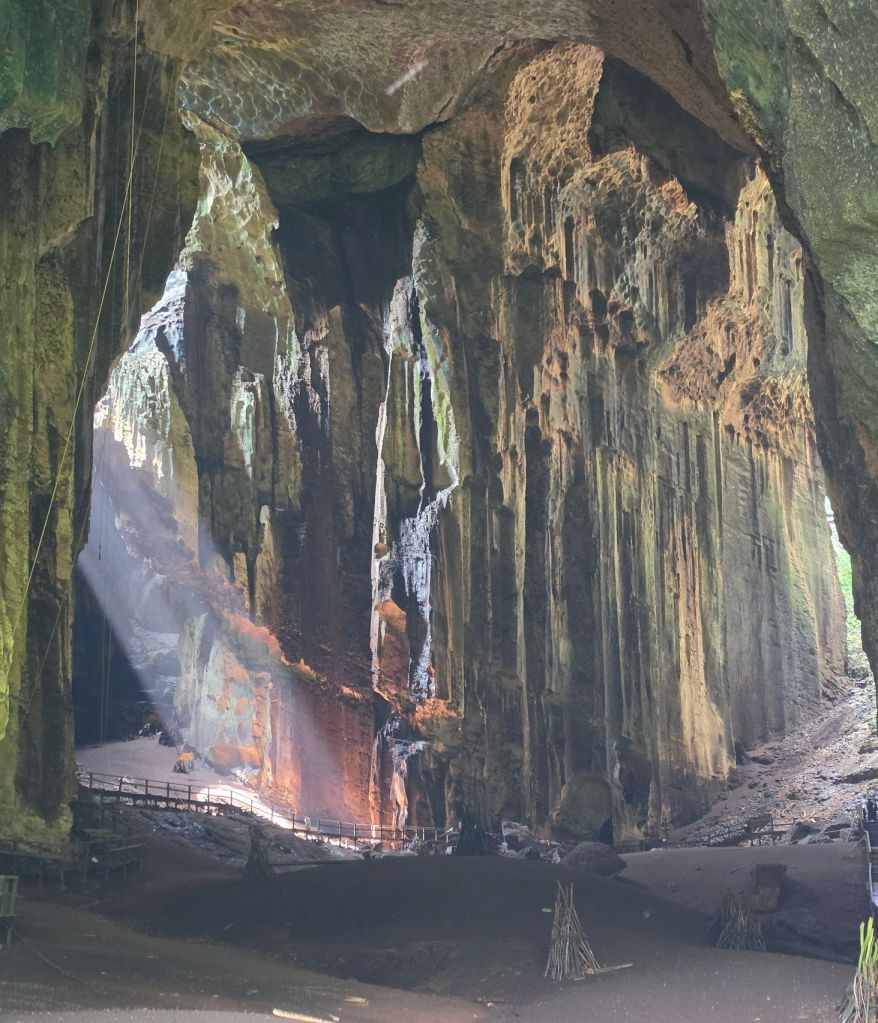
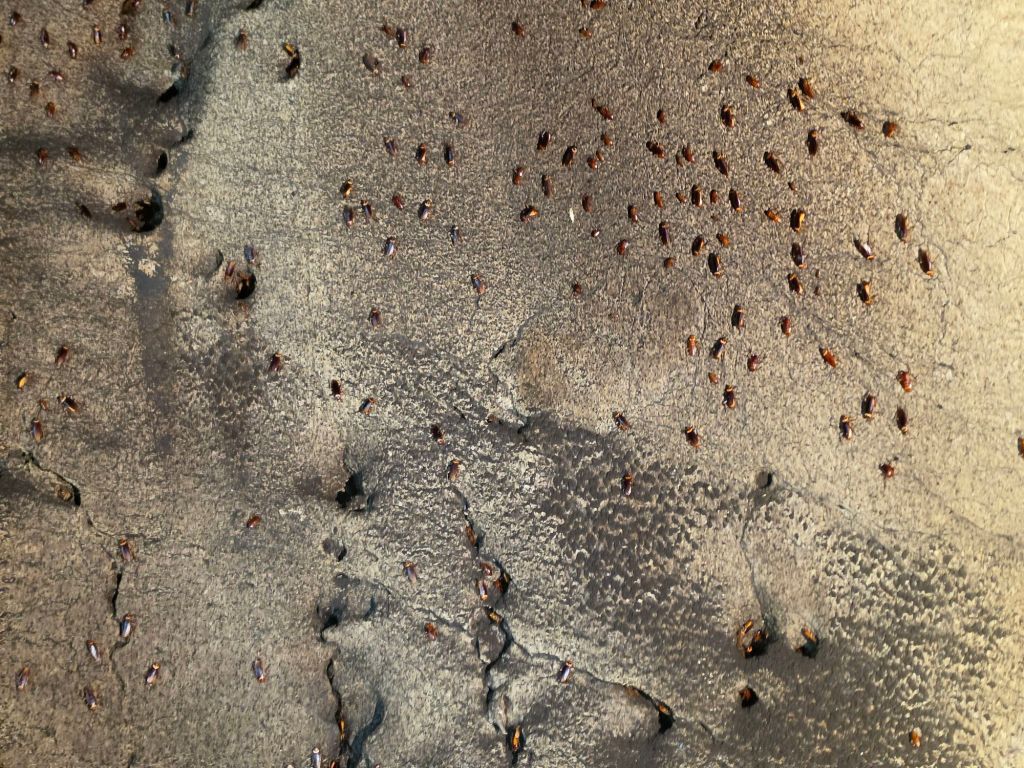
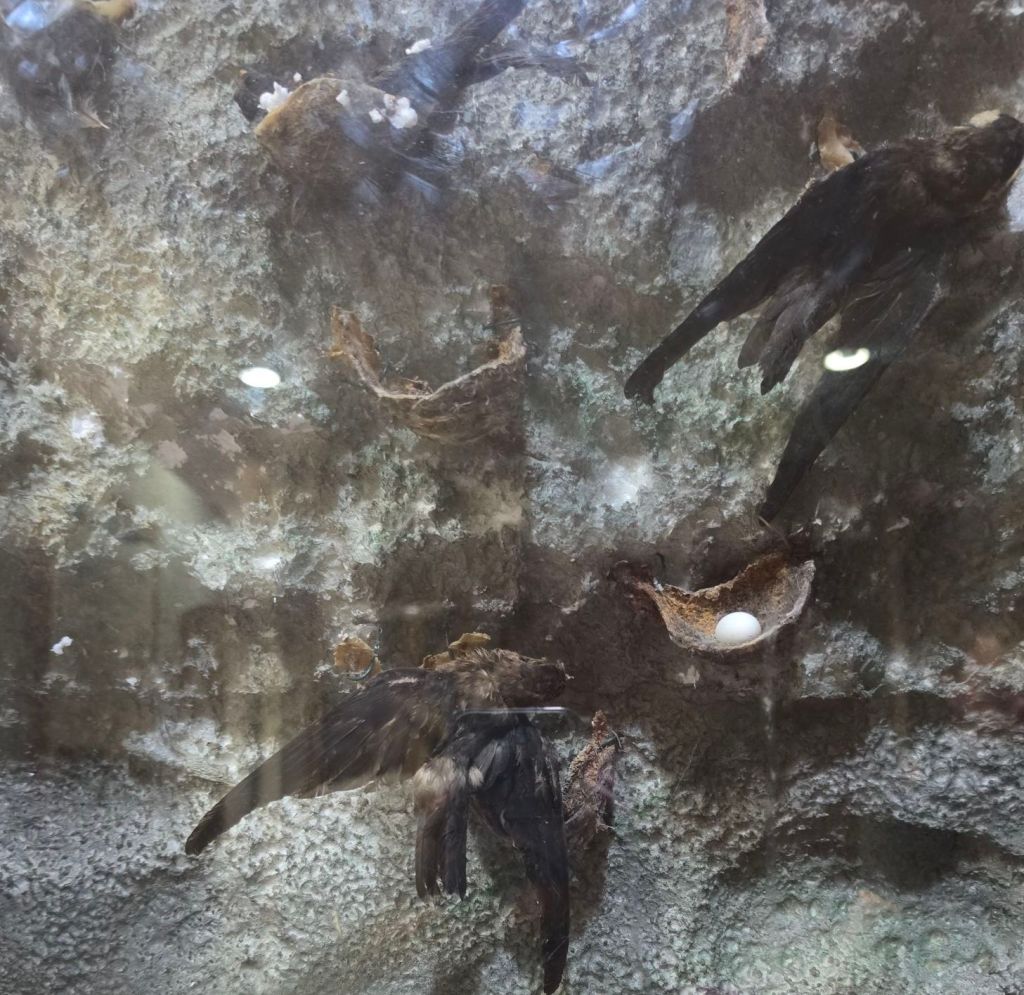
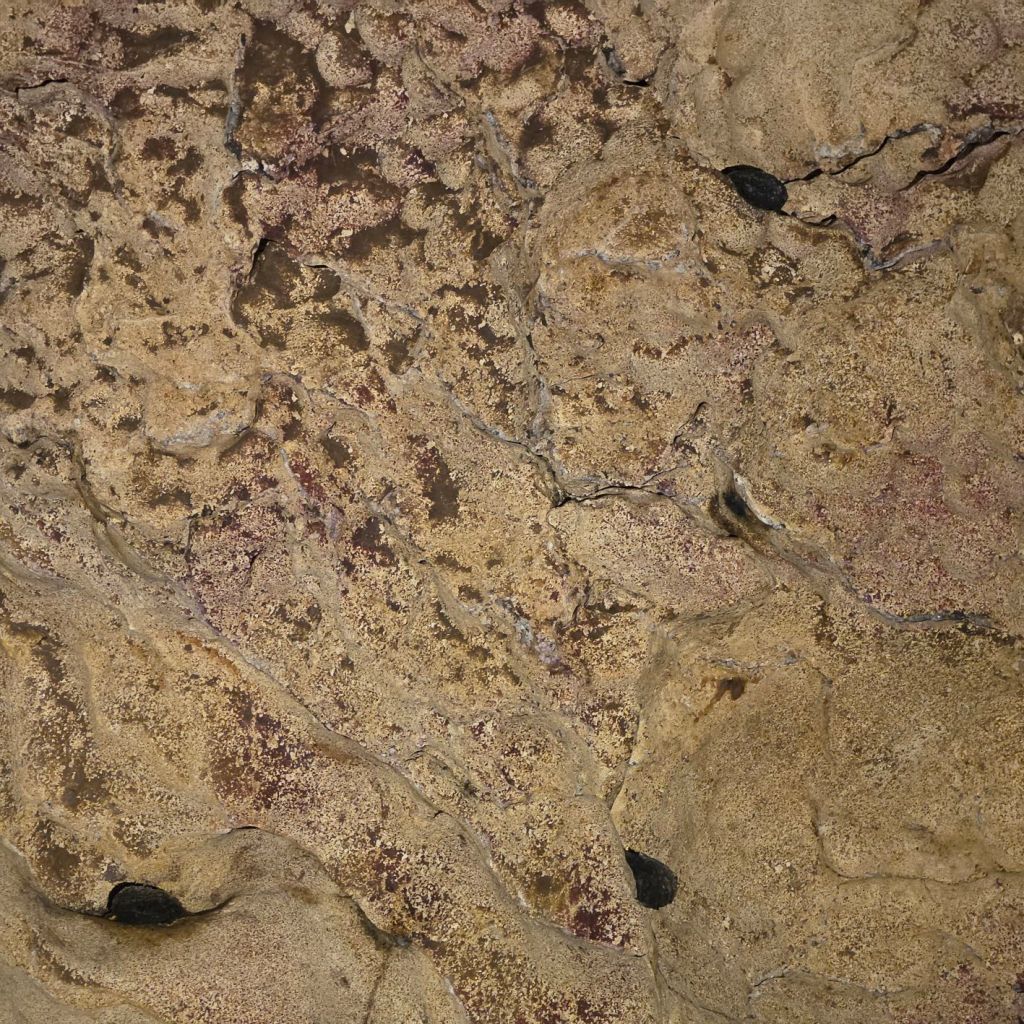
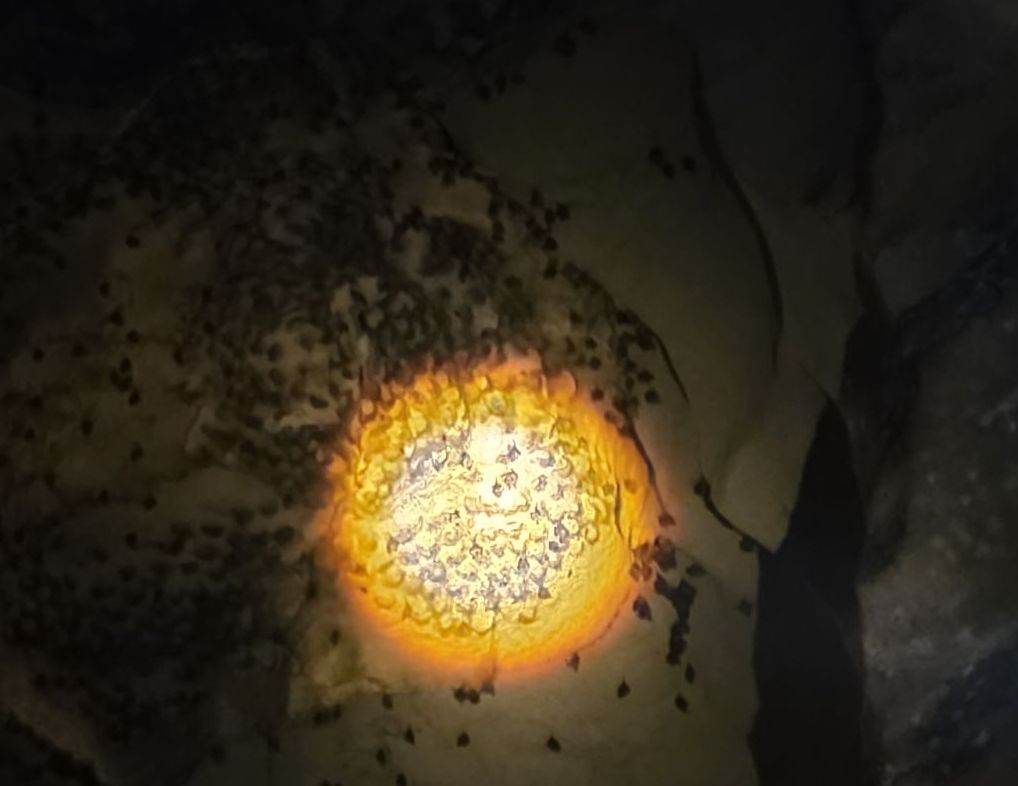
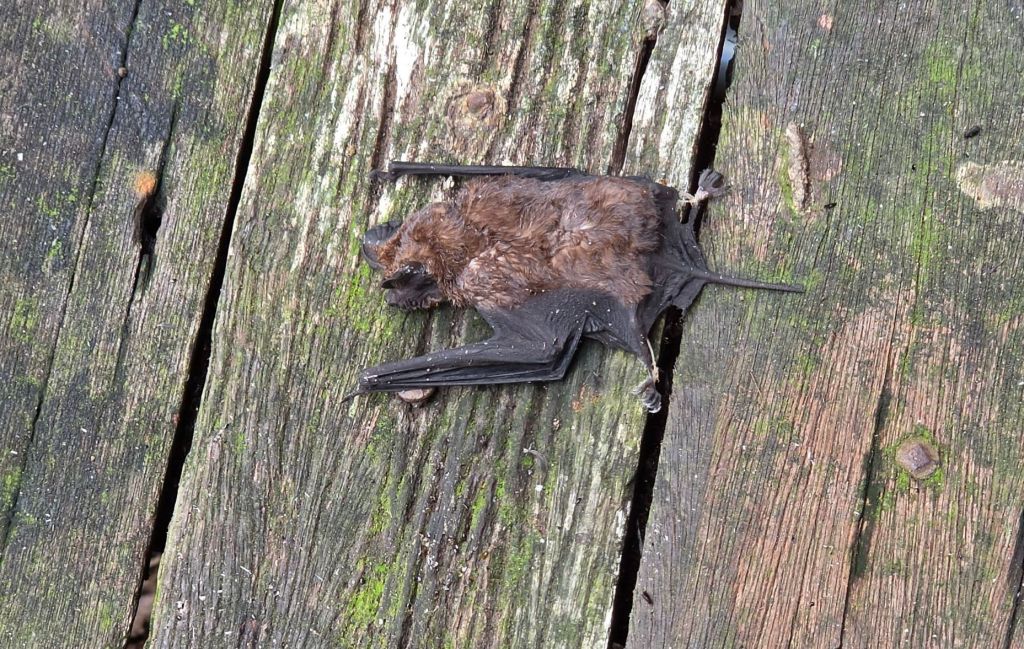
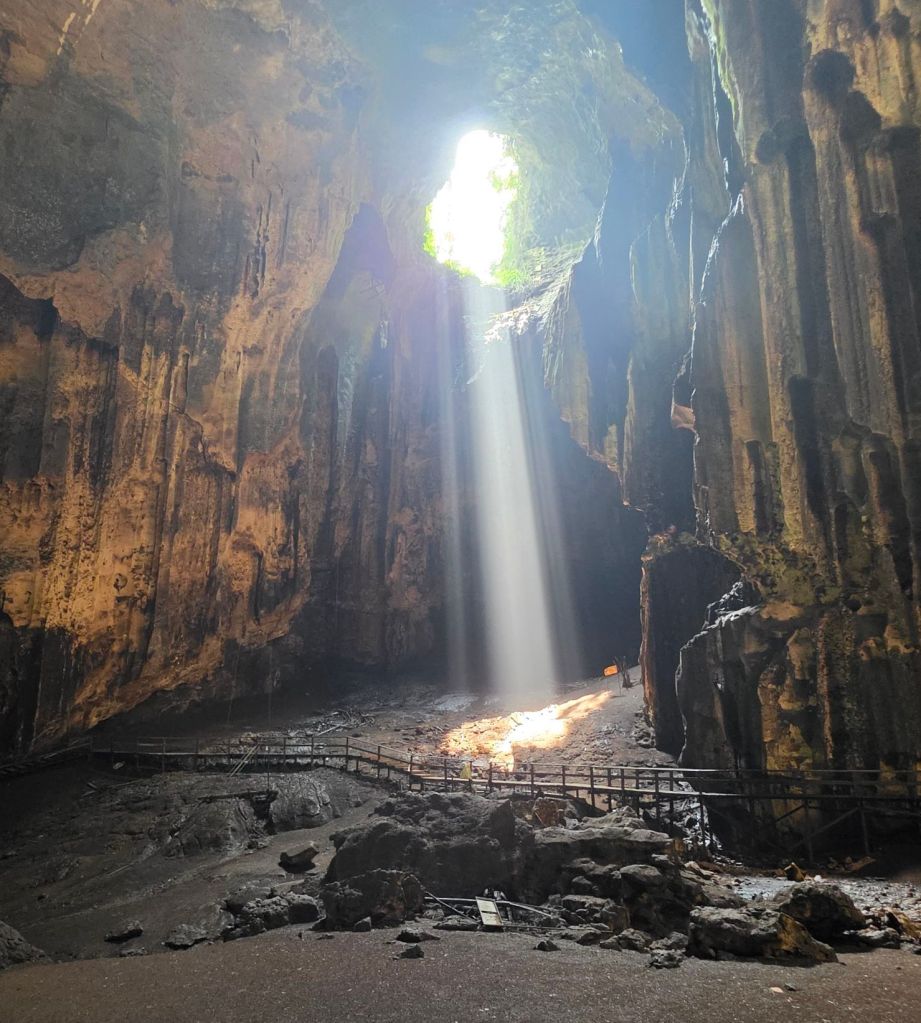
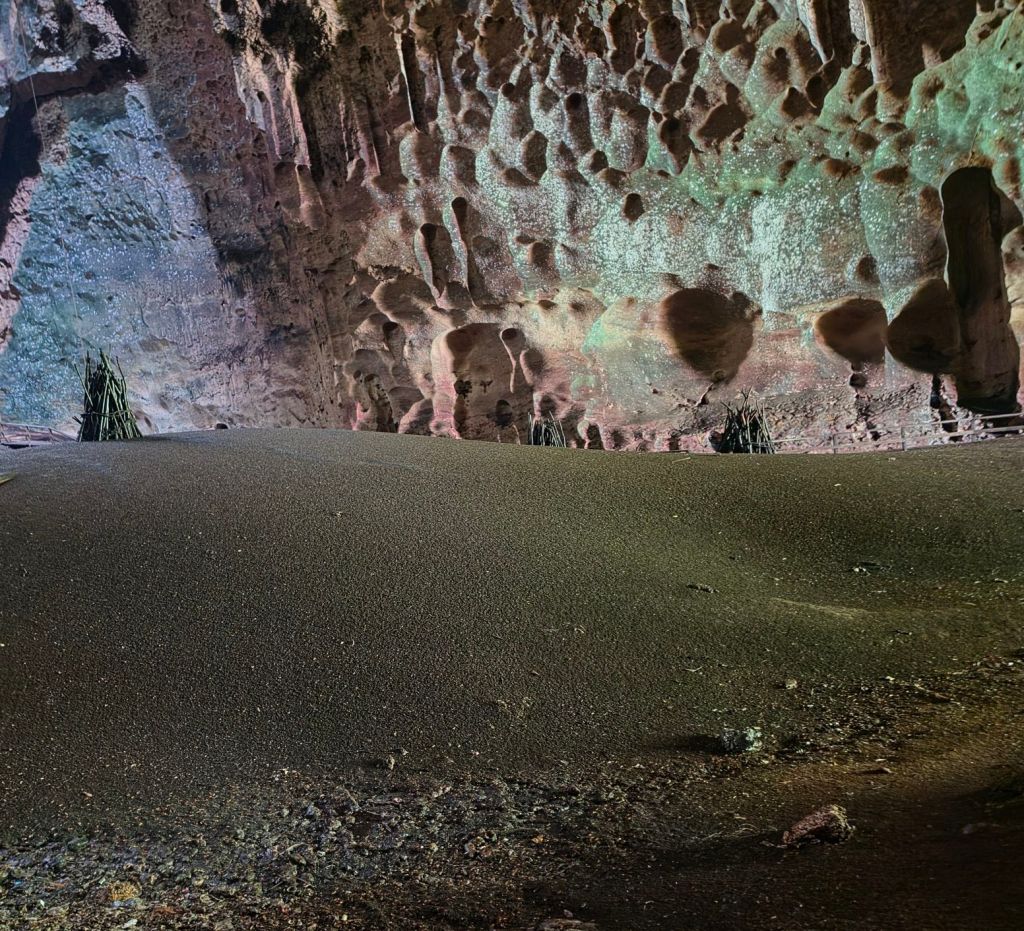
It smells horrible and you must be careful not to slip or fall. Those that have the unique opportunity to work in this cave to retrieve the nest after the eggs have hatched must be strong, agile and trained to know how to do this specialized task. They also must have a tolerence for the smell. Bird nest soup is a Chinese delicacy and fetches a very high price. The Malaysian government has it regulated and does it in a sustainable way. They only retrieve nests 2 seasons a year. Later on our walk we passed by some buildings that are built for swiflets to nest in.
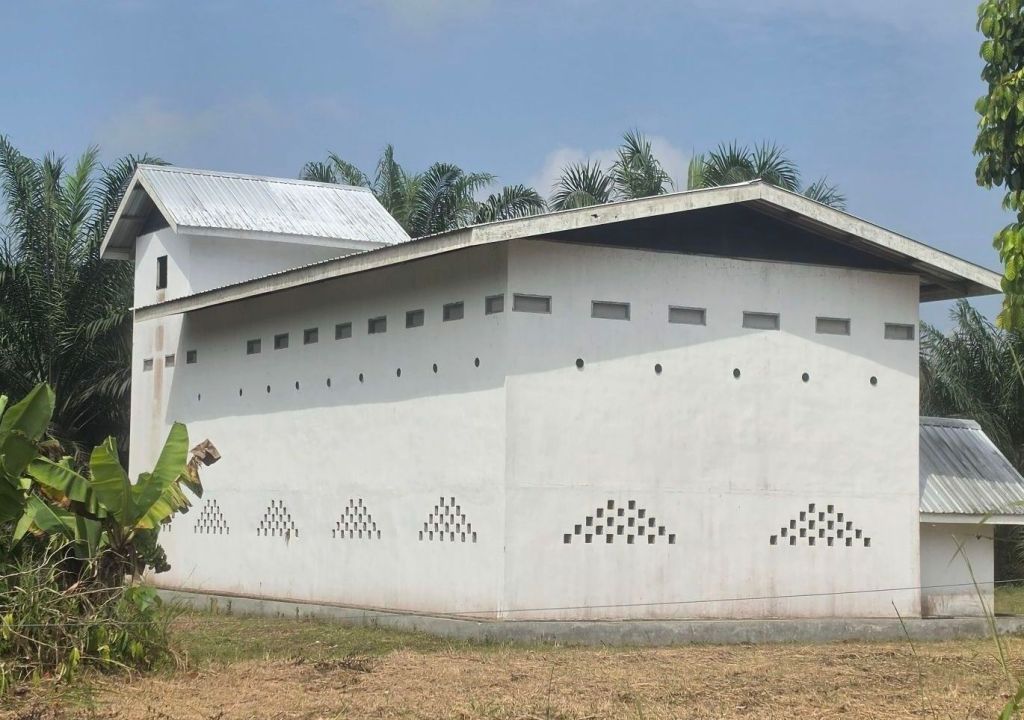
They reproduce the cave environment and if done correctly the swiflets will nest there. The owners collect and sell the birds’ nests. This is all government run so they must follow strict procedures and rules. If done well, it can be a win win situation for all involved. Well for us, we’ve not eaten birds nest soup, but other local delicacies.
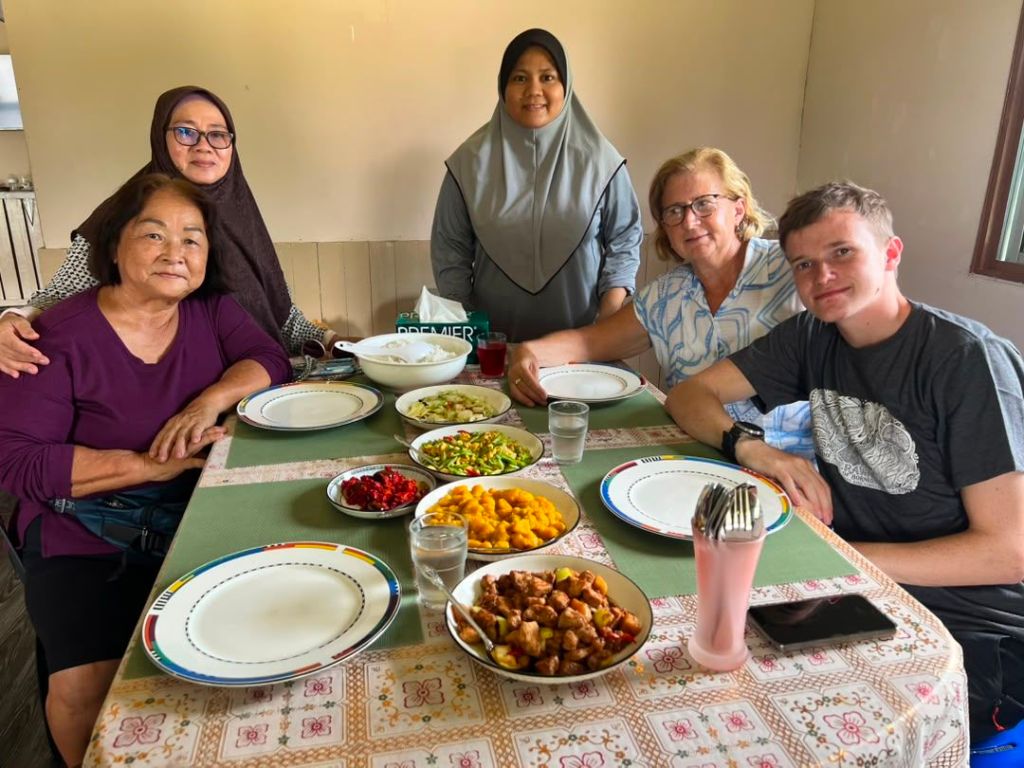
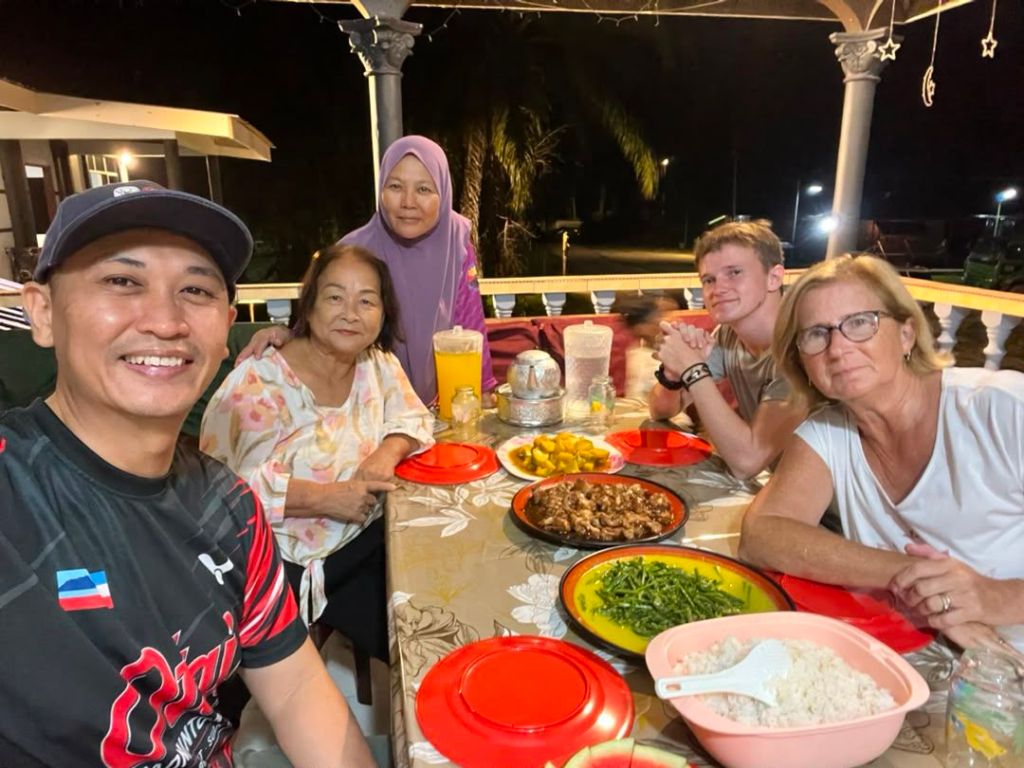
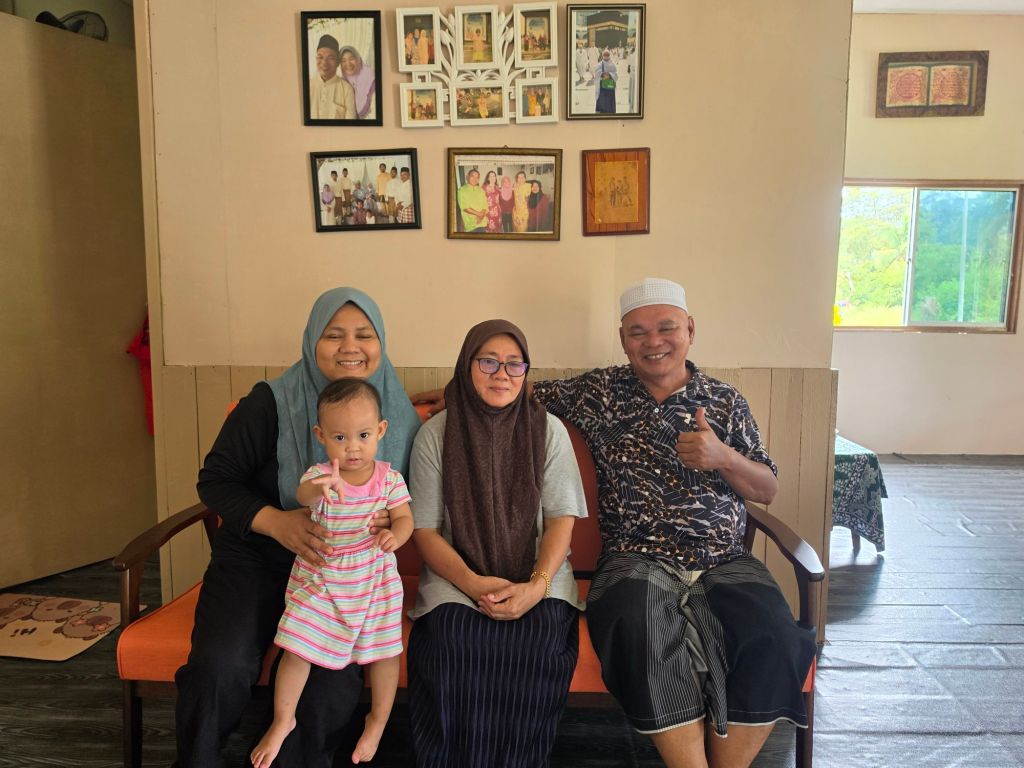
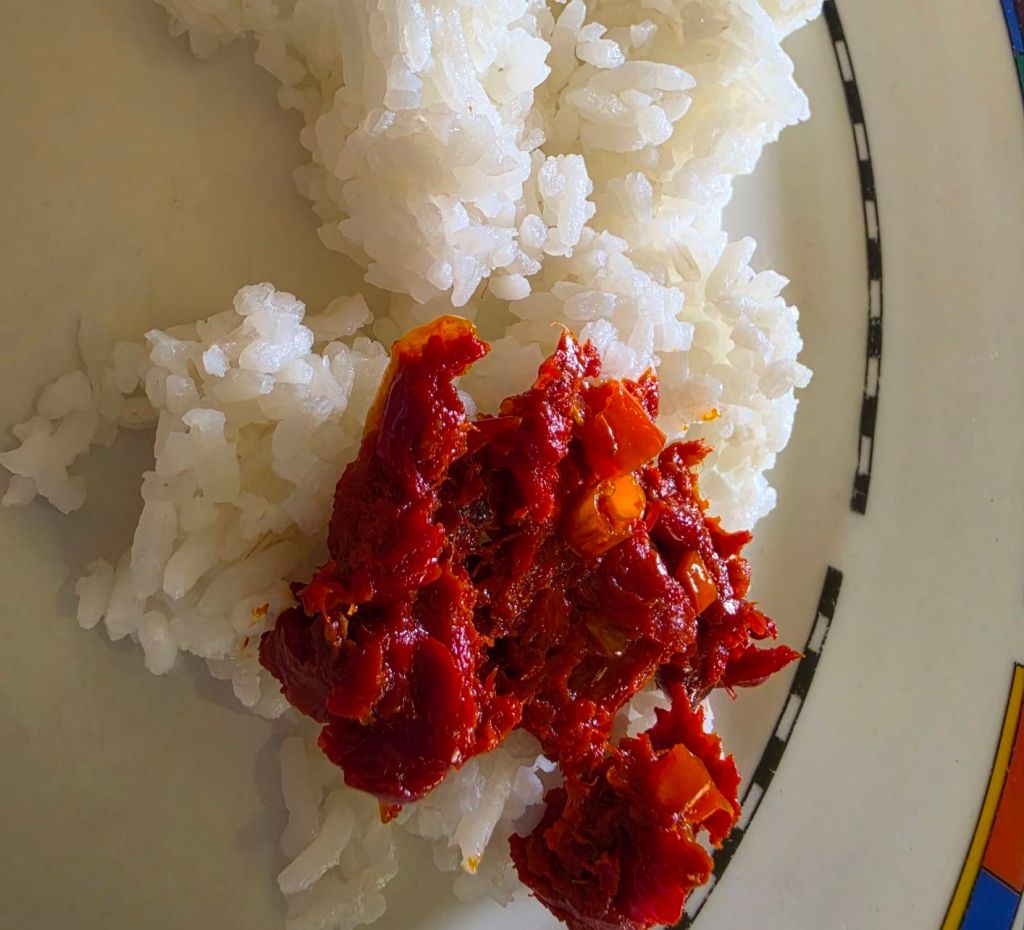
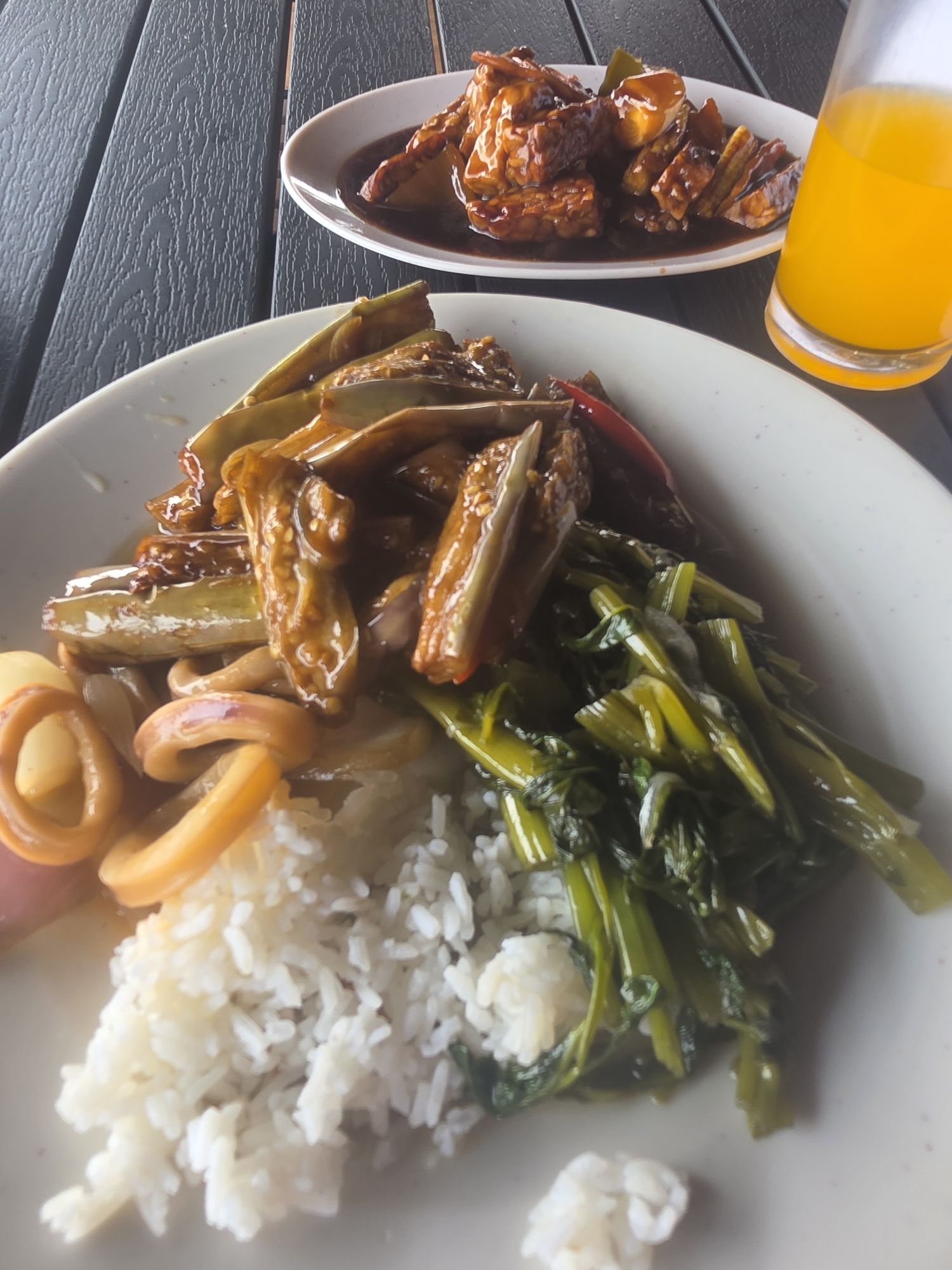
Eating at local houses has been wonderful. The food is tasty, delicious and prepared with love.
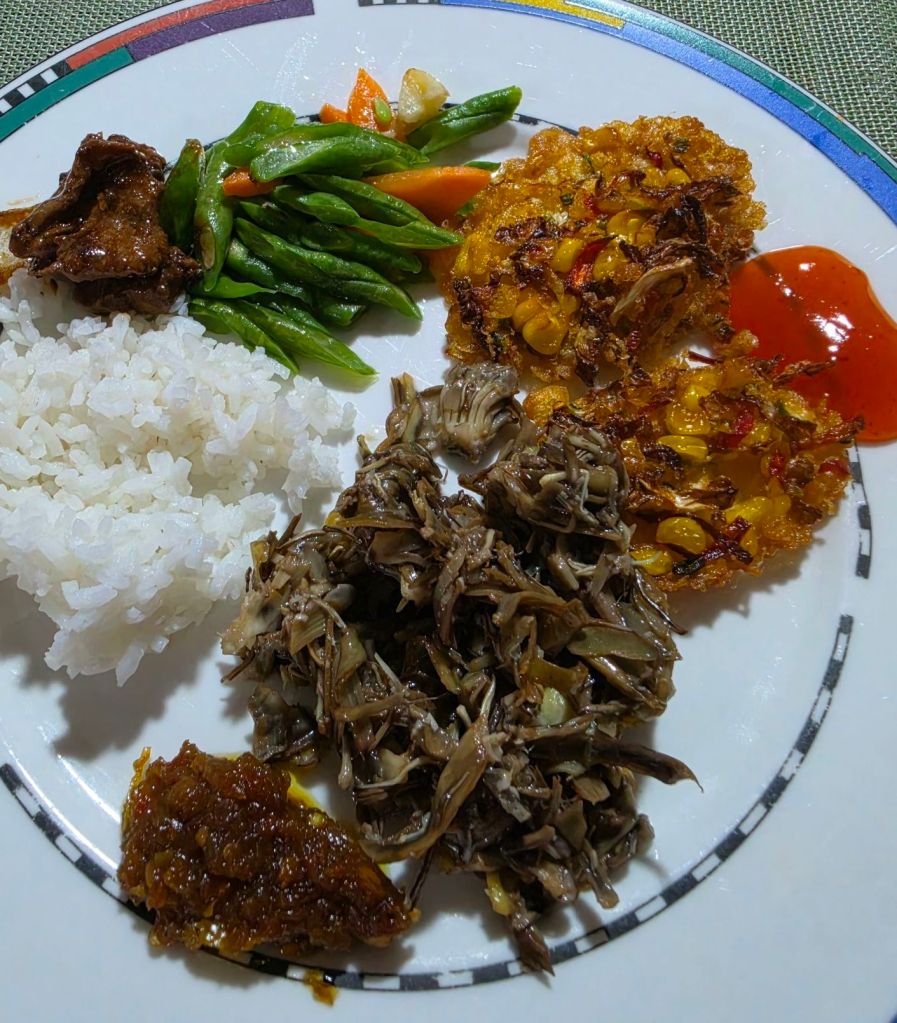
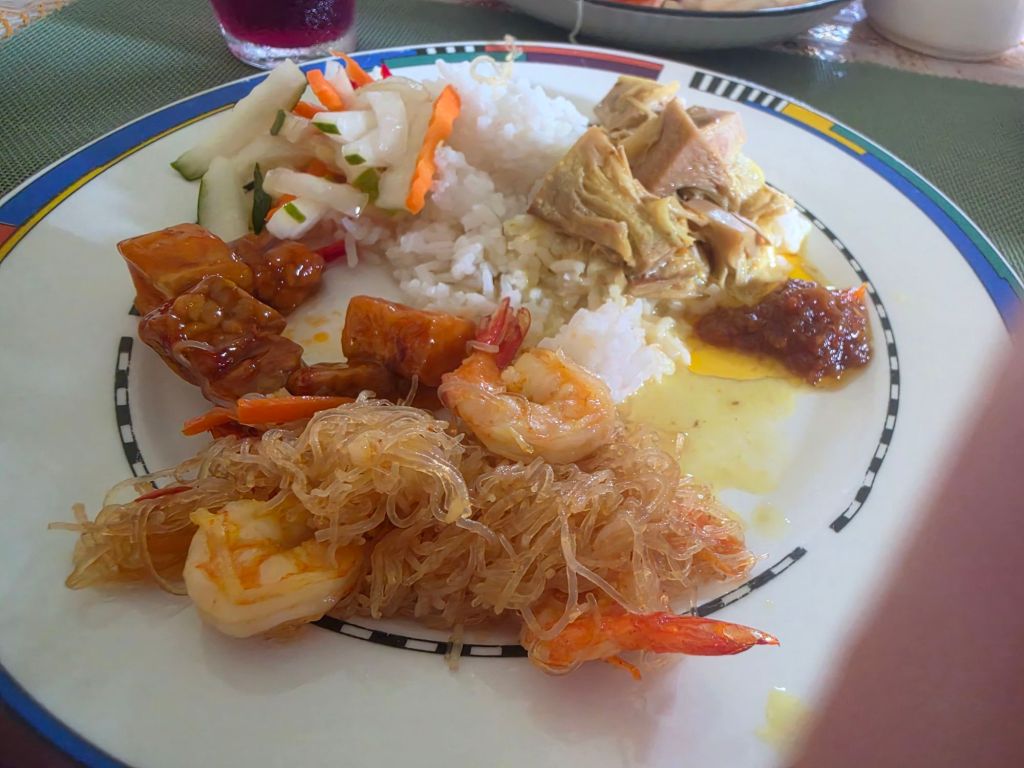
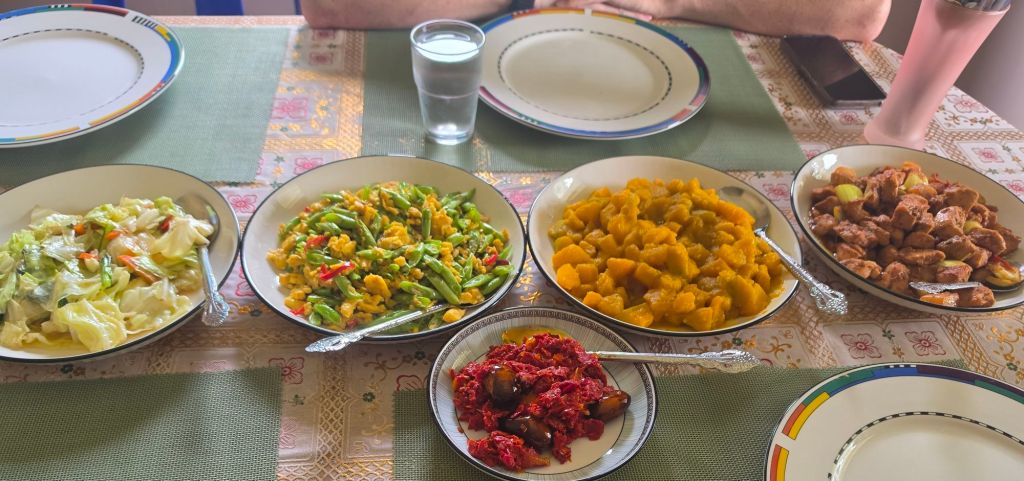
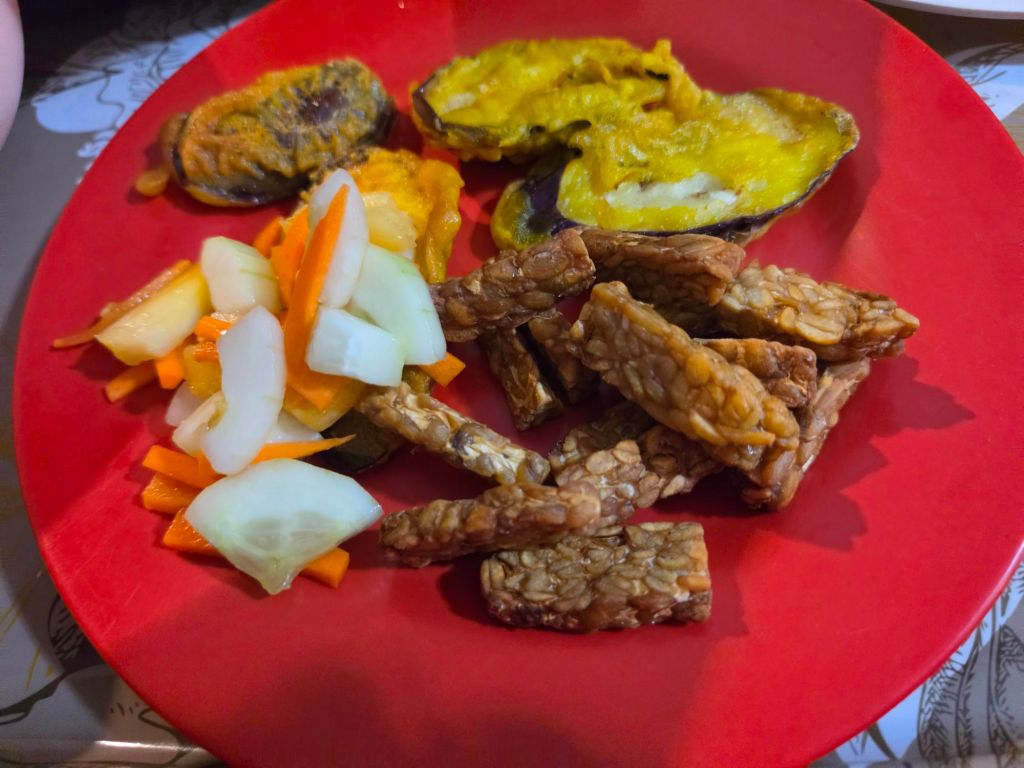
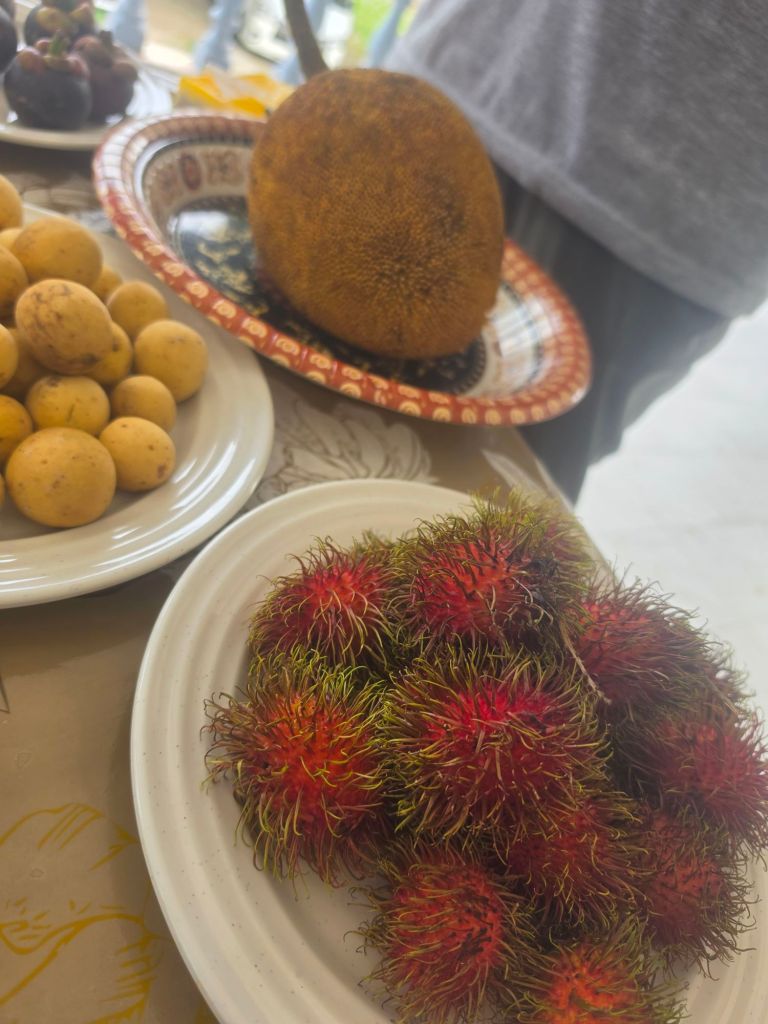
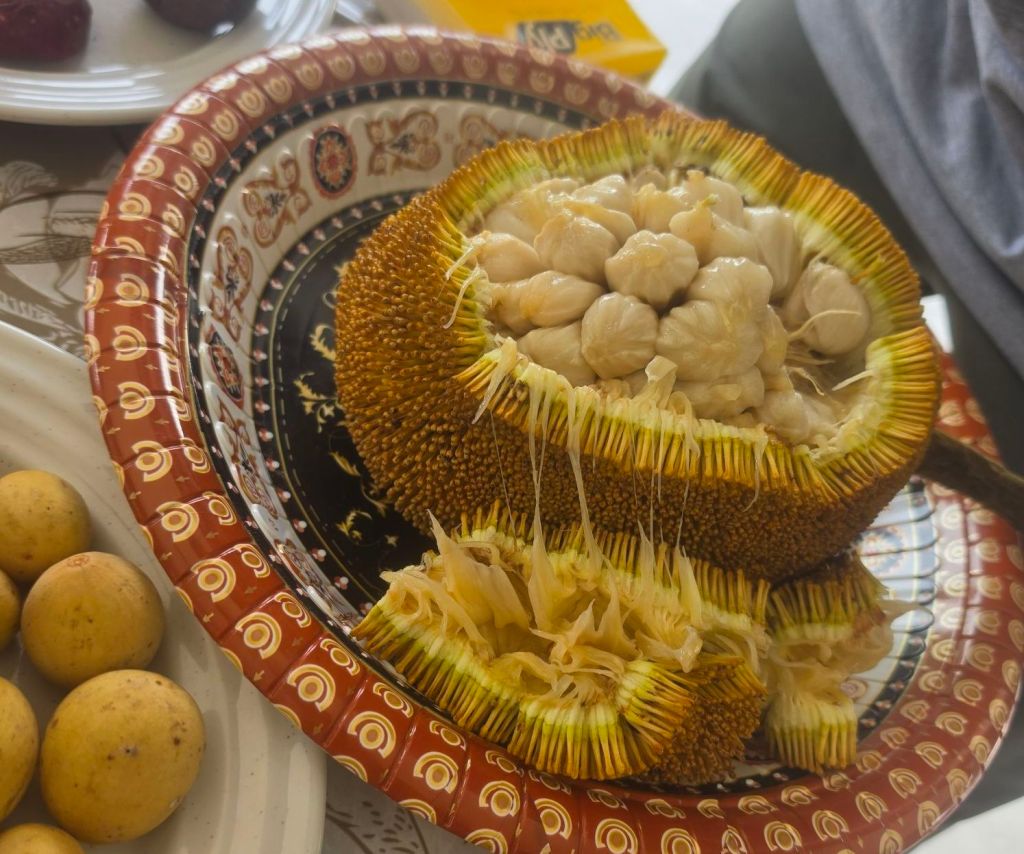
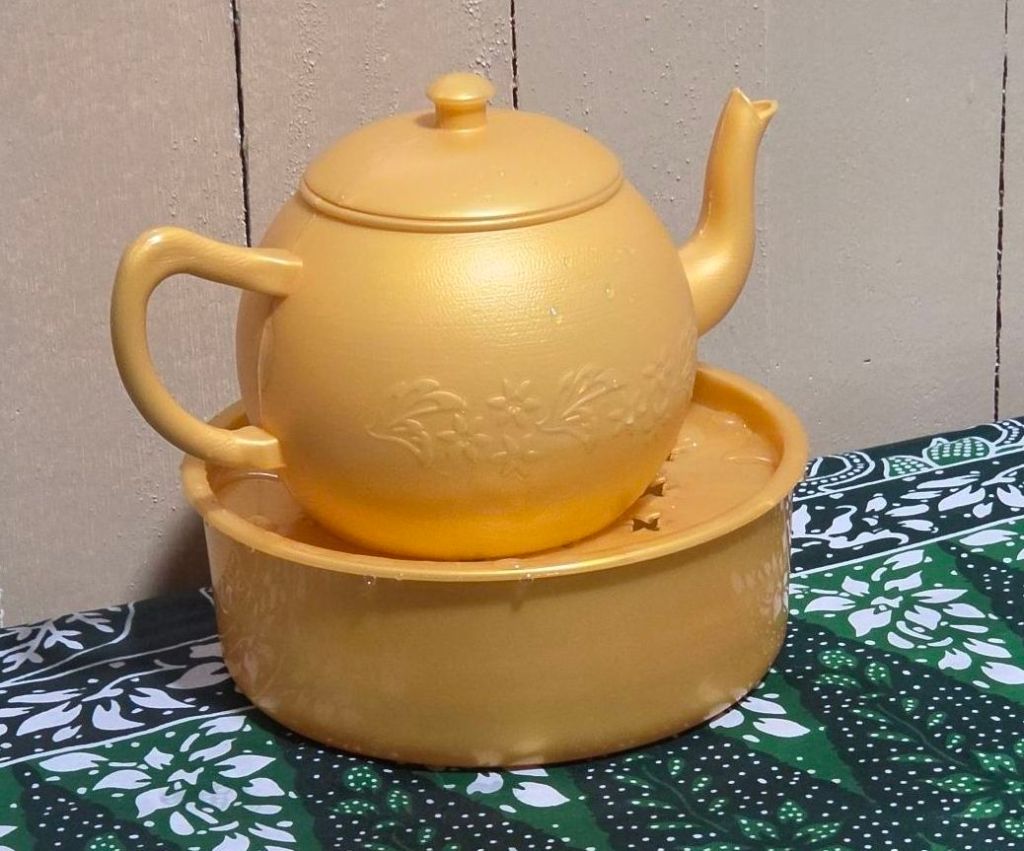
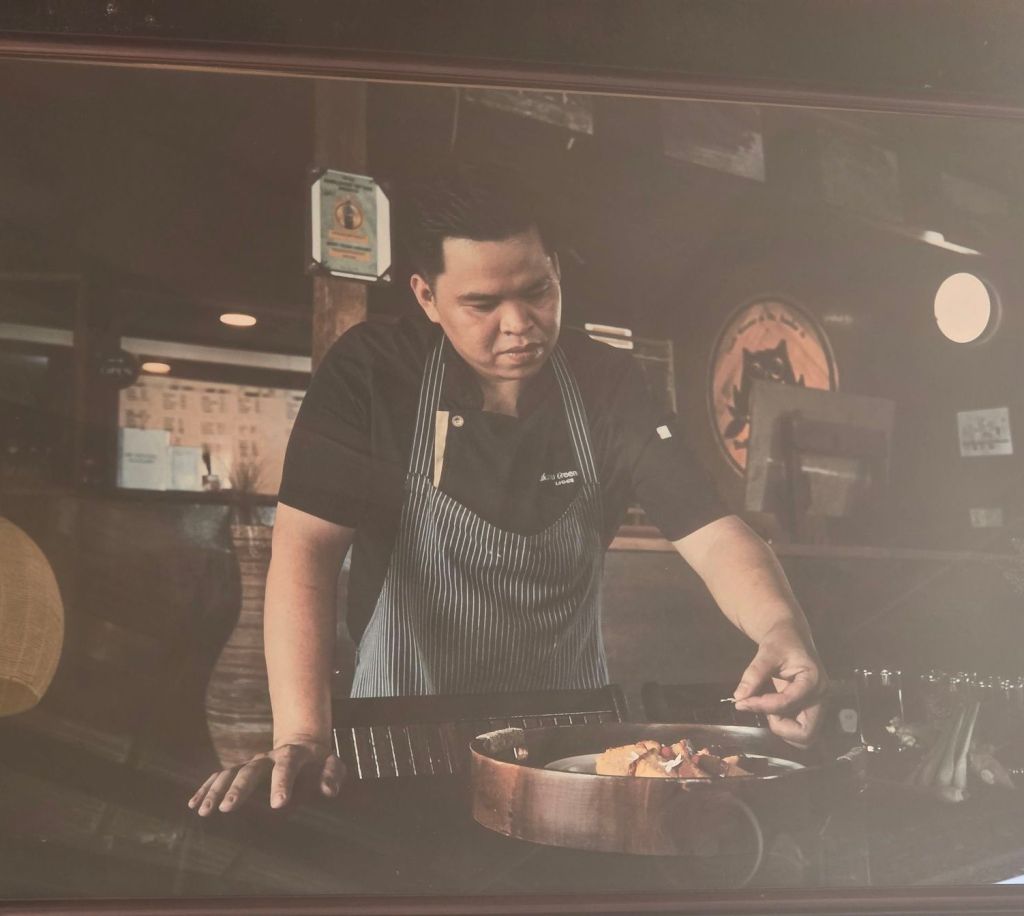
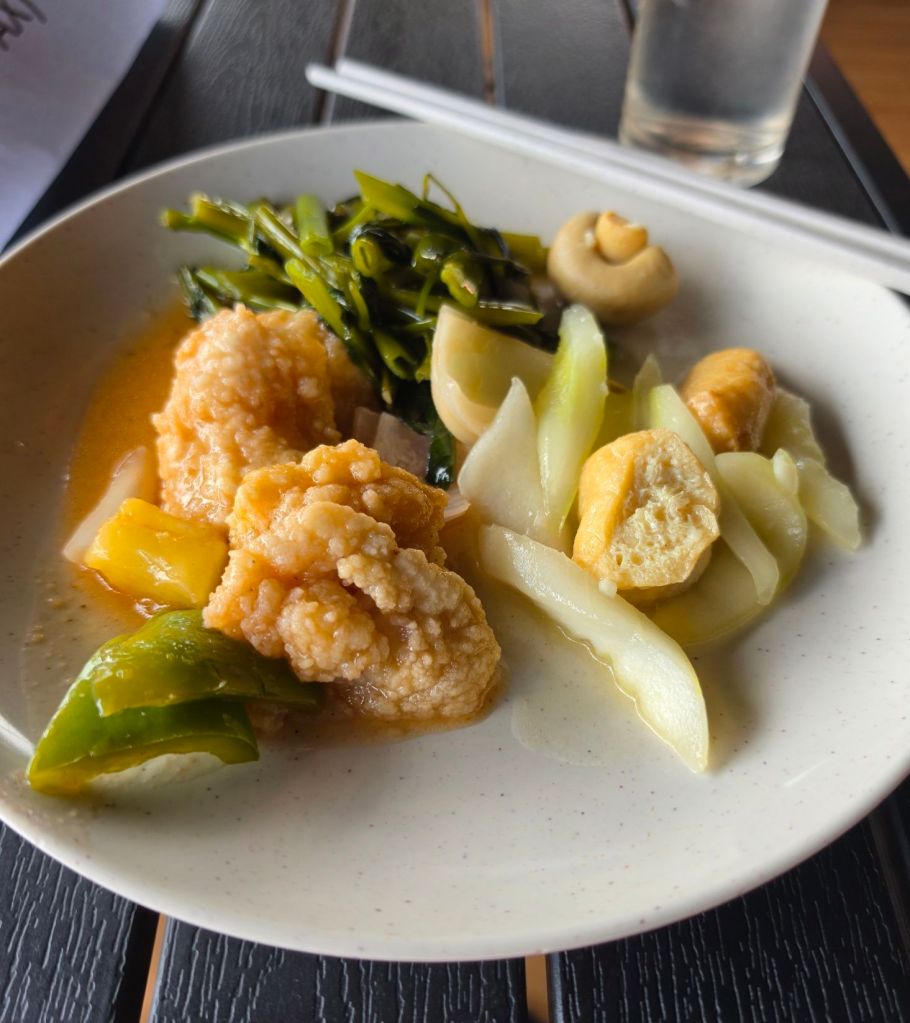
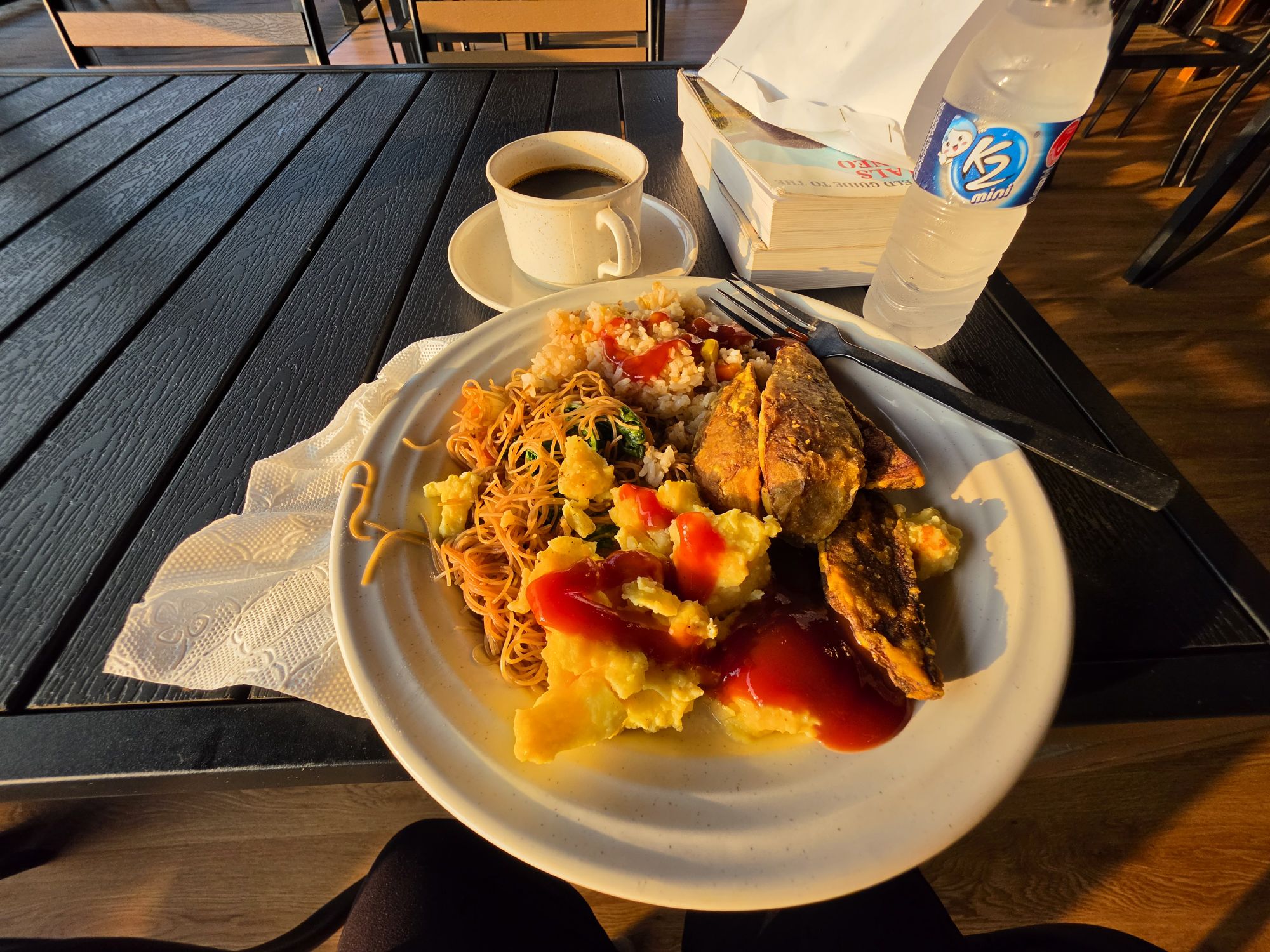
When not eating at local houses we eat cafeteria style in the Greenview Lodge. The food is prepared by a Hilton trained chief and the food is delicious. He said he leans towards more a Chinese style of cooking. Lots of sweet and sour and teriyaki sauce. There is always rice, bokchoy and cabbage.
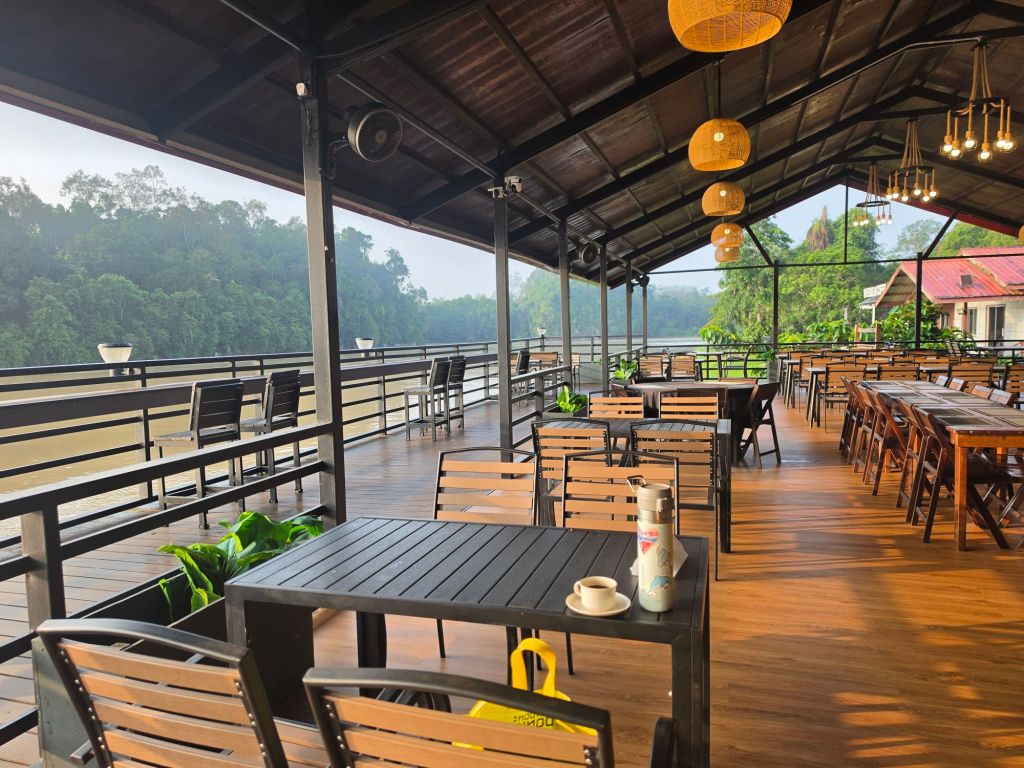
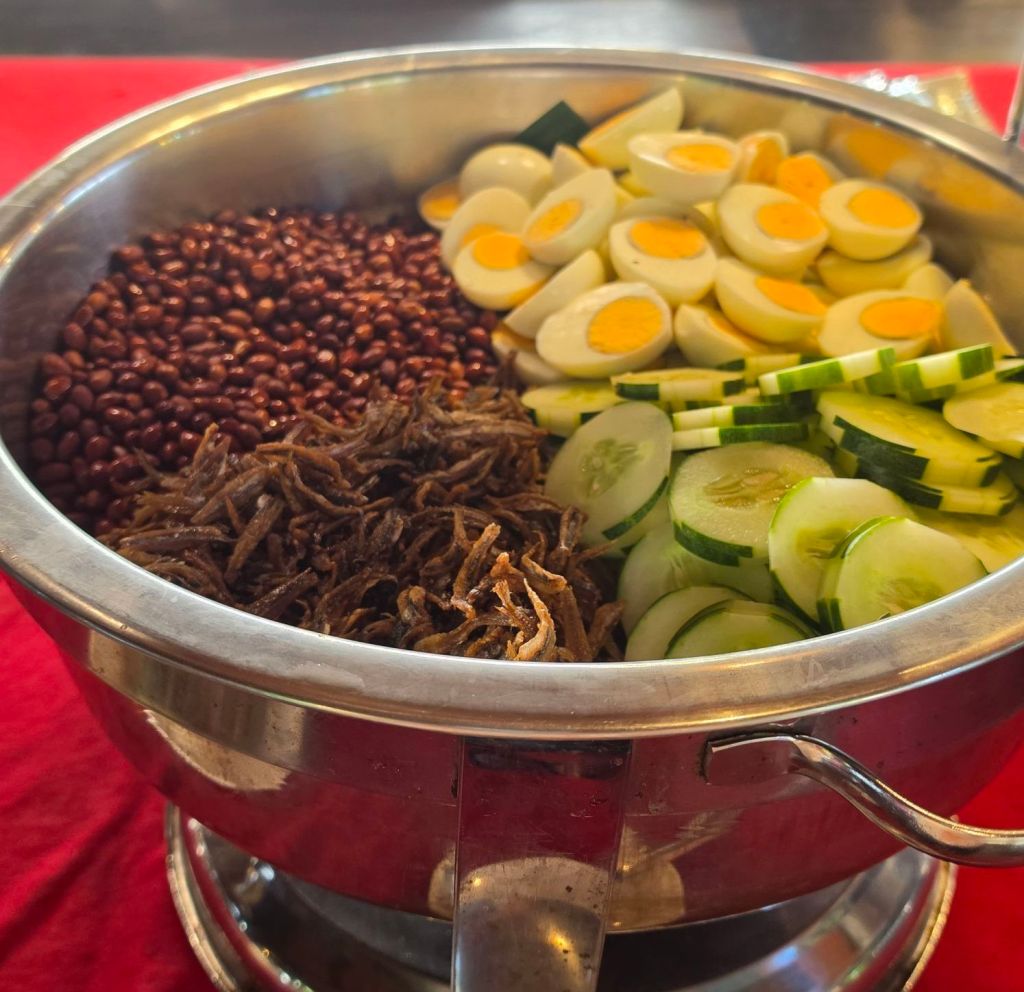
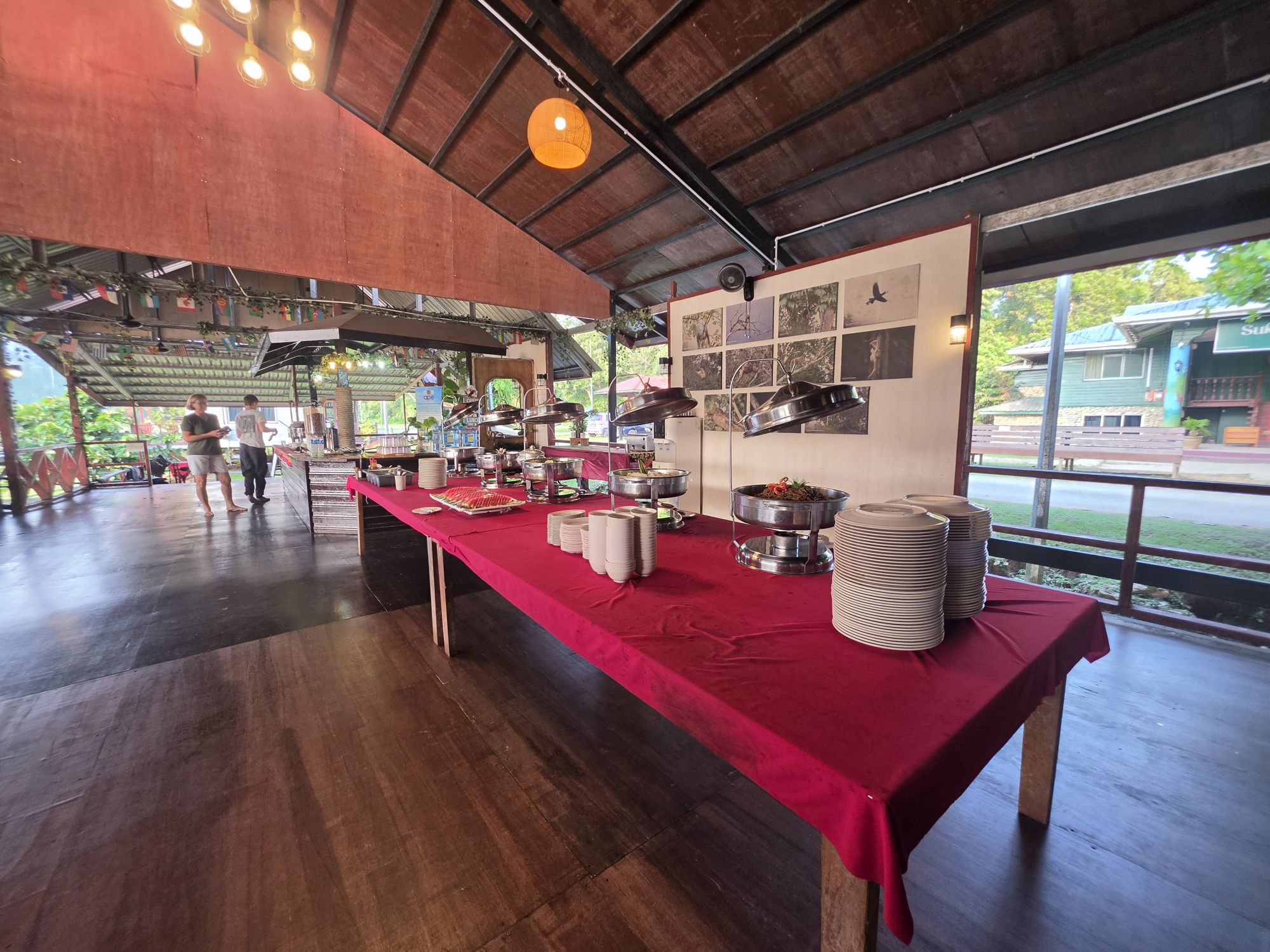
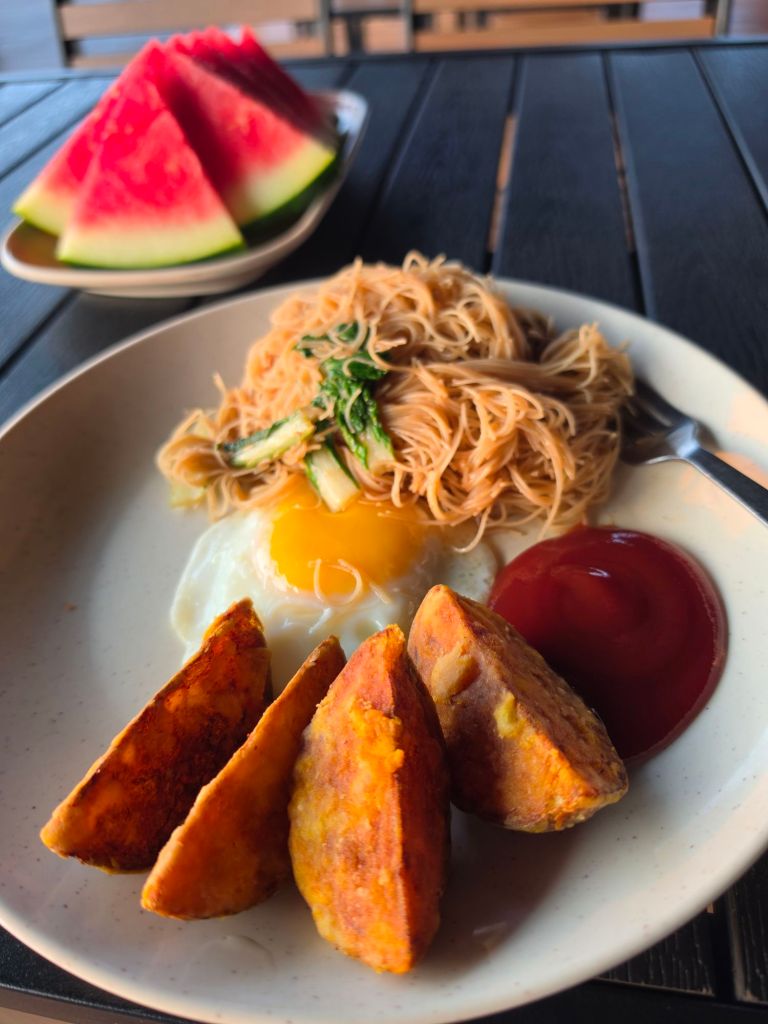
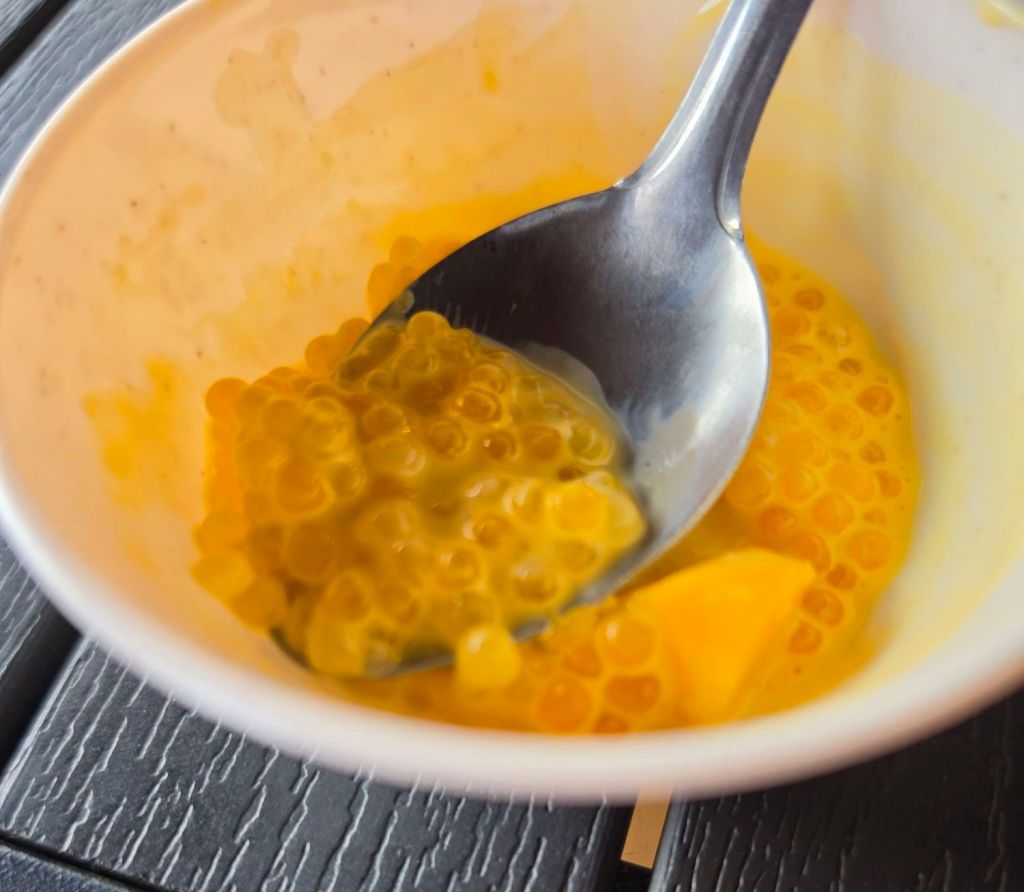
There is always a wonderful pound cake made out of local fruits and a tapioca like dish made from the sago plant root (like tapioca) They use alot of coconut milk and turmeric in their cooking. Really quite delicious.
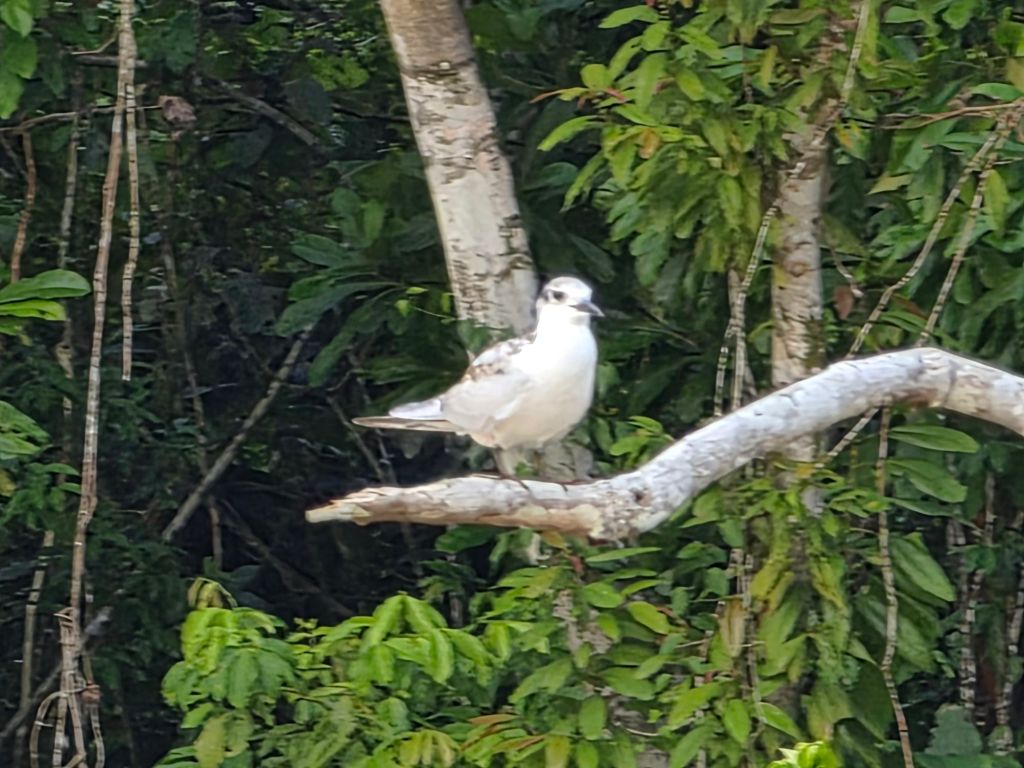
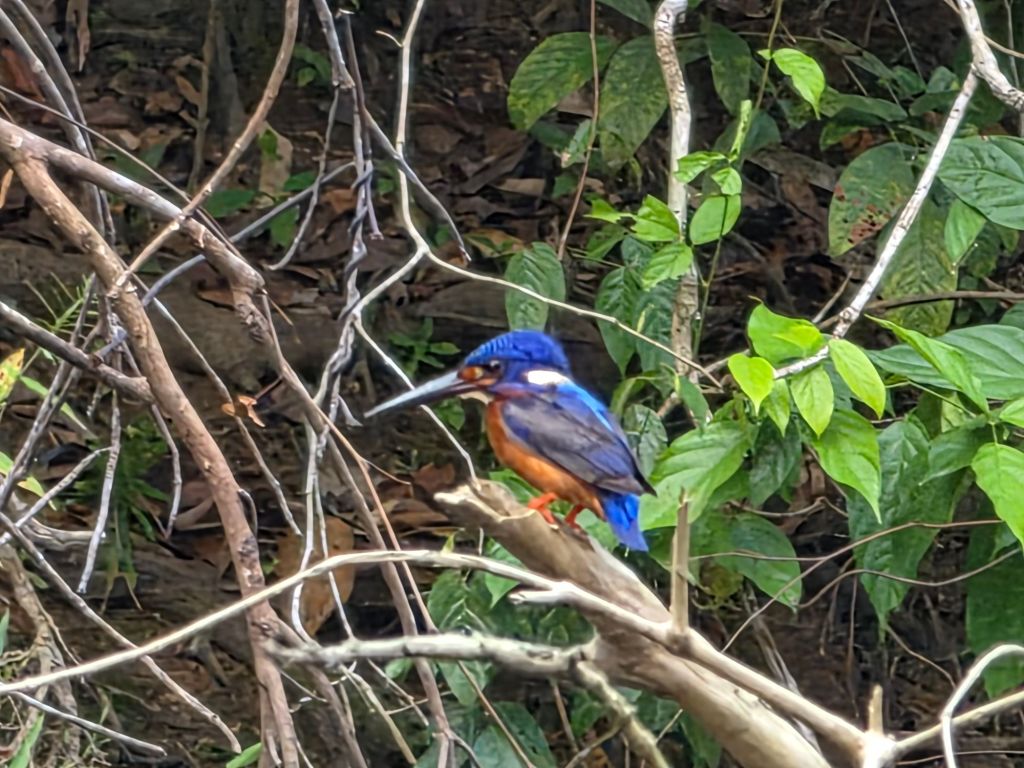
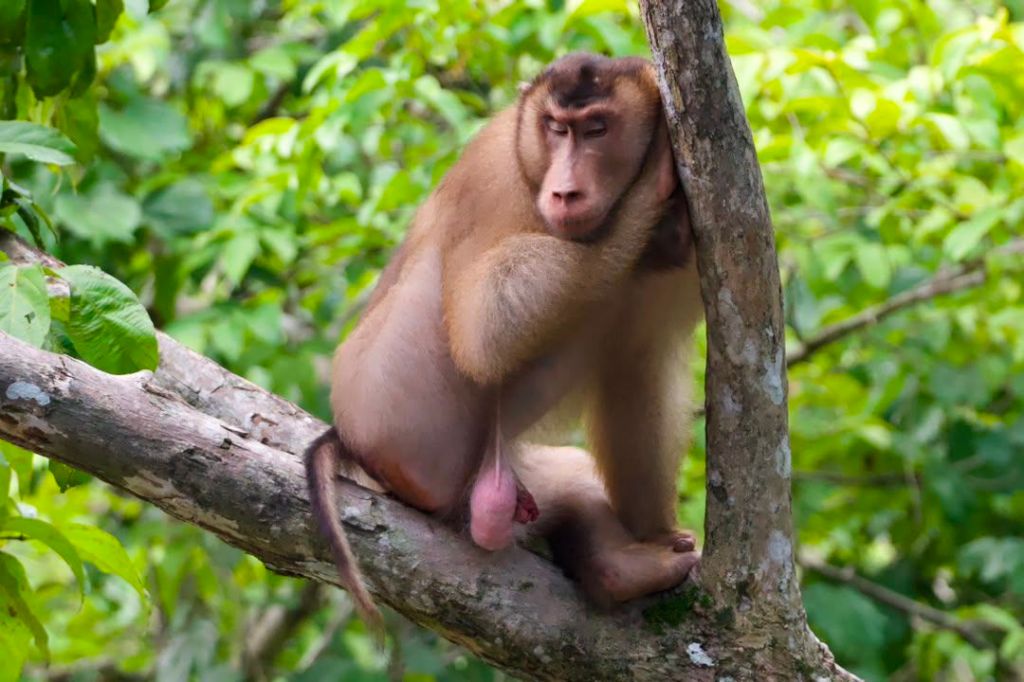
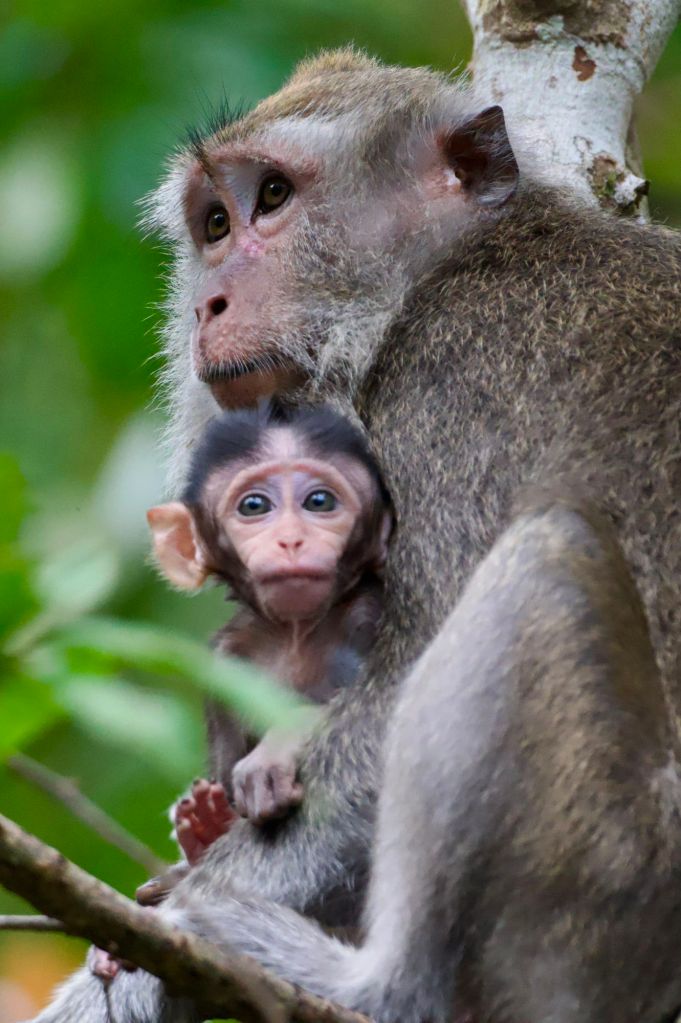
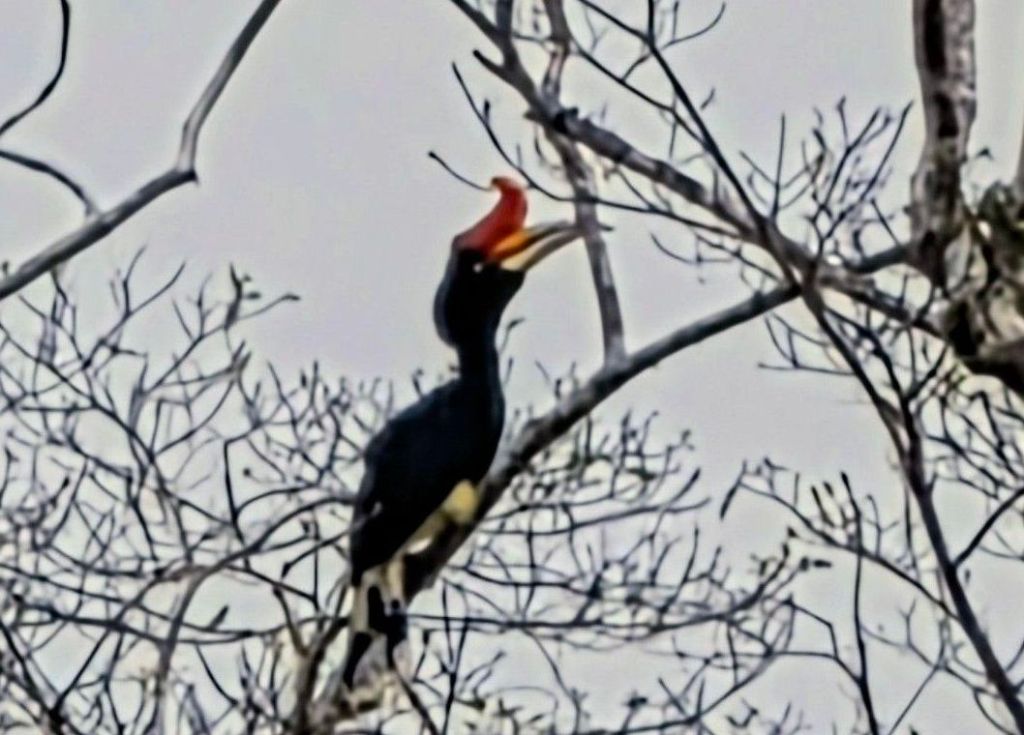
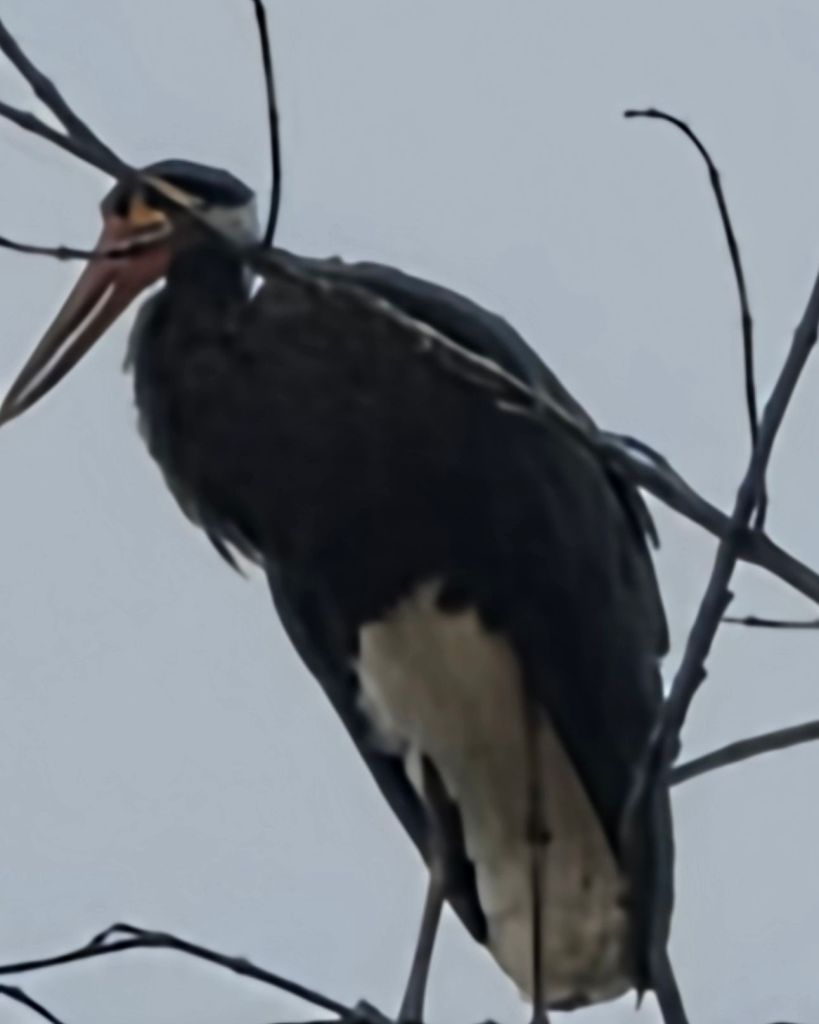
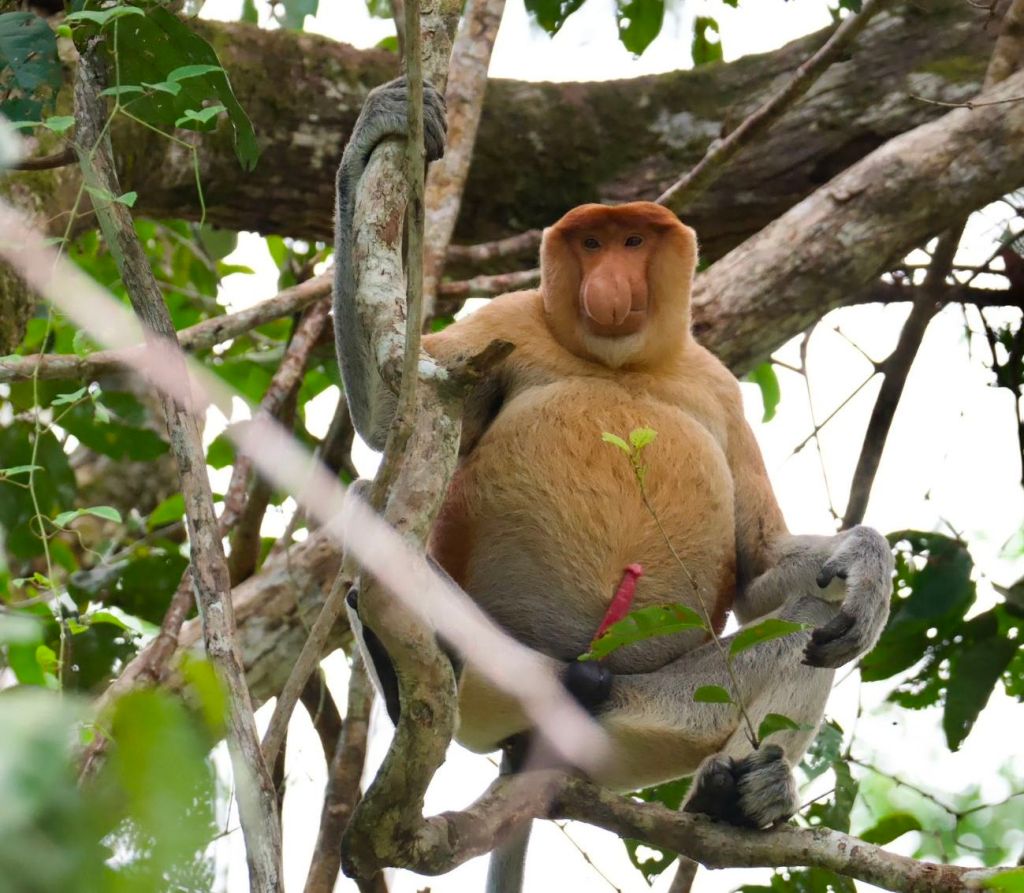
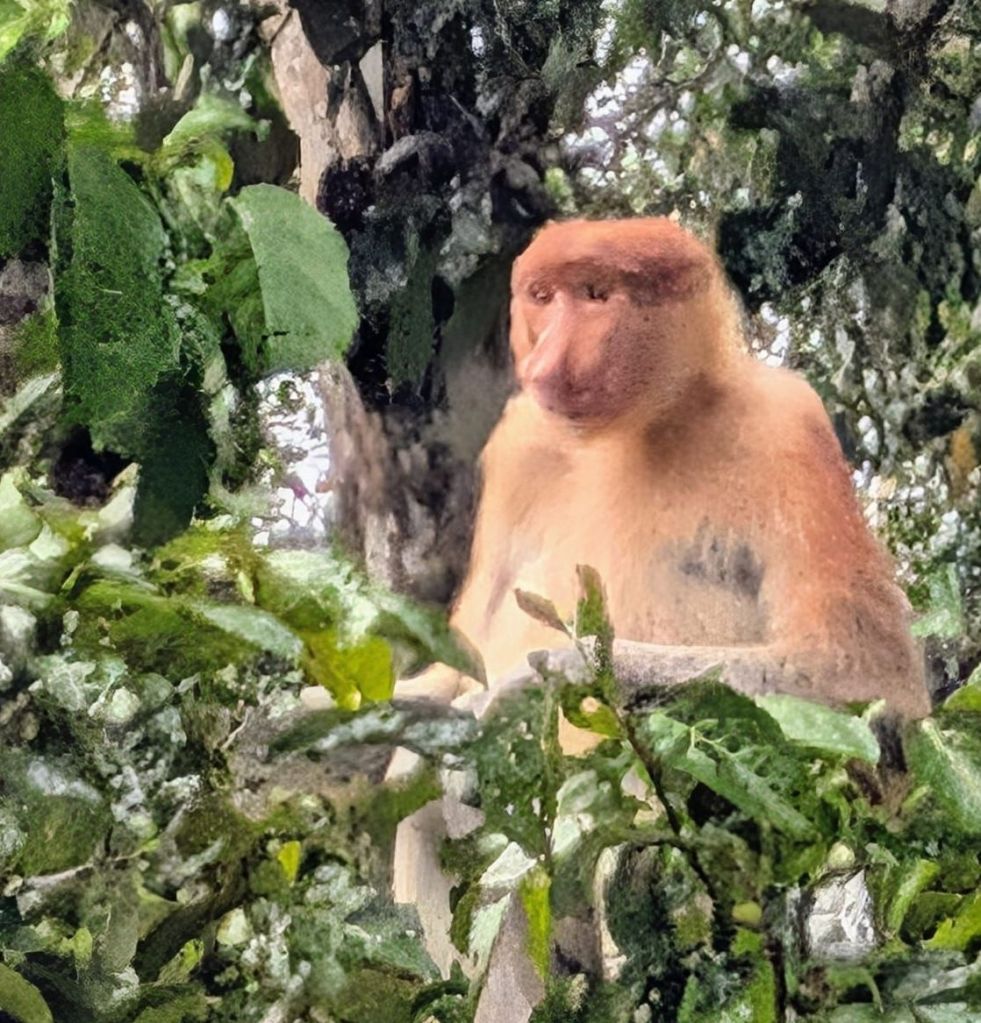
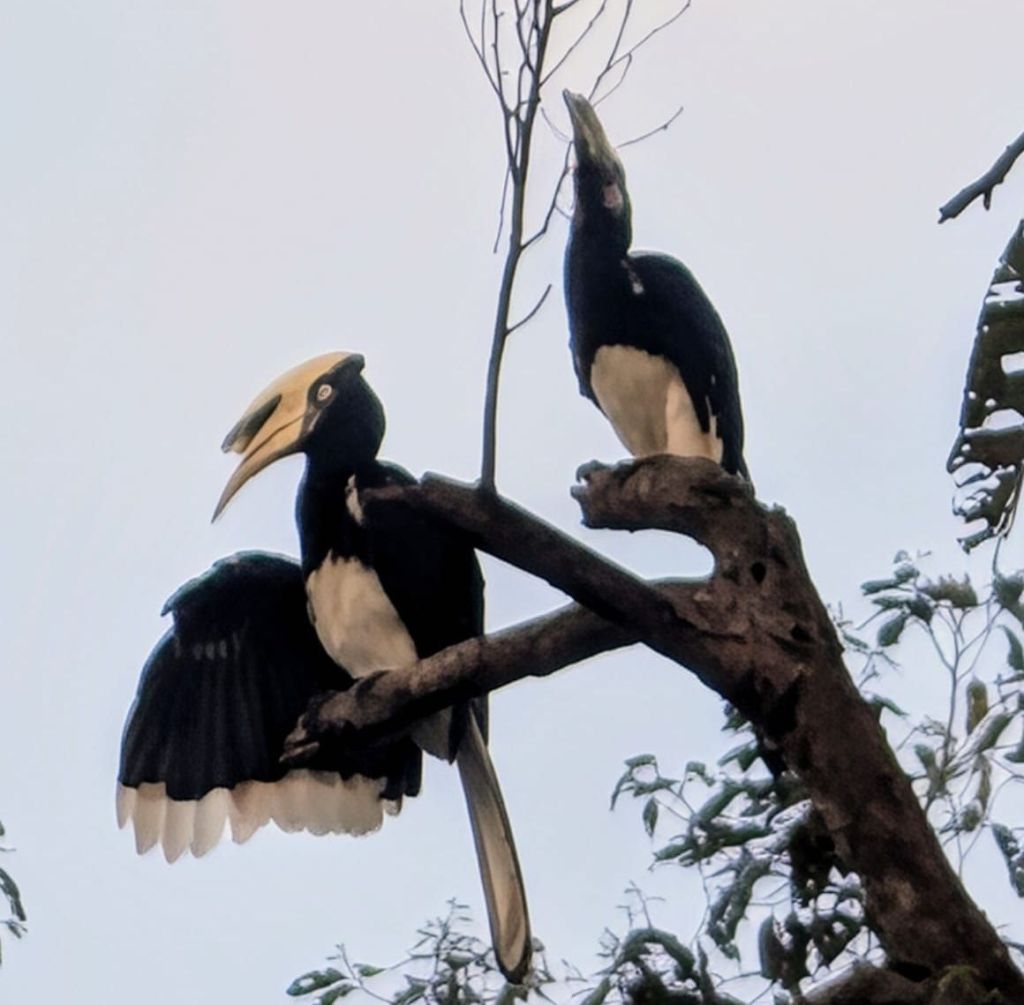
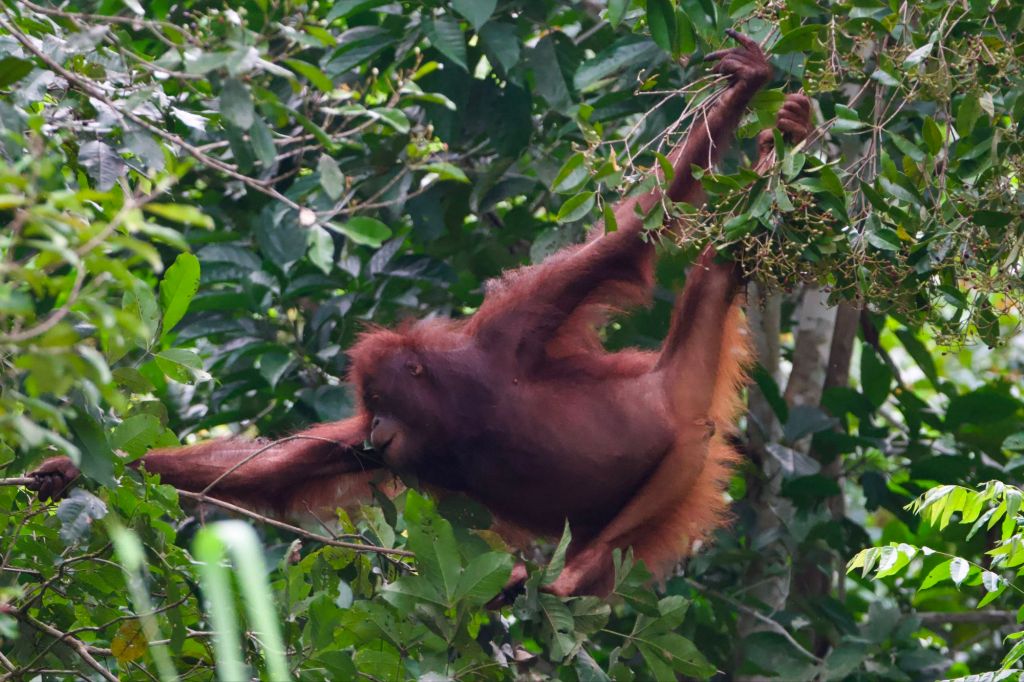
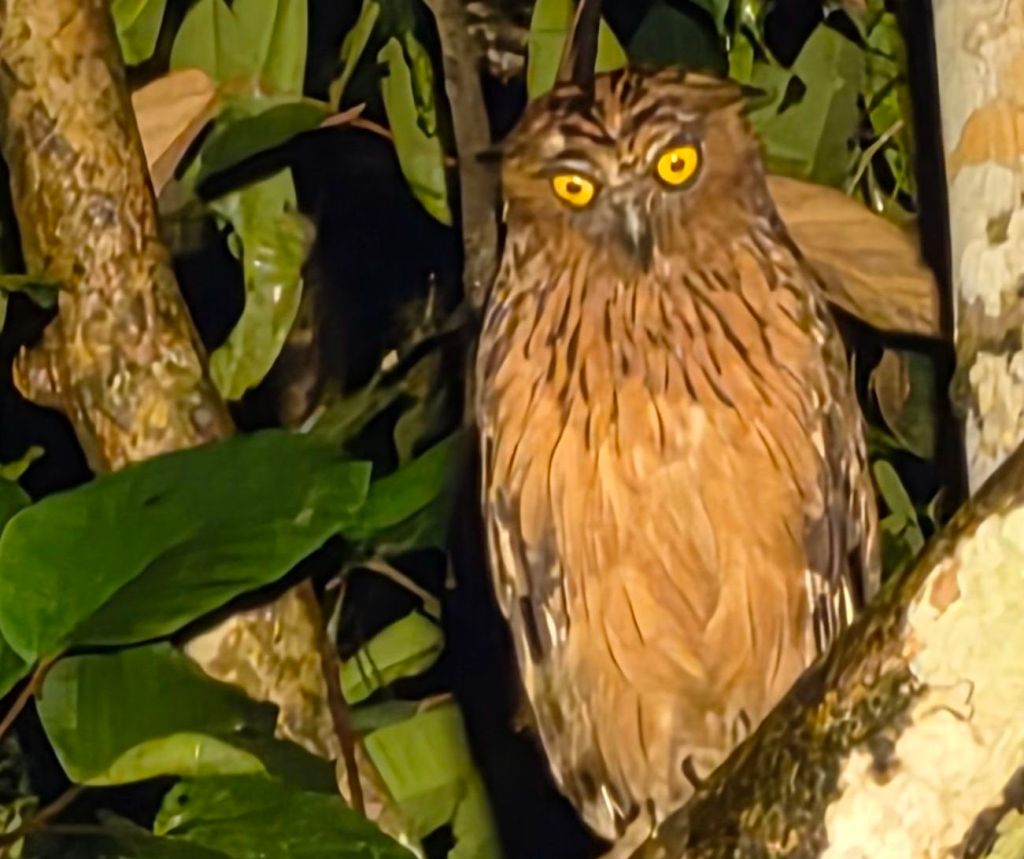
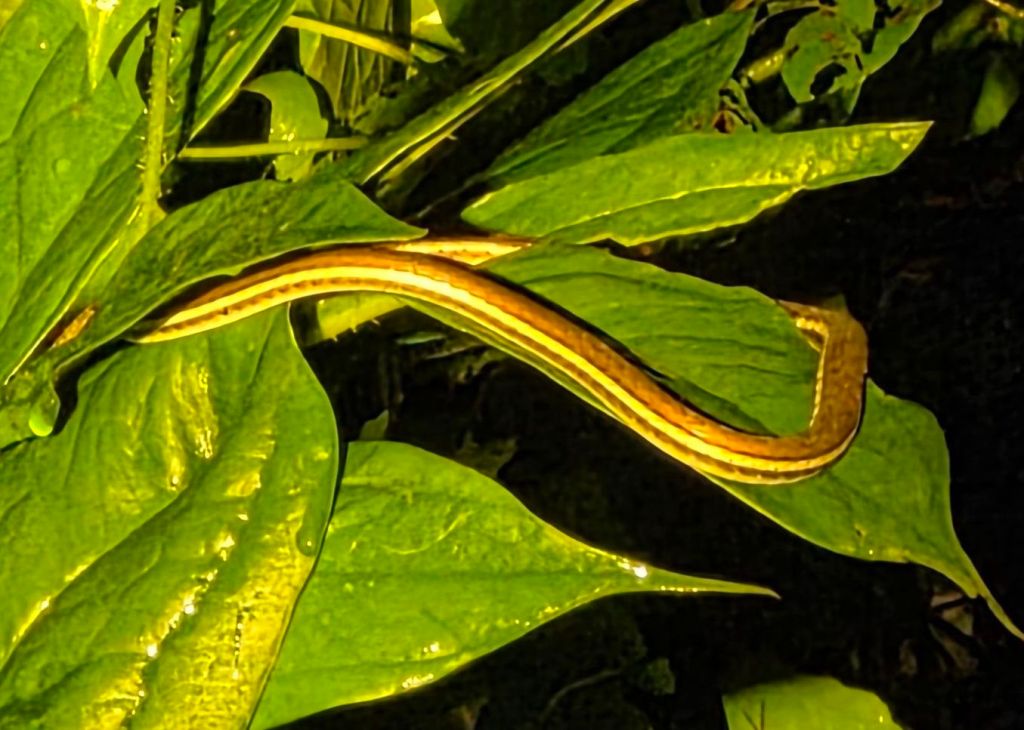
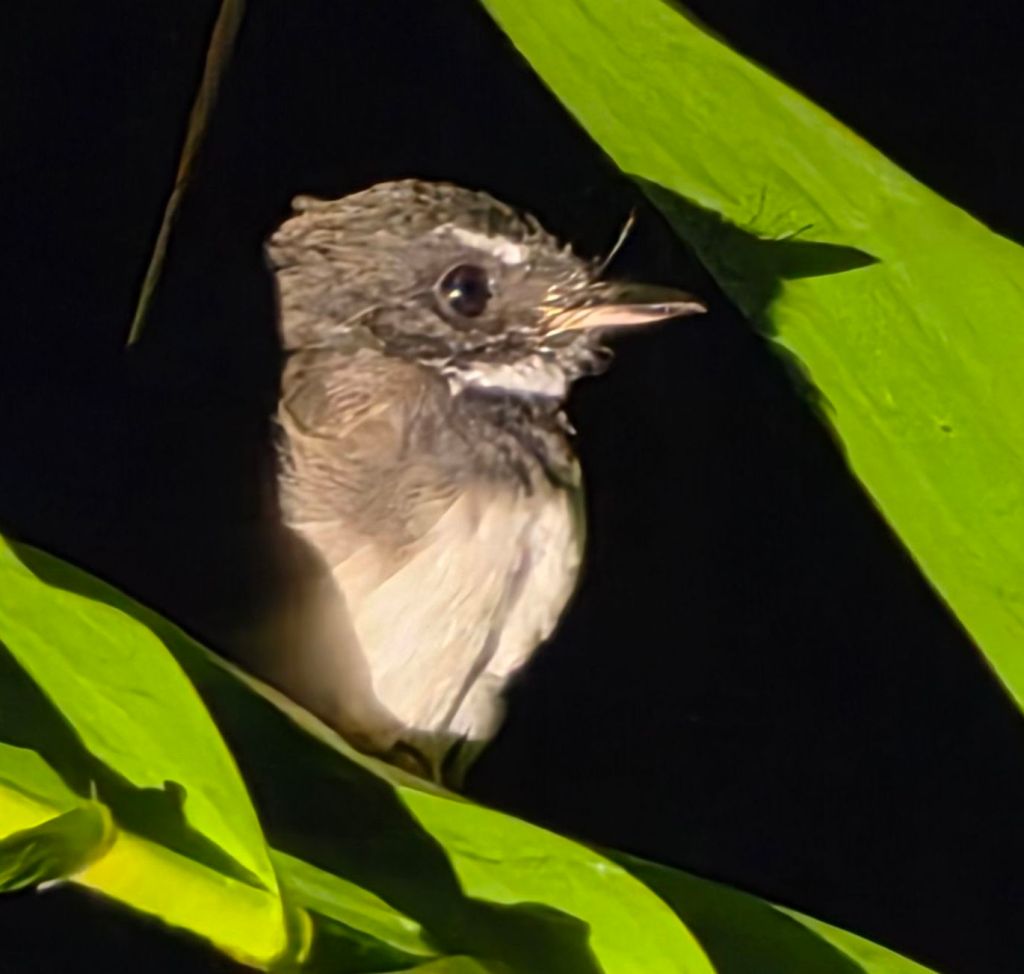
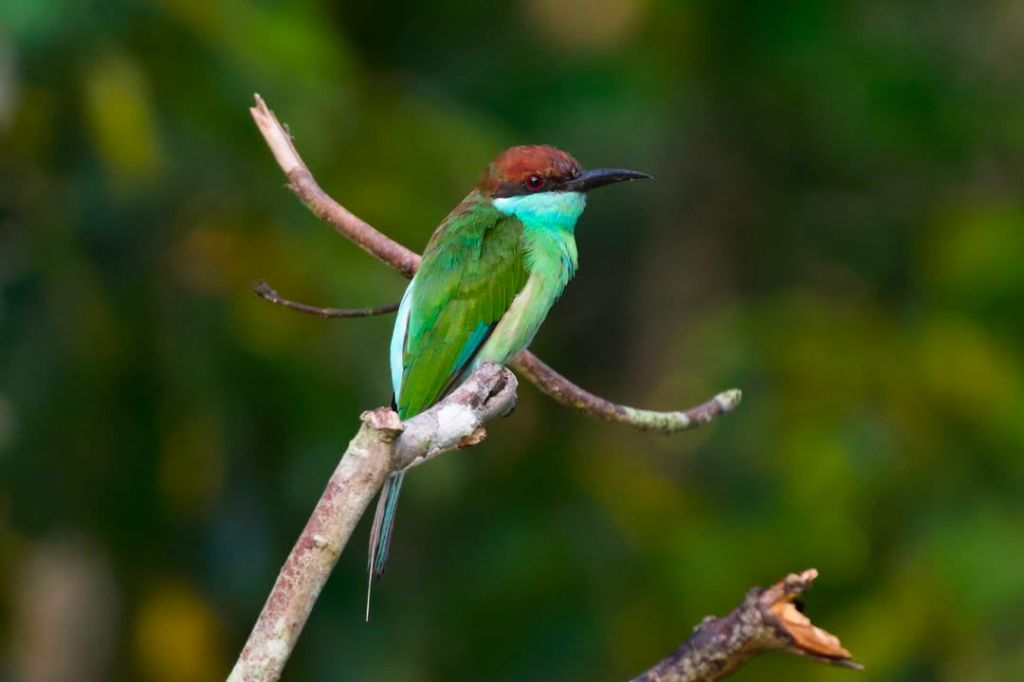
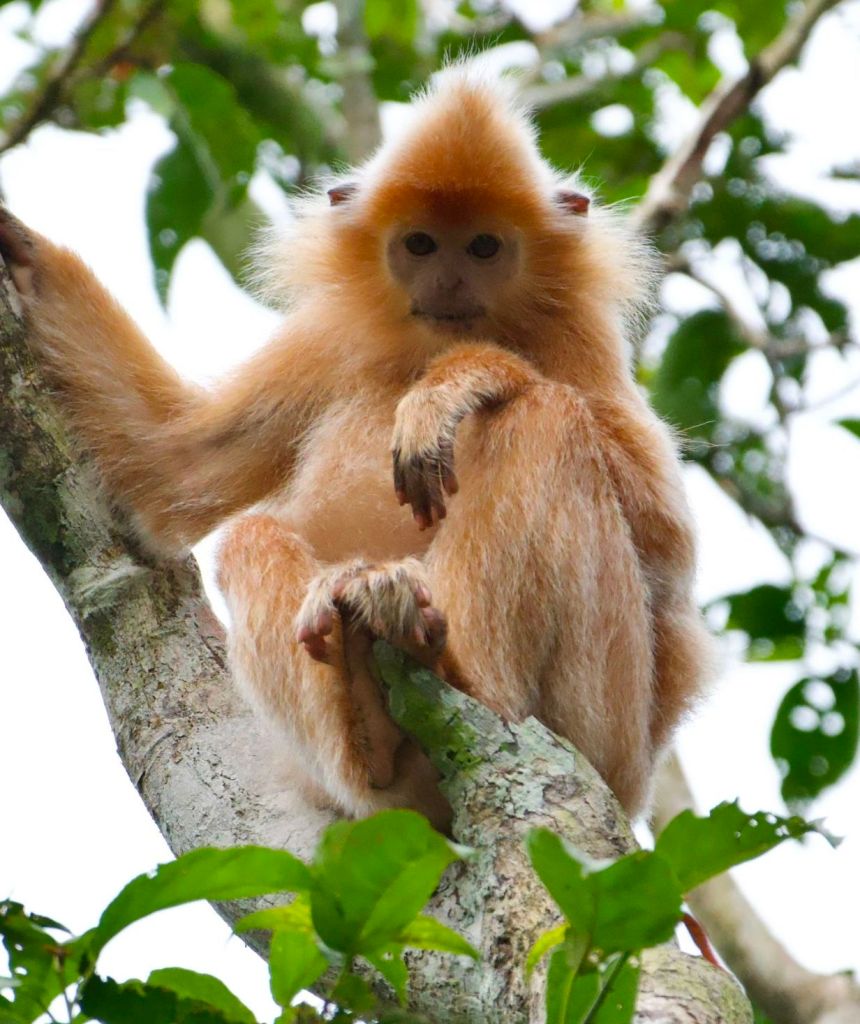
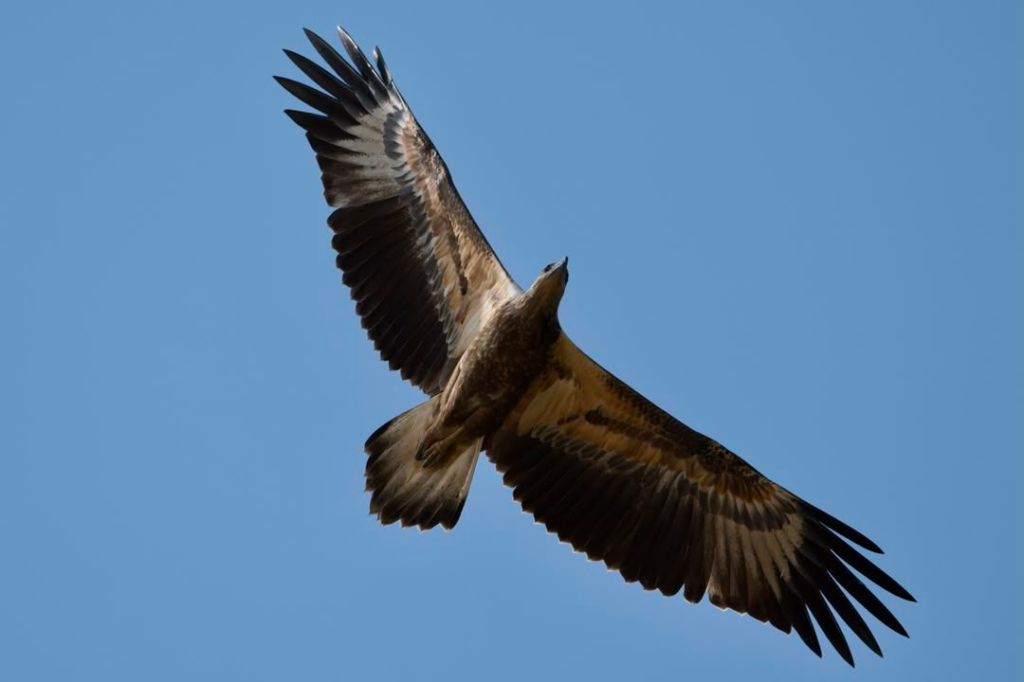
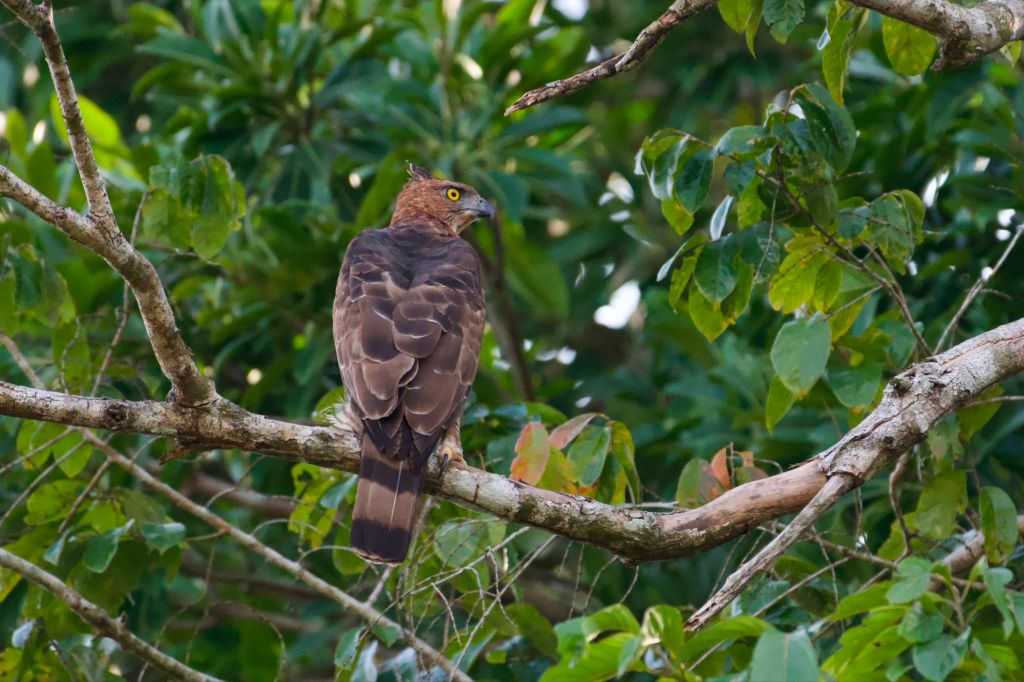
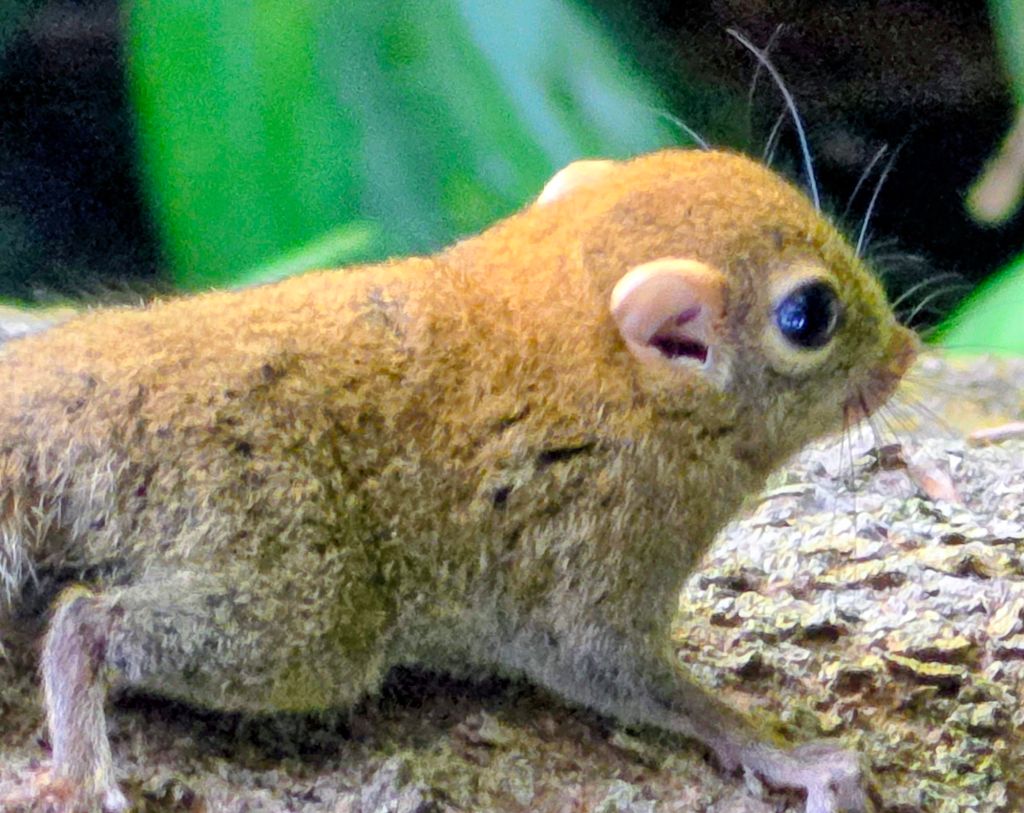
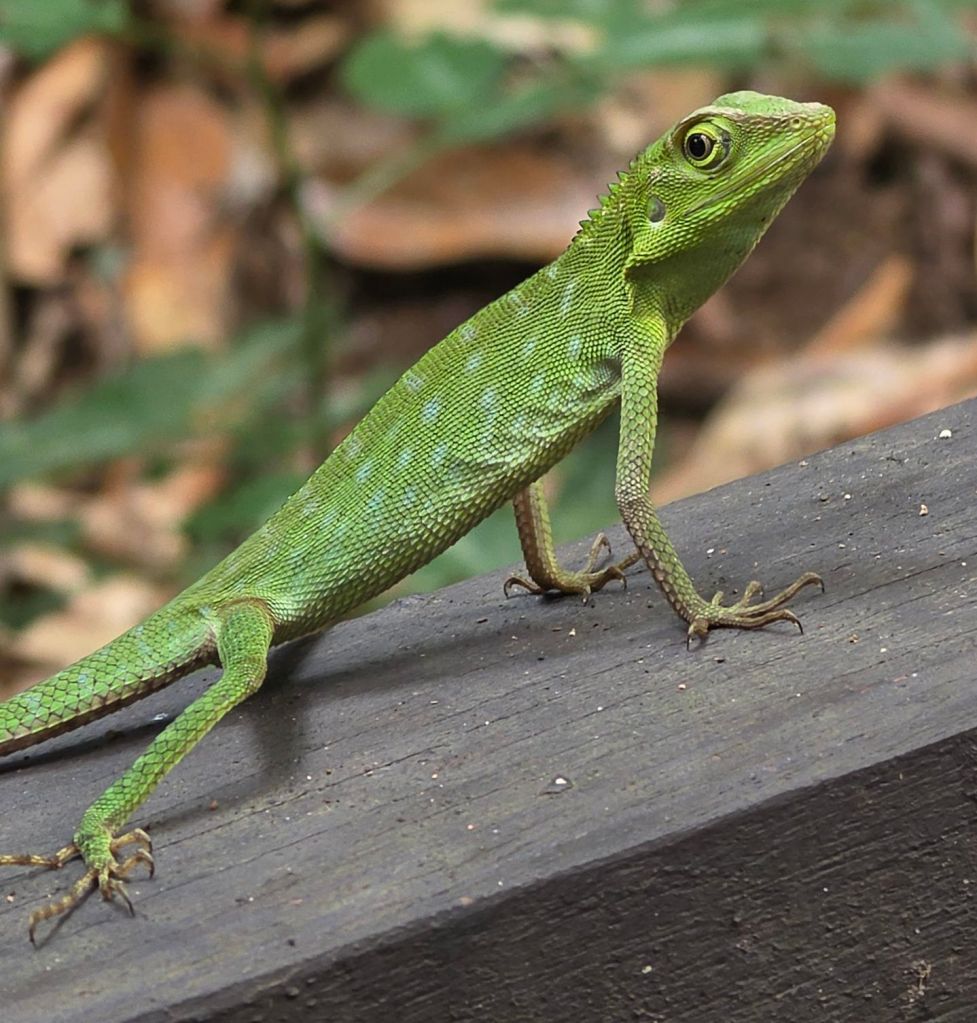
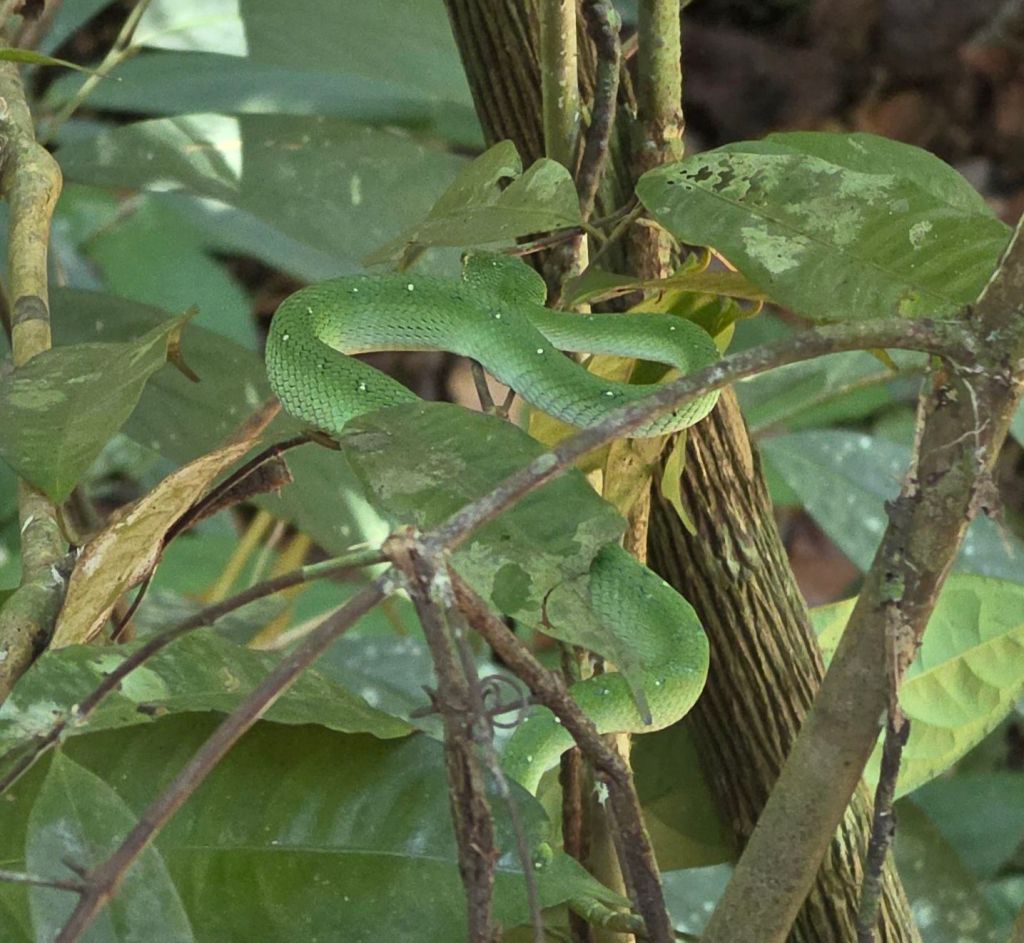
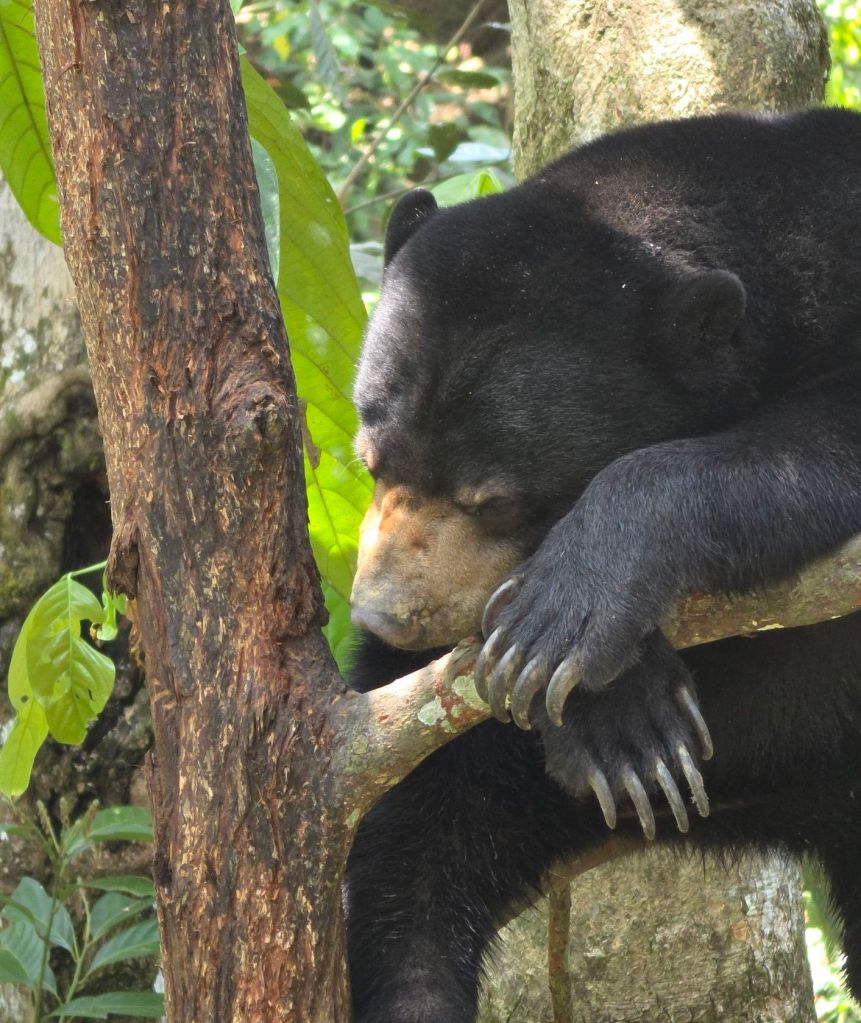
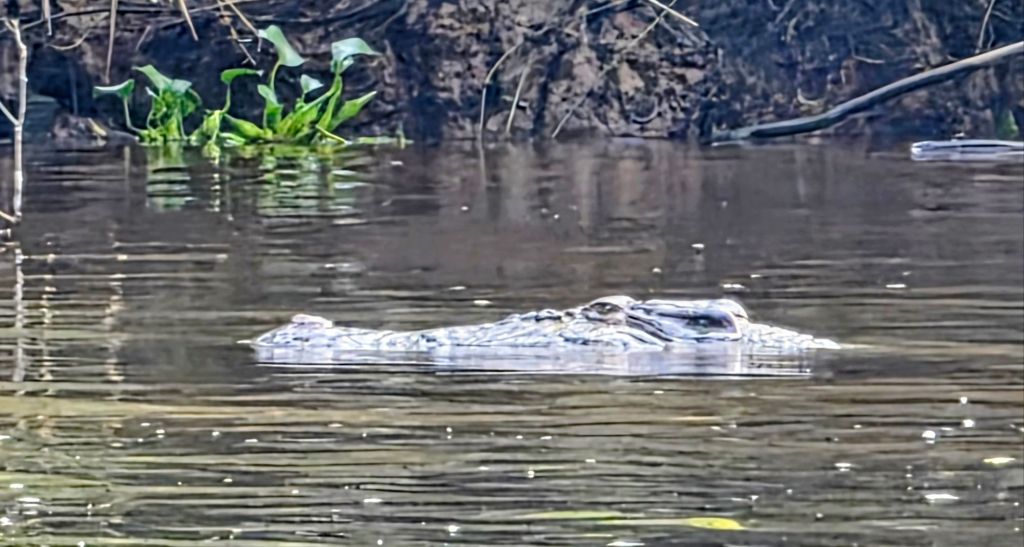
Every afternoon we went for river boat cruises to locate wildlife. We are seeing soo many species. Super impressed. Only didn’t see the pygmy elephants. Guess they were elsewhere during this time. I did see them at the sanctuary in nearby Sepilok in Sandakan.
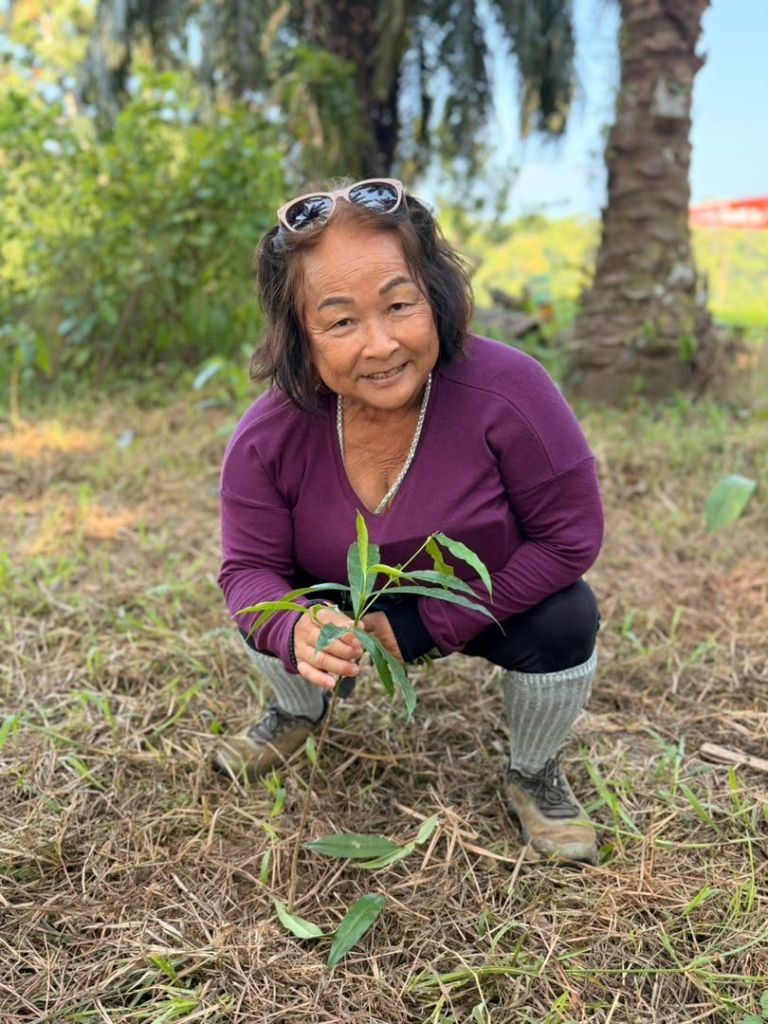
We have been planting trees for the past 2 days. It is hard work. First we dig a hole using a pole digger. Takes alittle technique for use so that you don’t have to strain that much. I haven’t learned it.
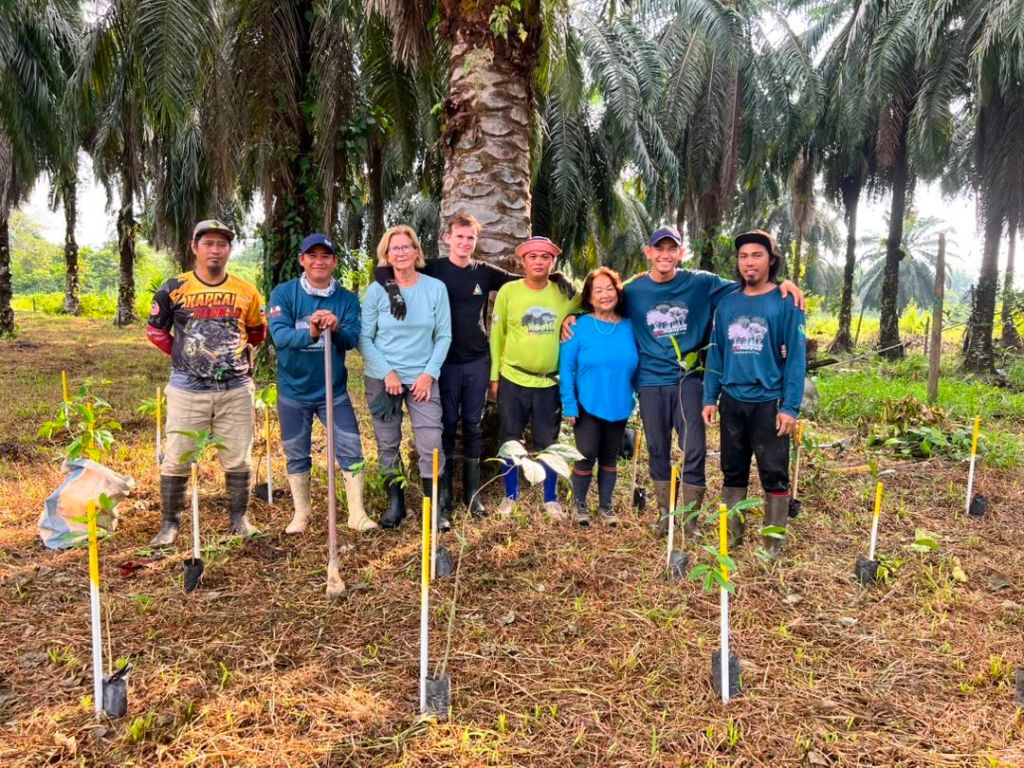
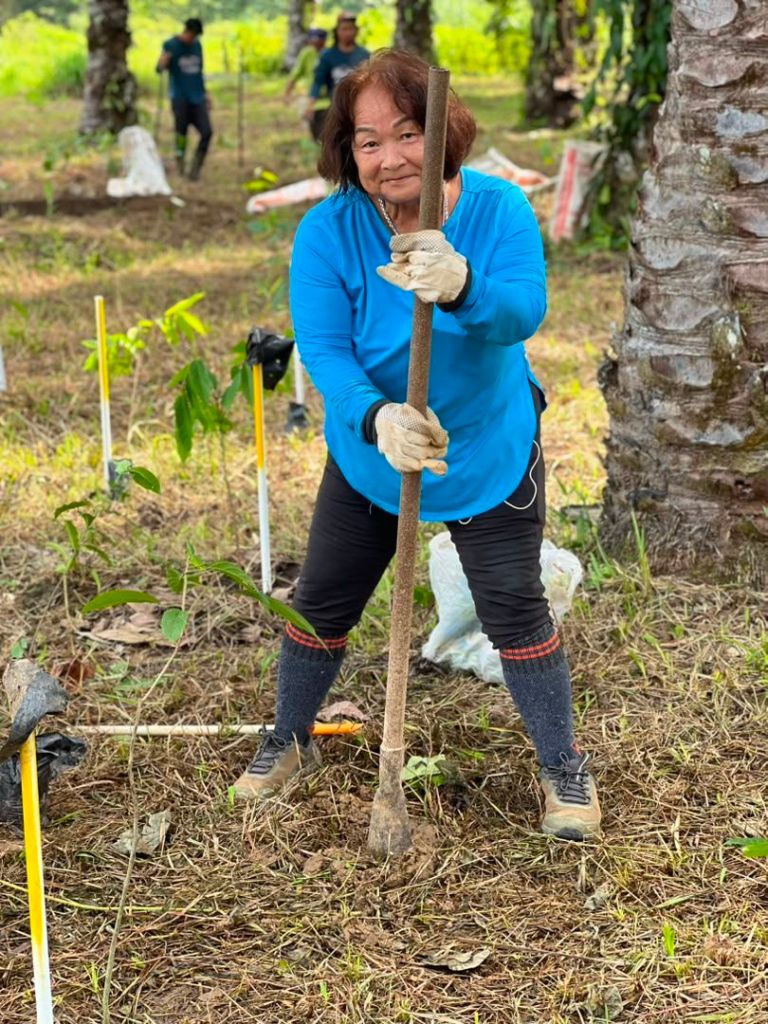
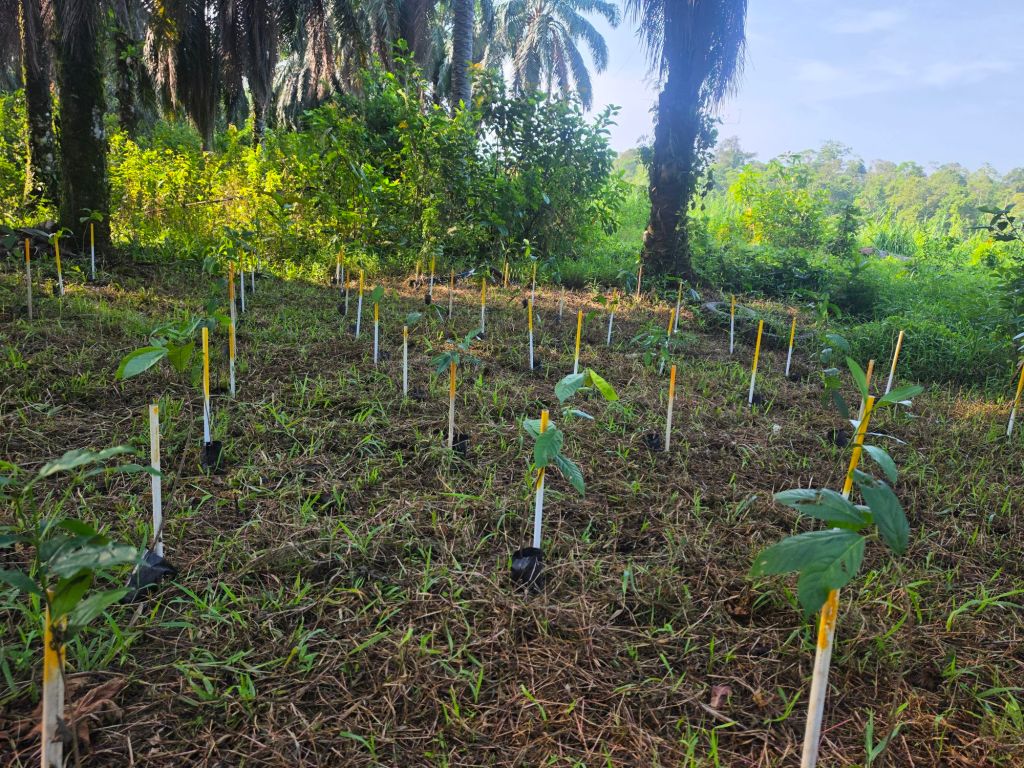
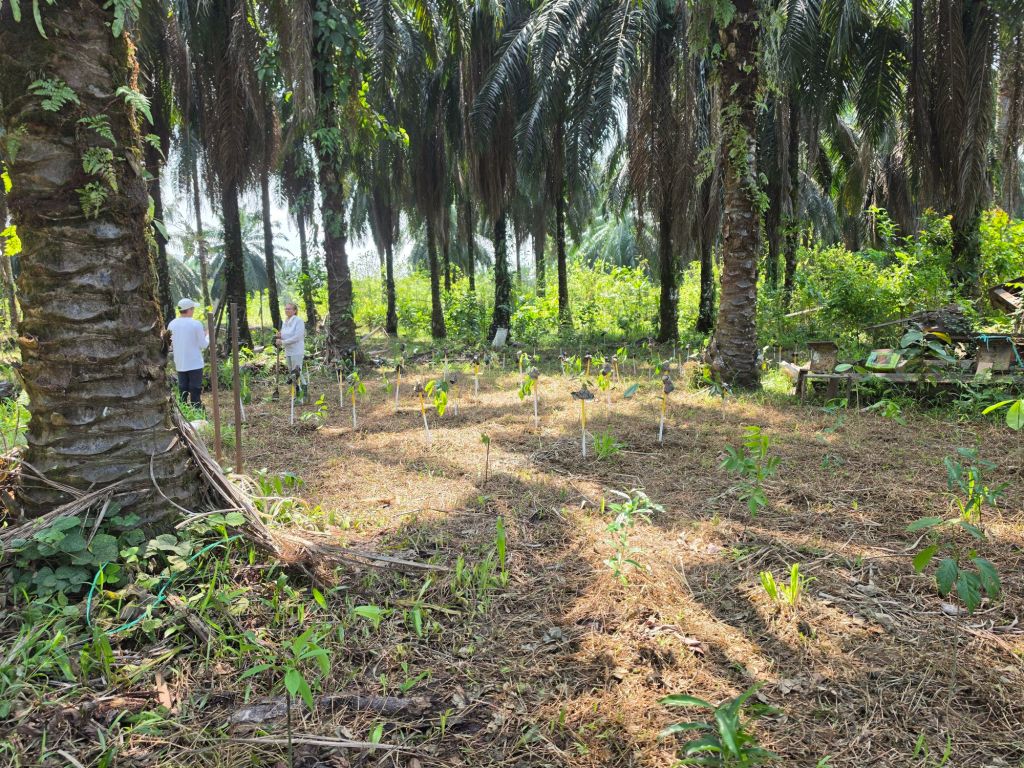
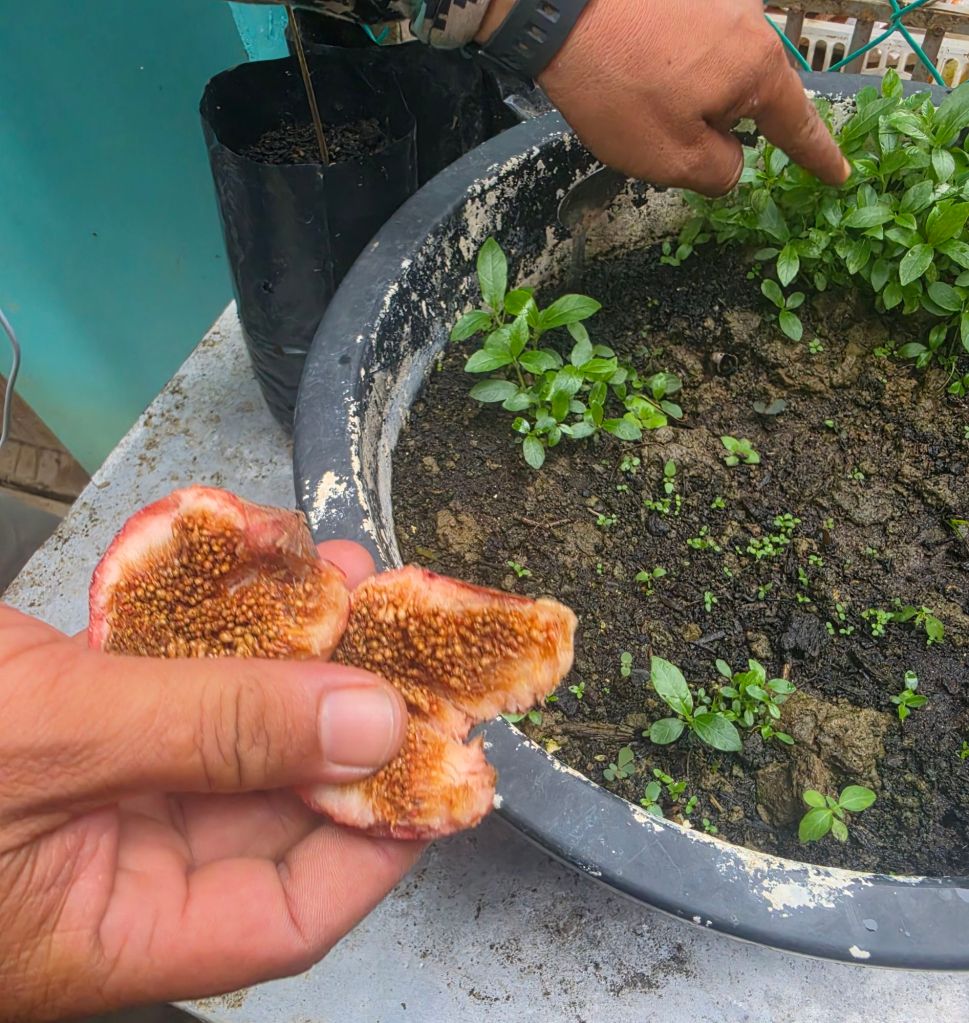
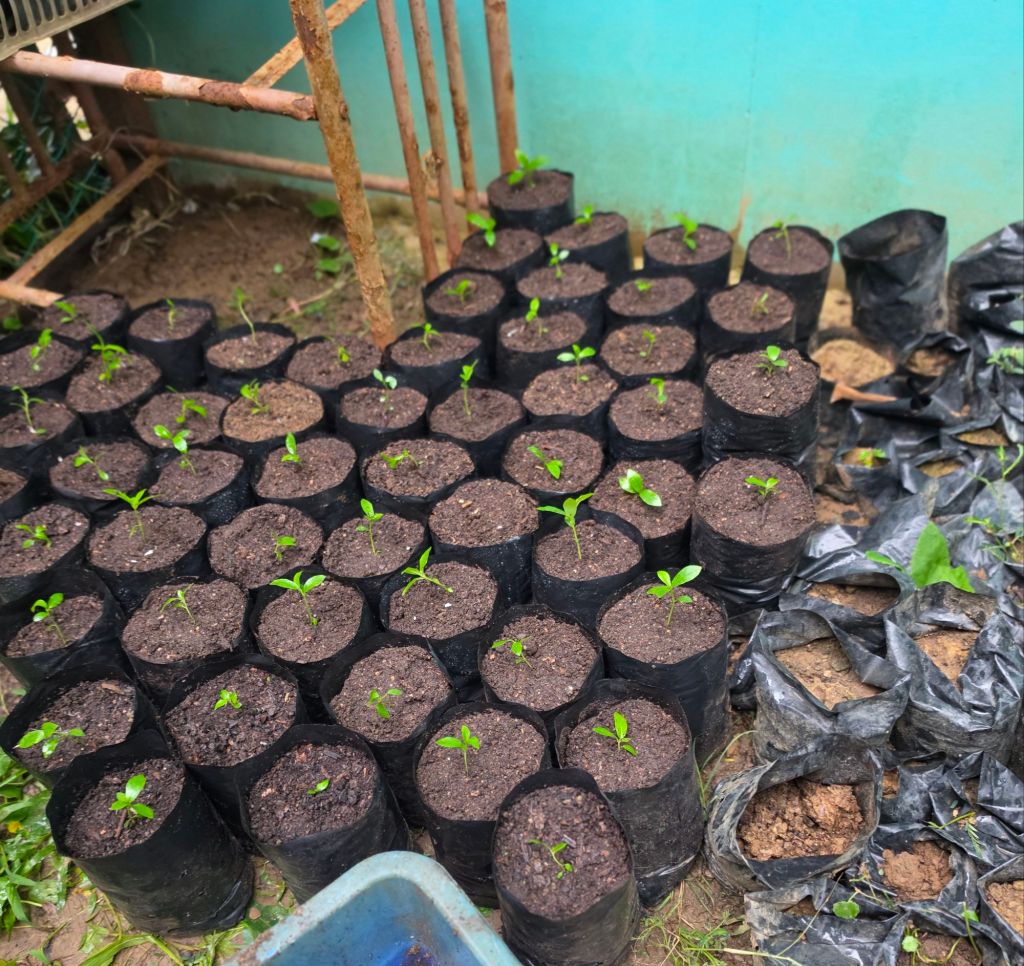
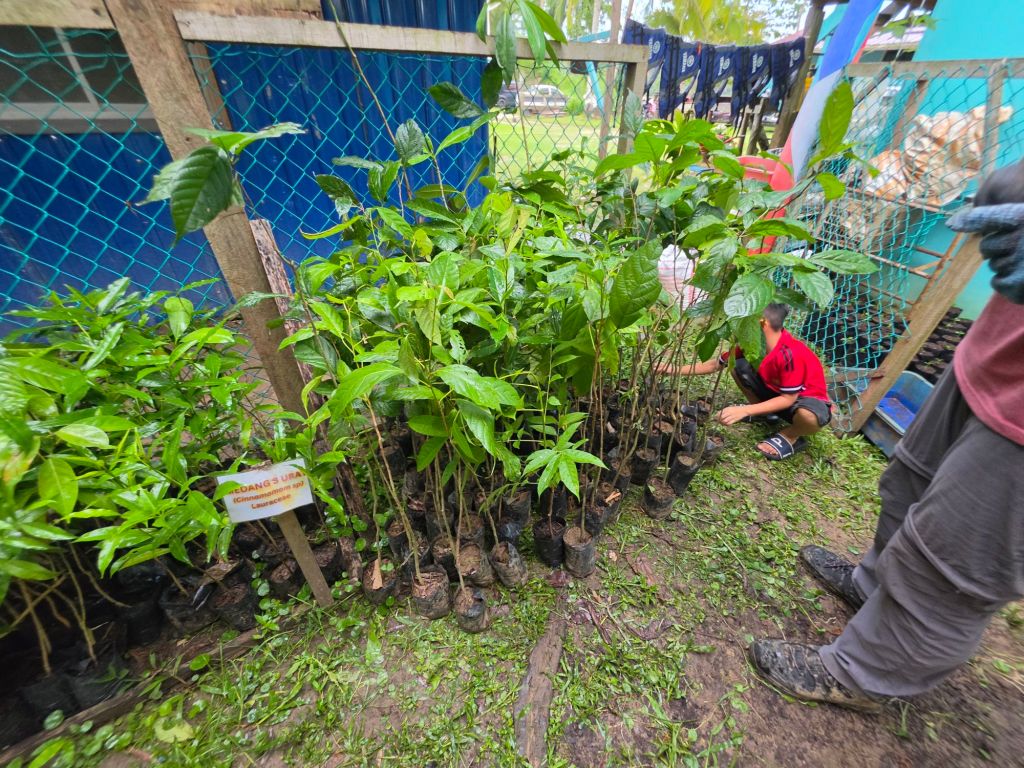
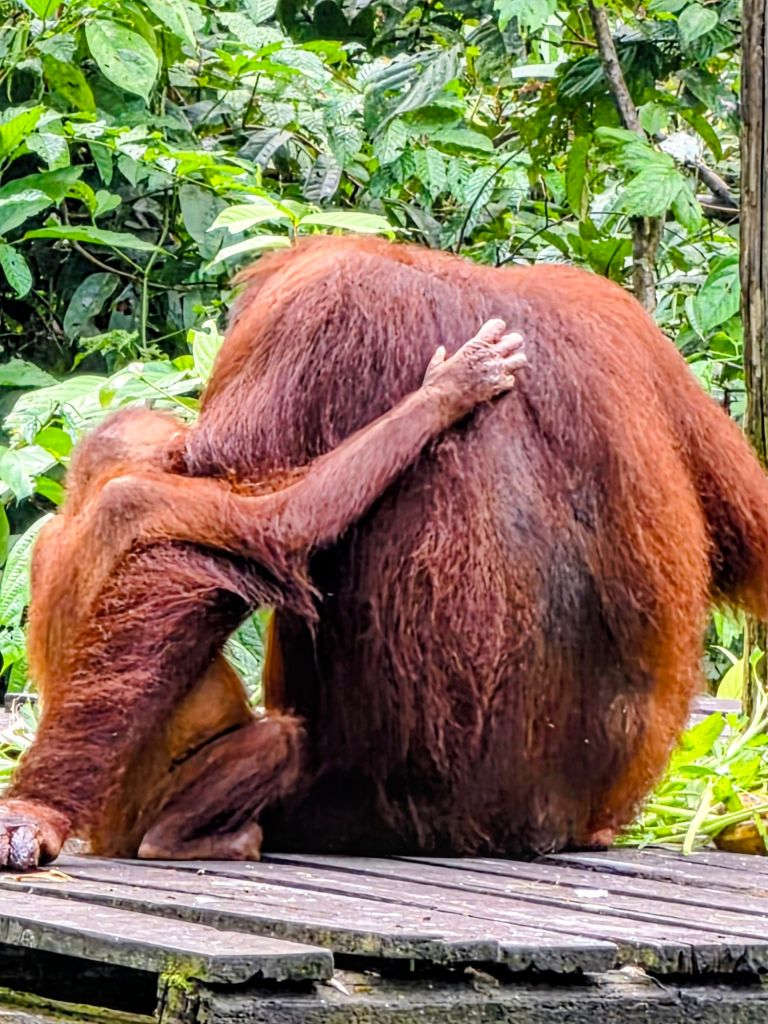
We are planting sustainable trees that are hand picked to make sure the wildlife can benefit ftom them. The baby trees are planted with care. Hopefully, with the right maintenence, they will grow to someday nest orang utans. We can only hope. Data on the trees is also kept. We had to list the names of the trees planted and where. Still can’t recall their names … all foreign to me. I learned, but forgot the names already and if you know me, then you know this is not my forte. I am not a gardener. I don’t have a green thumb, unlike my parents and grandparents and my son … I didn’t get the skill or the passion. So this is a real accomplishment for me. It is out of my comfort zone and I knew it when I signed up to volunteer. I have to say though that it hasn’t been as hard as I thought it would be. Of course we only work like 2 and a half hours in the early mornings. Then we go back and rest. Then have lunch and go for boat rides in the late afternoons. On some days we do nature walks or have cultural events. It is all pretty well planned out.
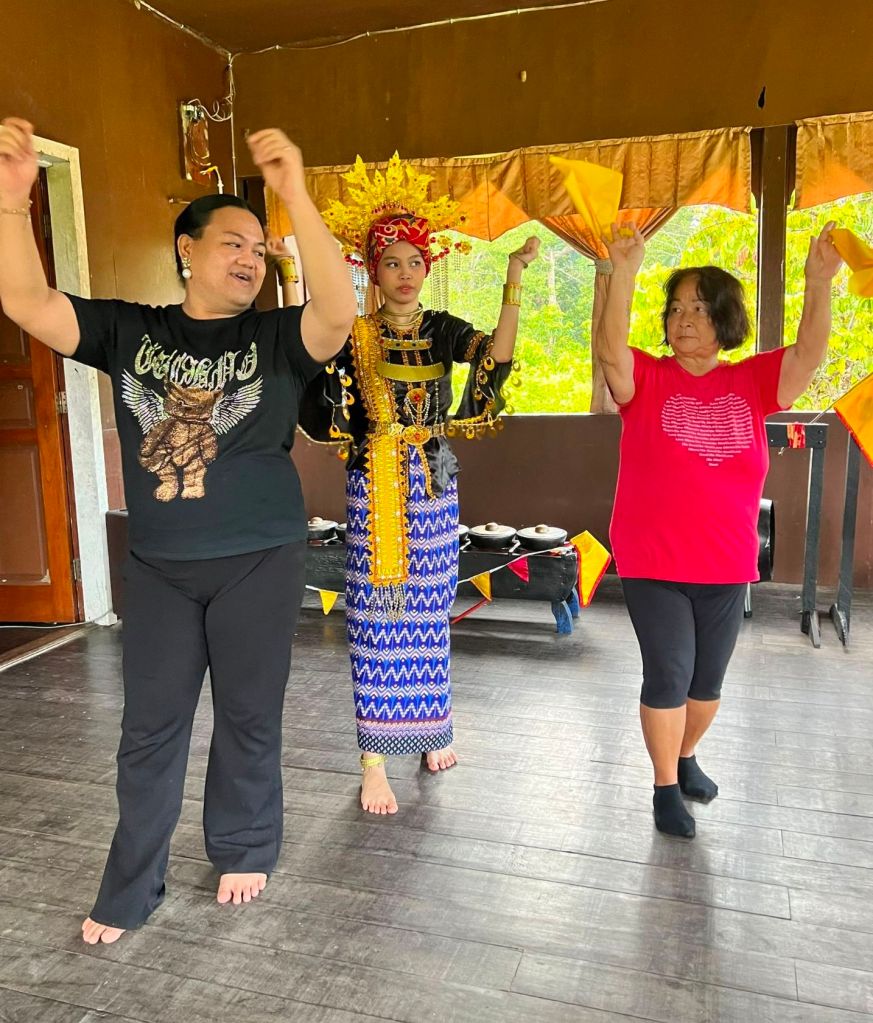
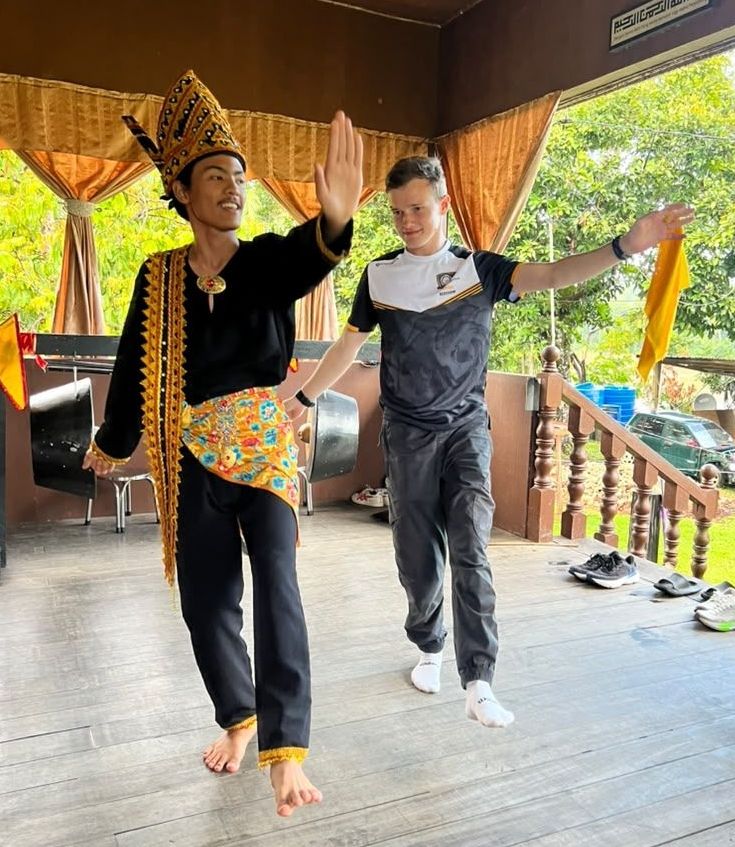
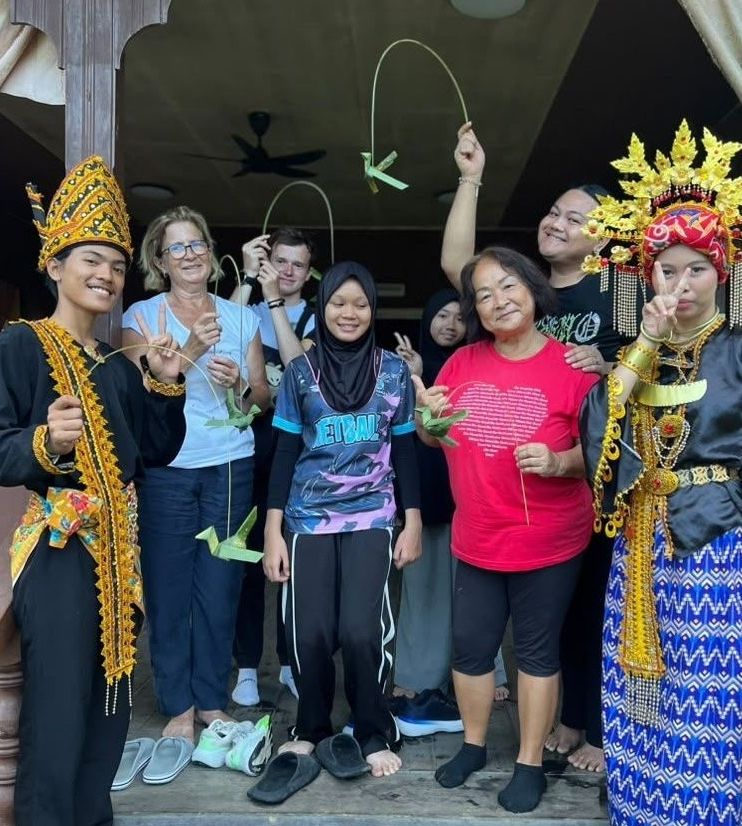
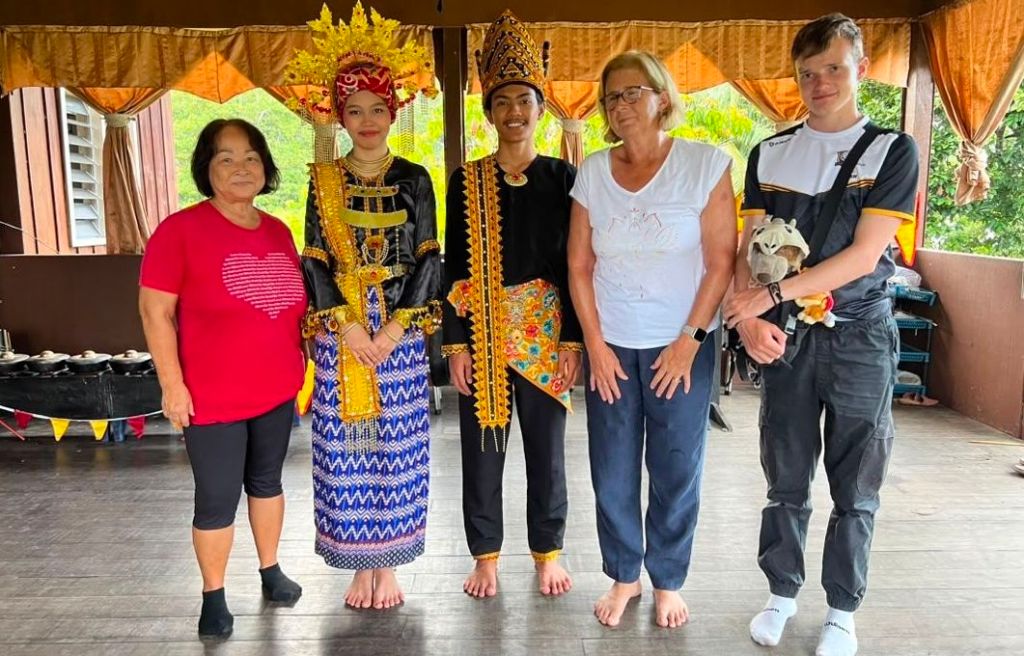
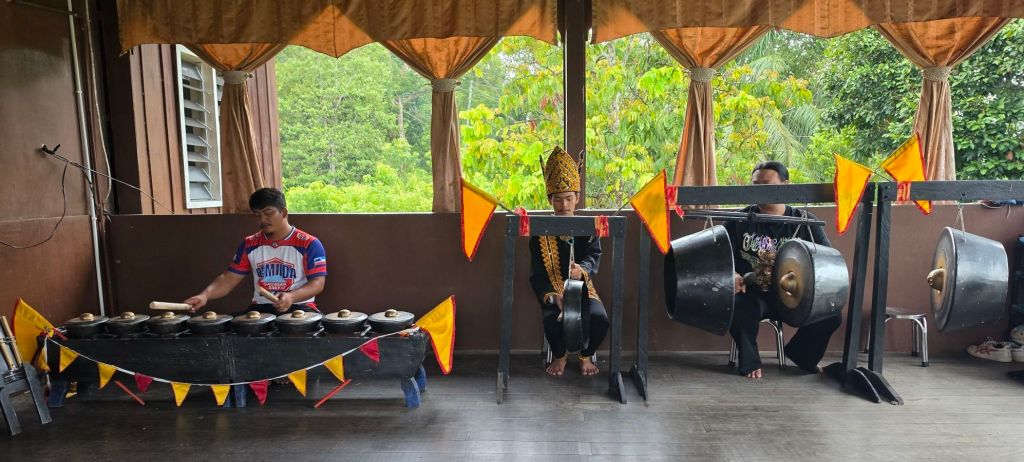
I am impressed with this program. Mark, the leader, has done an exceptional job with this conservation program. He incorporates the local people by providing them with income, jobs and resources. Mark keeps their traditions alive. In this way he is bringing the concept of sustainability into existence, not just with the forest but to everything and to those around him. We could all learn from him and that concept. The only way the world will survive is if we work together to sustain and uphold each other and the nature around us. We’ve destroyed so much already. We must start to rejuvenate each other and the world around us in order for future generations to prosper and live their best.