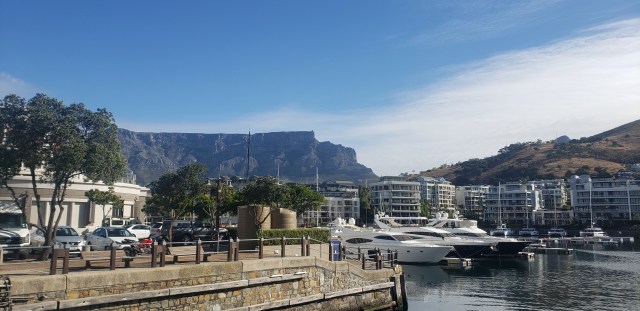
Capetown

Then off to Capetown my own experiences.
Township tour… Apartheid… District 6… 1959, the eviction of all black (60000) from District 6 away from the harbor. One suitcase to pack and no real notification (kind of reminds me of another relocation).
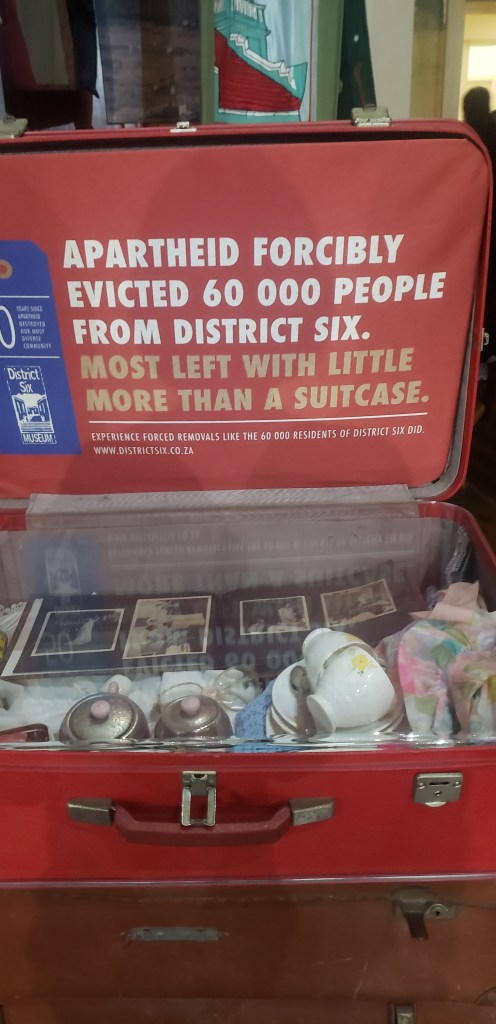
Some writing from the experience:
“Happy days
District Six
Living was cheap
Life precious
And now in Havover Park
Living is expensive
And life is cheap”
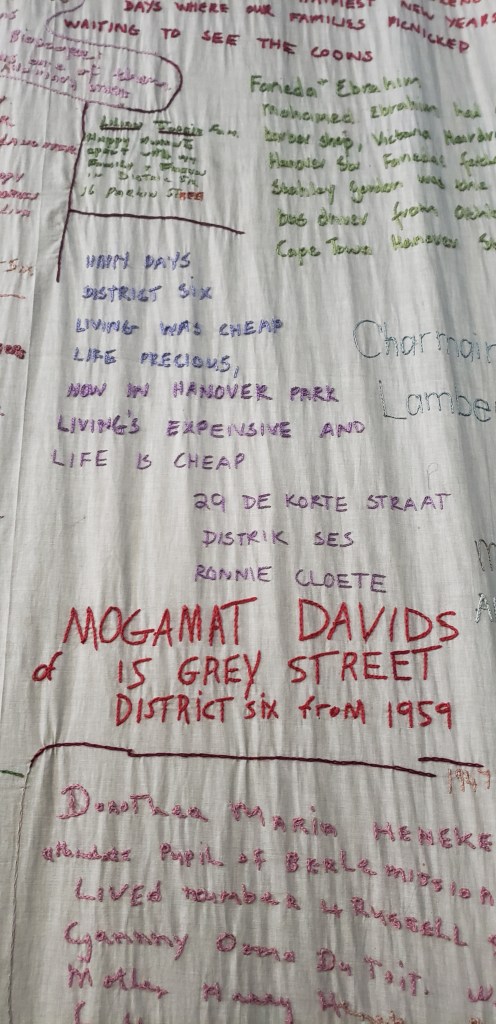


“We all grew up as one family (all races).
Life was beautiful then
The gates of memories never closes”


Apartheid was in full swing. Everyone had a pass card designation black, white or colored. I found it interesting that colored designates half white and half black.
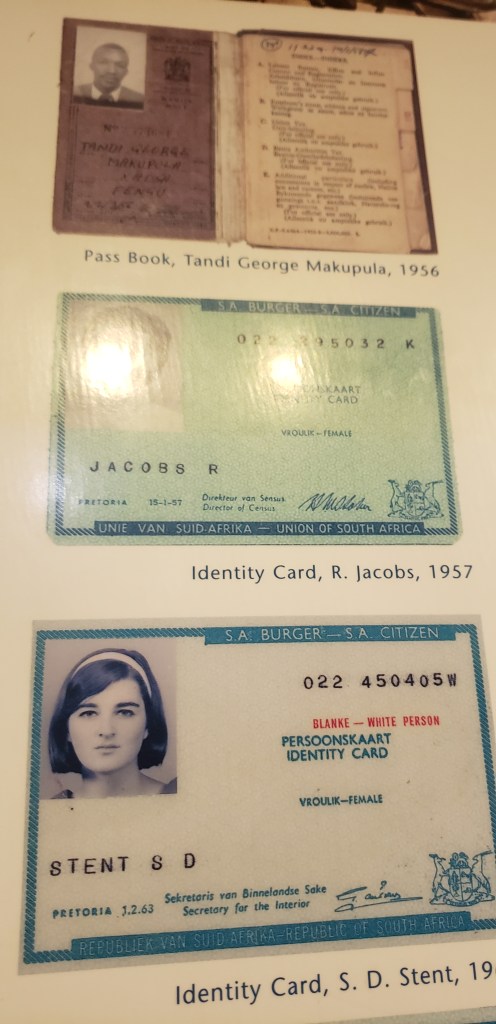
If you were caught not carrying a passcard you would be arrested and, in some cases, never heard of again. Everyone needed to have a pass card and couldn’t go to certain areas at night.
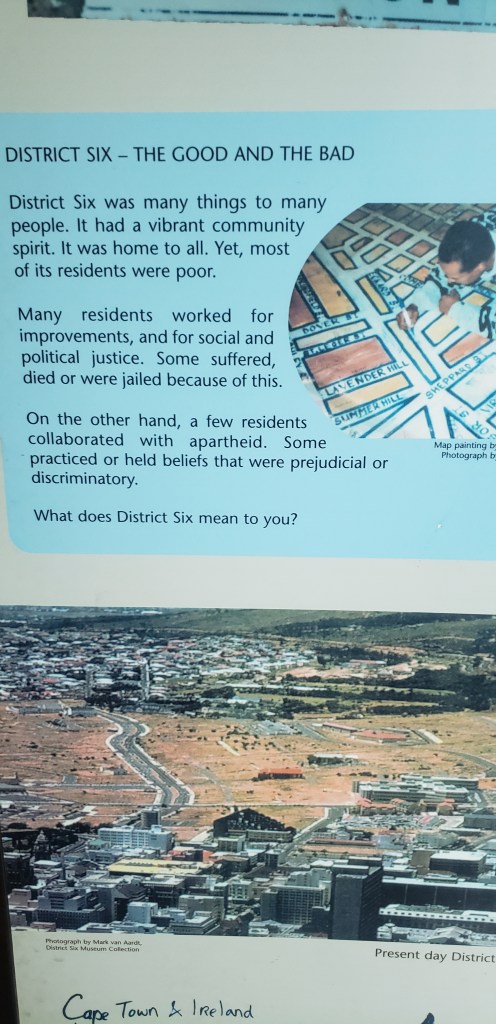
Of course, as the human spirit would have it, there begin uprisings against the pass card and some publically burned their pass cards. In 1960 the situation culminated with the Sharpville Massacre.
The Sharpville Massacre occurred outside a police station in a township (near Johannesburg) as people protested against the passcard. 69 people were killed and many more injured.
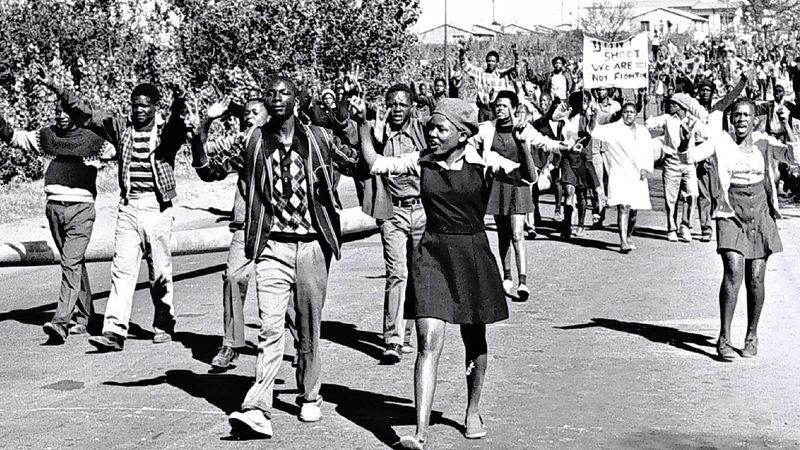
This attempted “social engineering” and forced townships continue to plague and remain to haunt Africa of today.
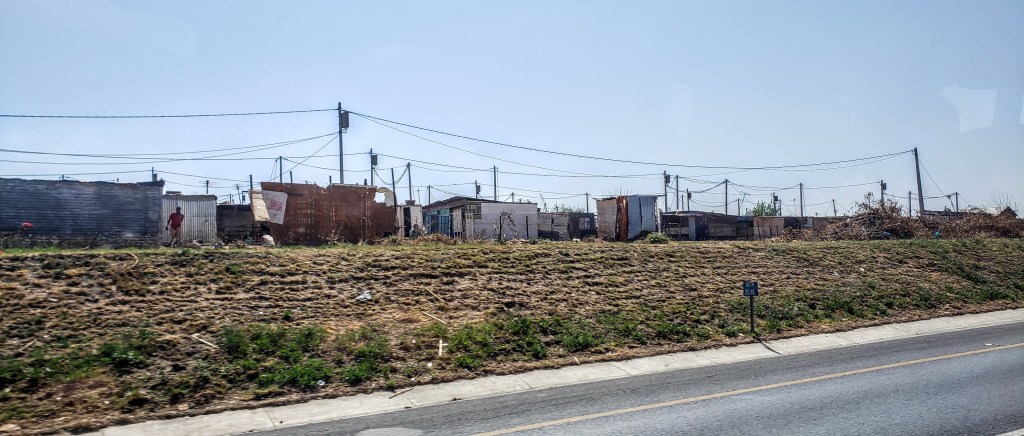
After visiting the District 6 museum, me and my guide went to Langa, one of the largest townships on capetown. There I saw the still standing buildings were they were relocated to. 4 families shared one room along with all their belongings.
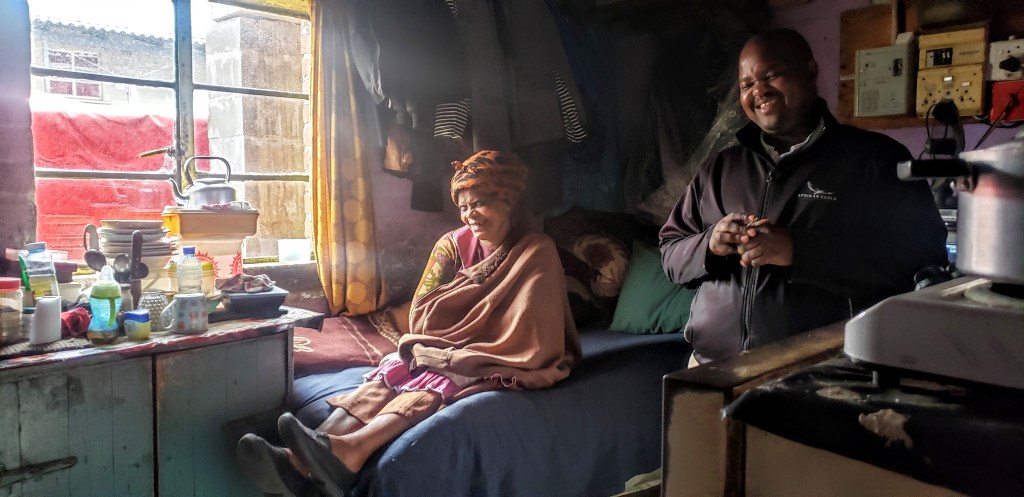
They shared all common areas. Can you imagine no electricity, no proper toilet facilities and no running water?
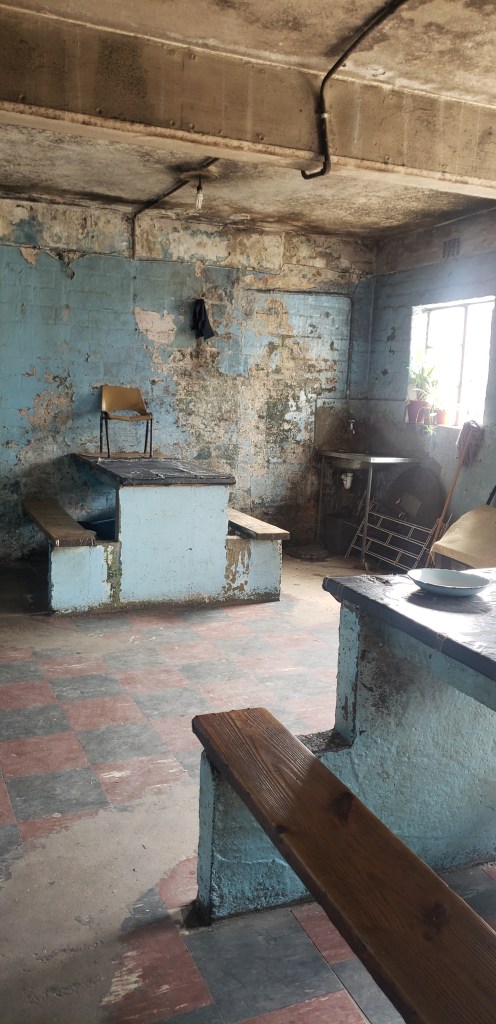
Still today the township residents share toilet facilities and gather their own water.
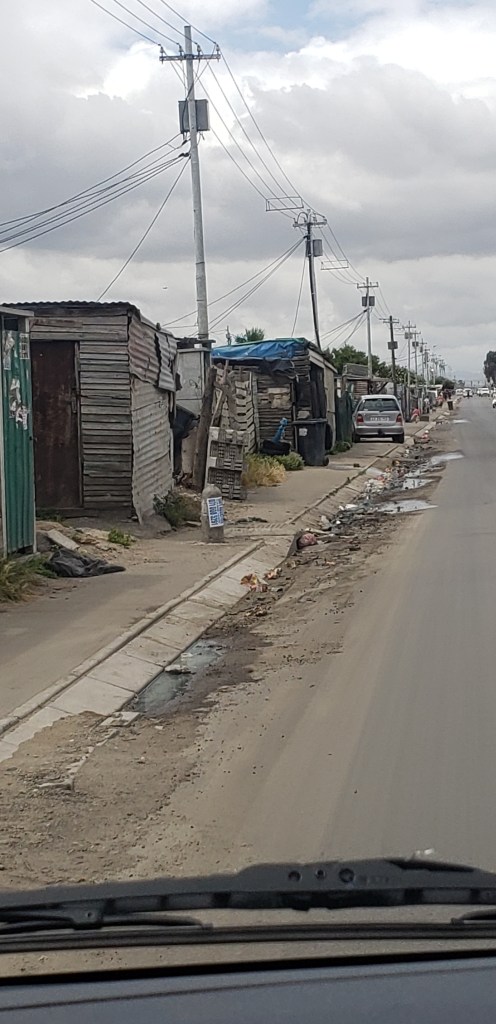
Some township residents have houses and still choose to live there because of the camaraderie and community feel. Extended families live together or nearby and help each other.
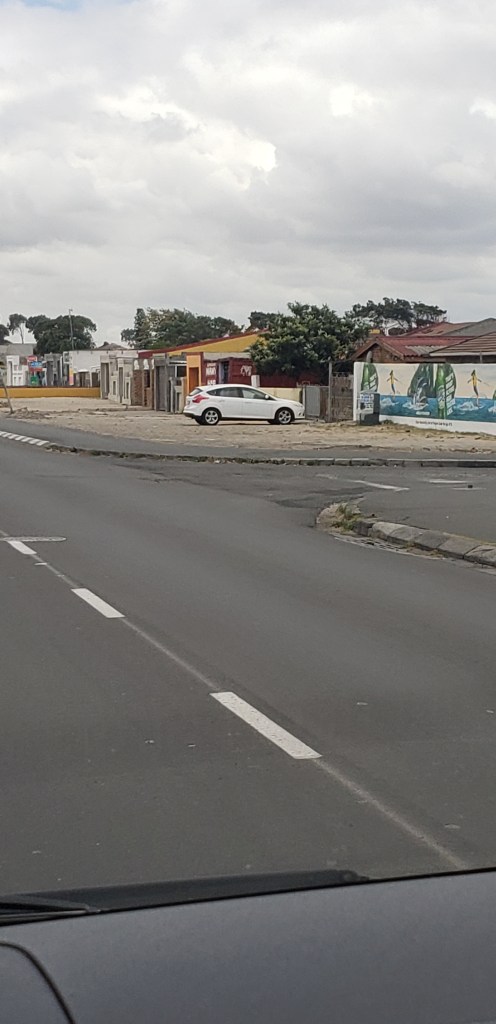
The best thing about townships is the strong community bond that the people share. Money doesn’t always buy happiness and sometimes our best memories are those of when we had little.
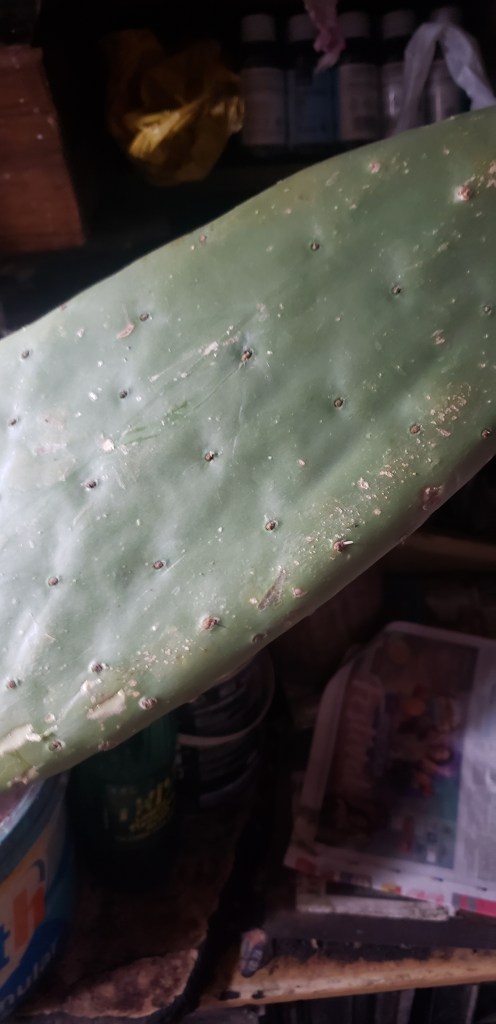
Off we went to see the healer… he spoke fast and showed me him the plants herbs of which he uses for medicine.
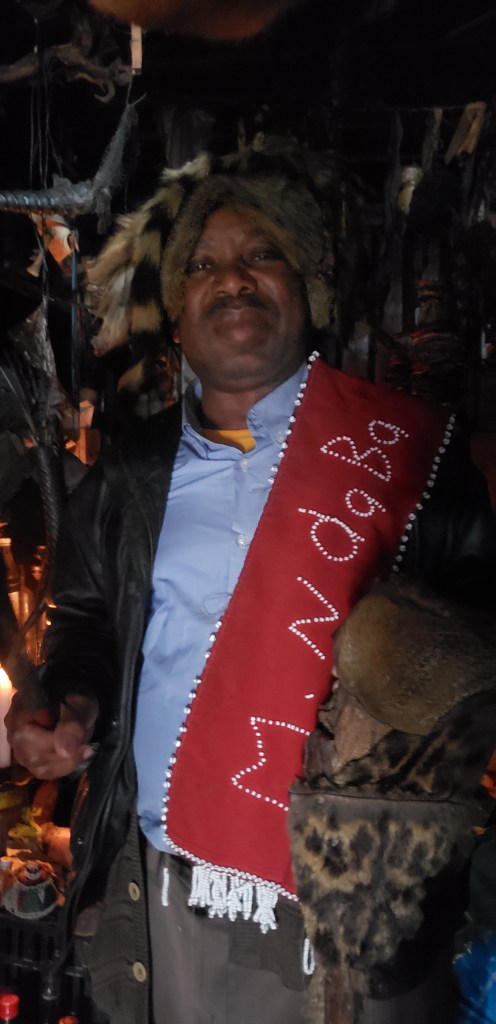
The juice of this cactus he said is good for depression and tolqofia for arthritis.

The preschool was a joy to see. The kids all so friendly. They recited their songs with glee and they sang so loud and proud. I left some cash in their donation jar as I can tell they are in need of supplies.
Wildlife ACT

Animals demonstrate respect for each other. Even though some are prey and some predators, most take no more than they need and live in symbiotic relationships.
Animals are not like man which kill for the fun of killing.

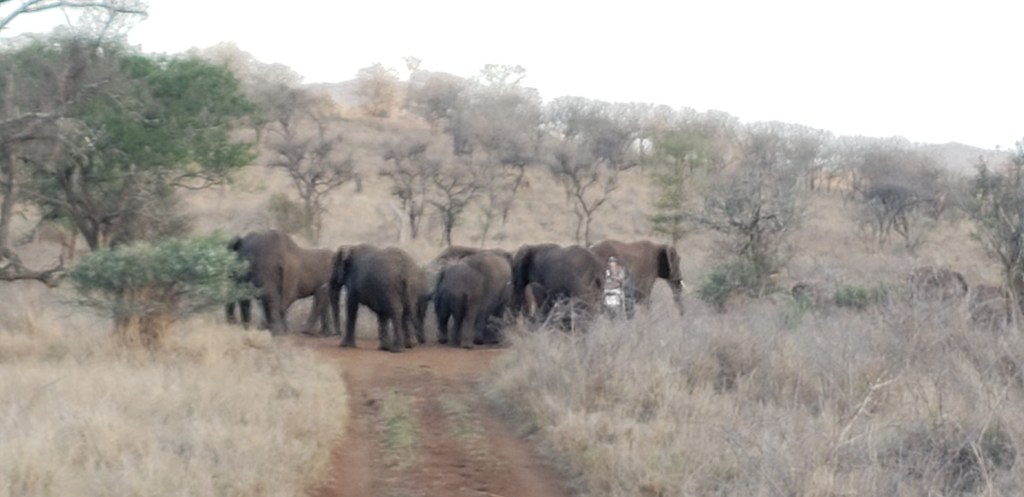
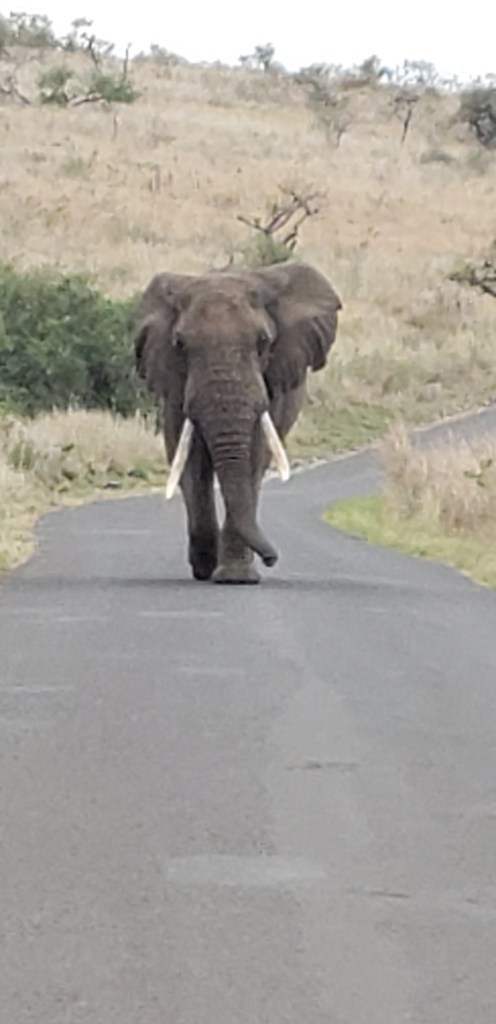
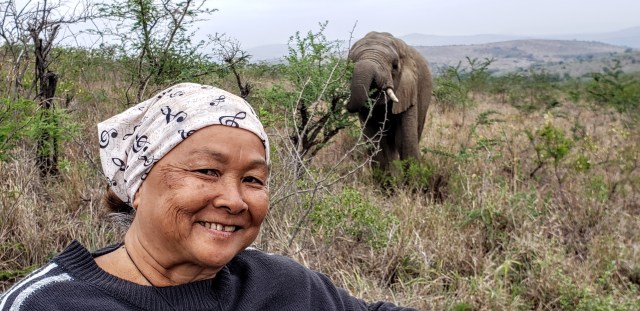
Oh… hello Mr.. Elephant


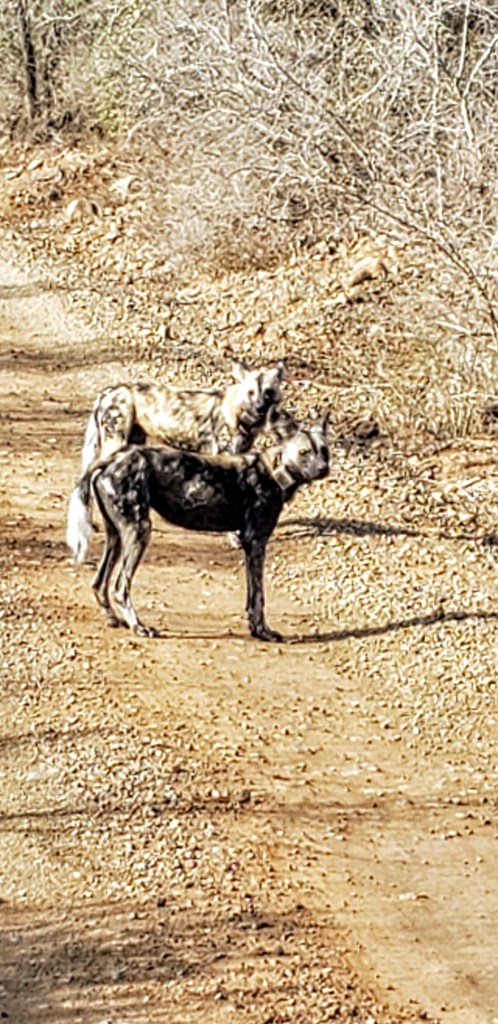
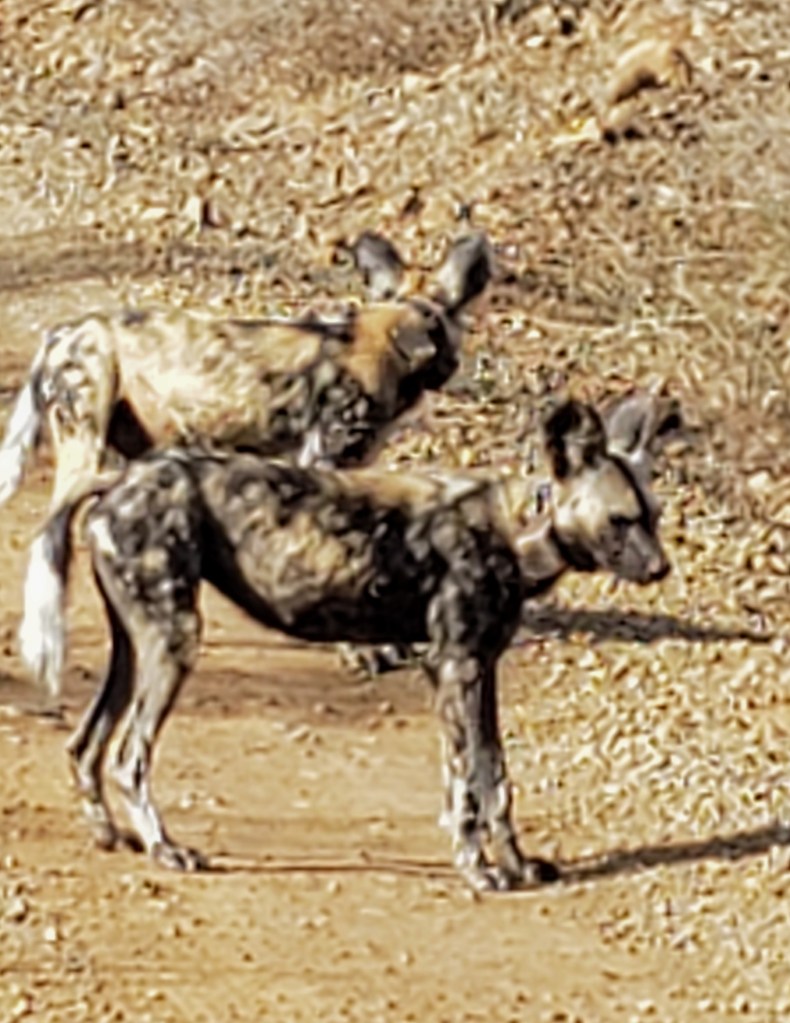
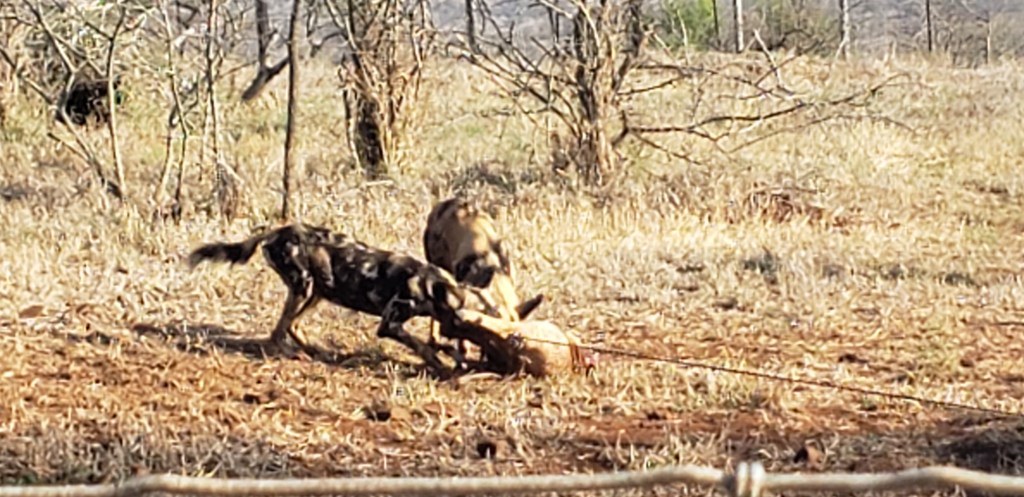
On my second day at Manyoni we continued looking for the two wild dogs that had escaped from the reserve. We were trying to dart and redistribute them. These two dogs were survivors. They both suffered from snares, at the hands of humans, and had each lost a leg. The male his front leg and the female her back leg. As a result she was able to run and catch prey while he was slower. They found a way to helped each other out.

The management knew that the male couldn’t survive without her and as she was getting older and near to the end of her natural life the plan was to bond them with others where they could both thrive. While looking for them, we got a call. They had been killed by the town people. They were stoned to death as they were trying to come back. It is heartbreaking to think how they suffered at the end. The plan to redistribute them would now never to come into fruition as their lives were ended through cruelty of man.

Why do some kill for the mere enjoyment of killing… I cannot understand that. Through my travels and contemplation perhaps I can come to a better understanding of man. I have already seen the destructiveness of man through Guernica, but have also have seen the survival and compassion of man as the result of such tragedy.
Manyoni was an awesome experience.

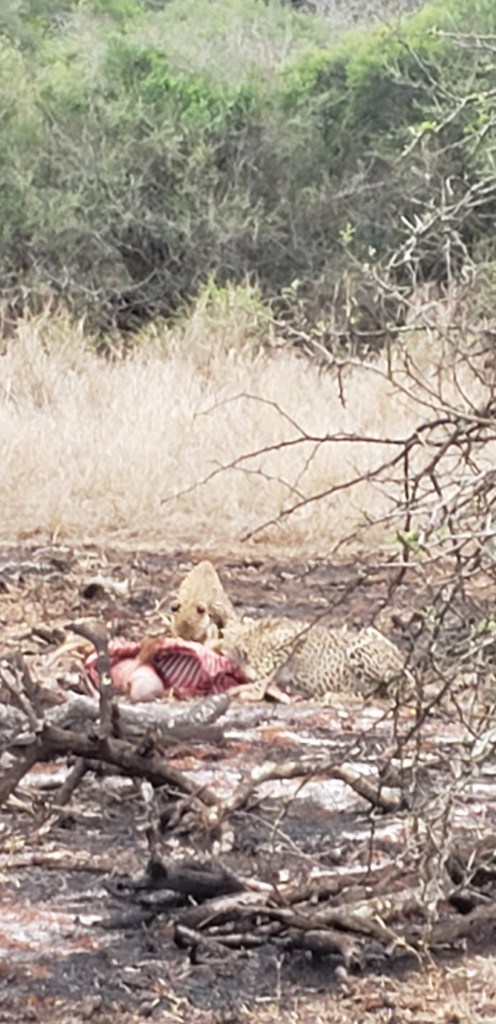
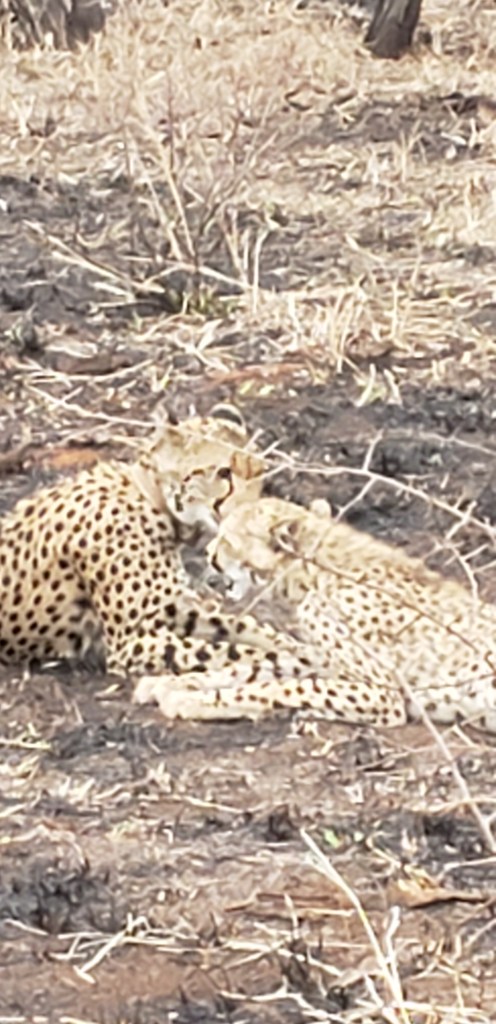
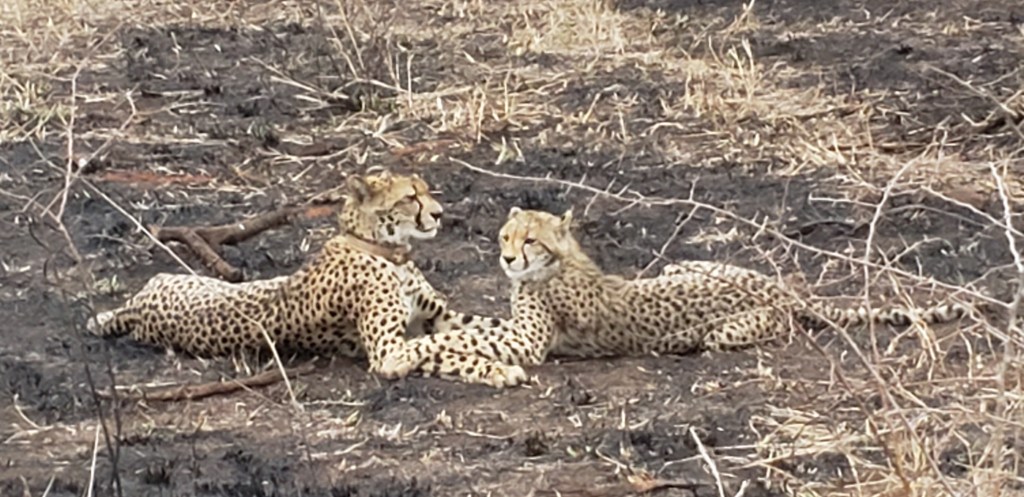
Other than that tragedy, we also saw a cheetah mom and 2 daughters and son feeding on a recent kill and grooming themselves.
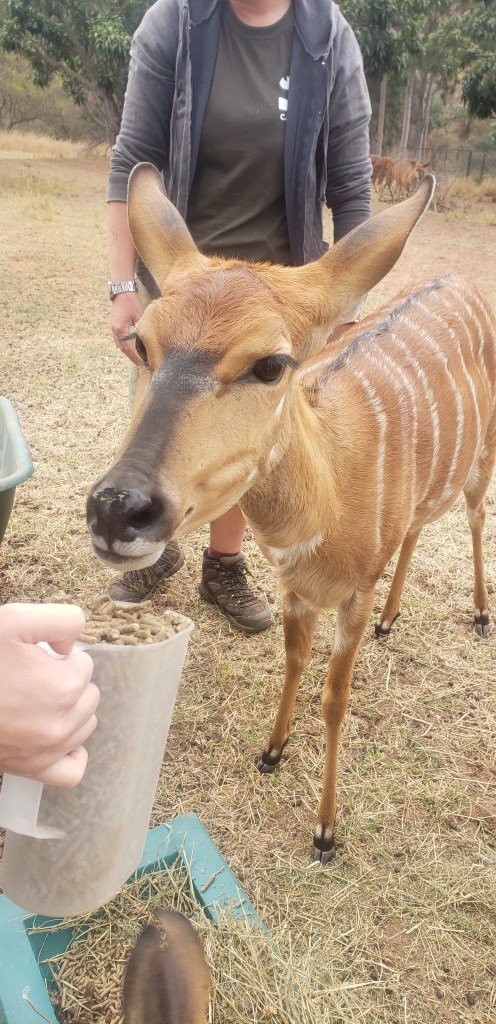
Their act of killing, also tragic for the Nyala, but necessary for their own survival. These animals are magnificent and it is a privilege to see them in their own environment.

Traveling with a herd of elephants was thrilling as they plowed their way through the trees and bushes.
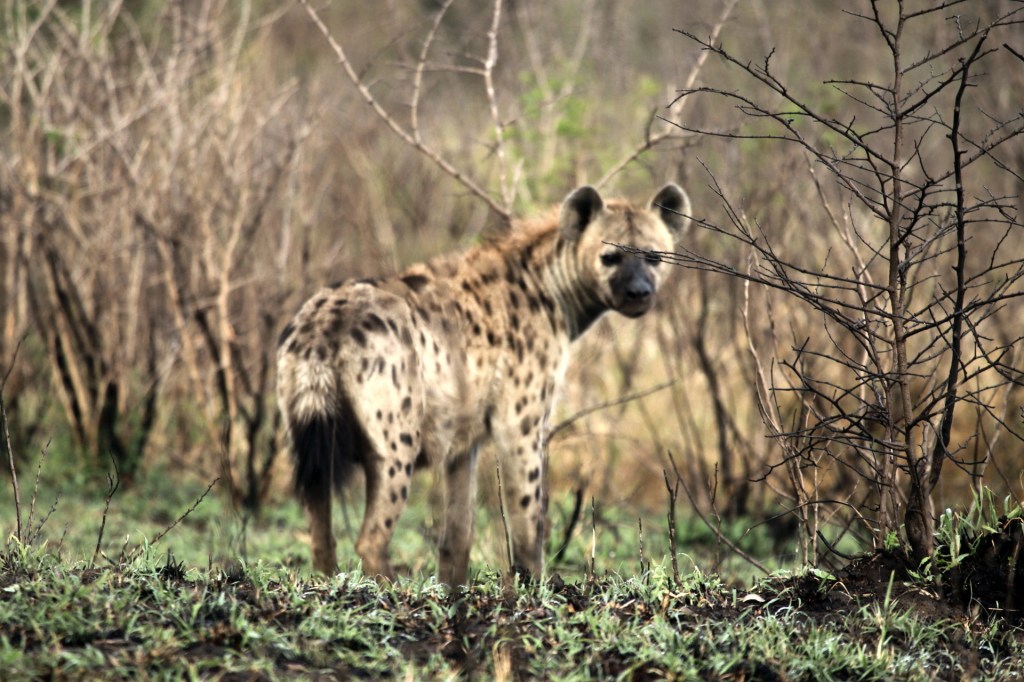
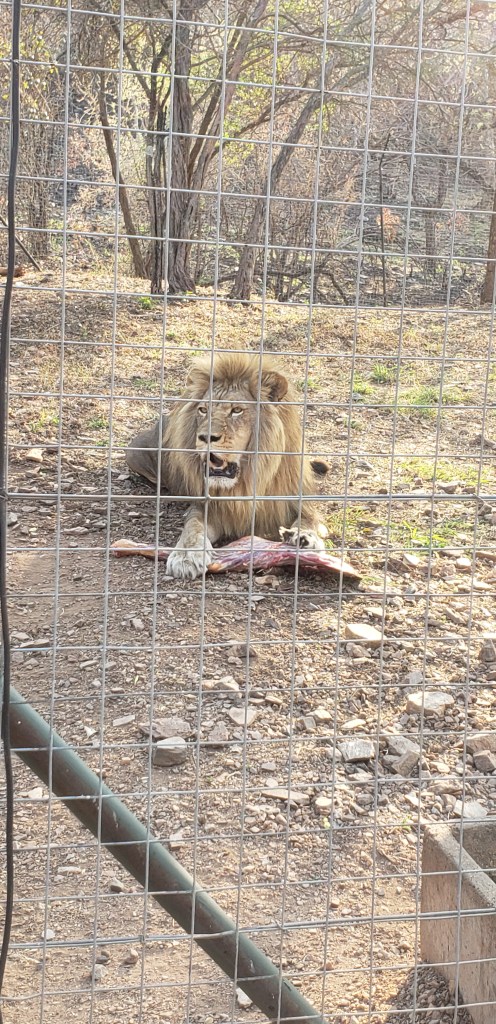
Besides the elephants, cheetahs, lions, rhinos, giraffes, zebras, nyalas, kudus, hippos, ostriches, vultures and eagles an abundance of other birds can been seen.
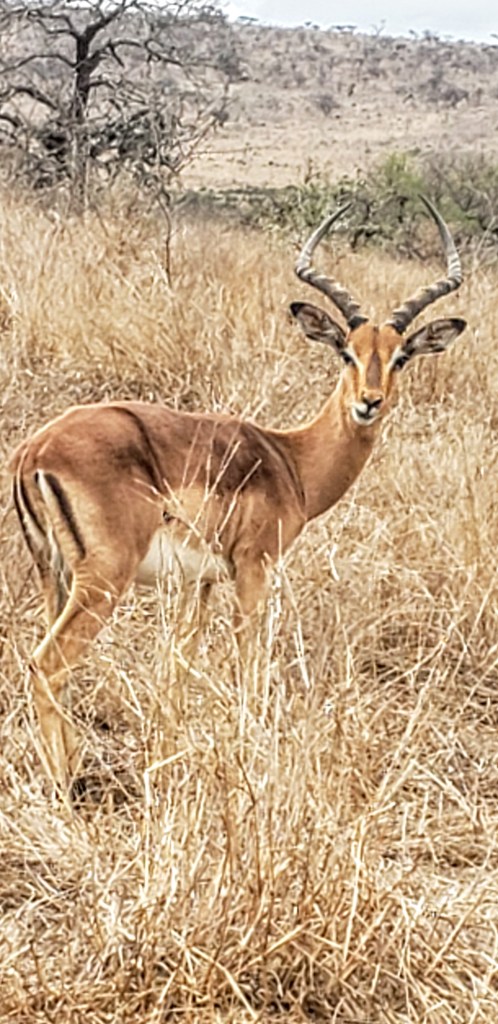
Impala
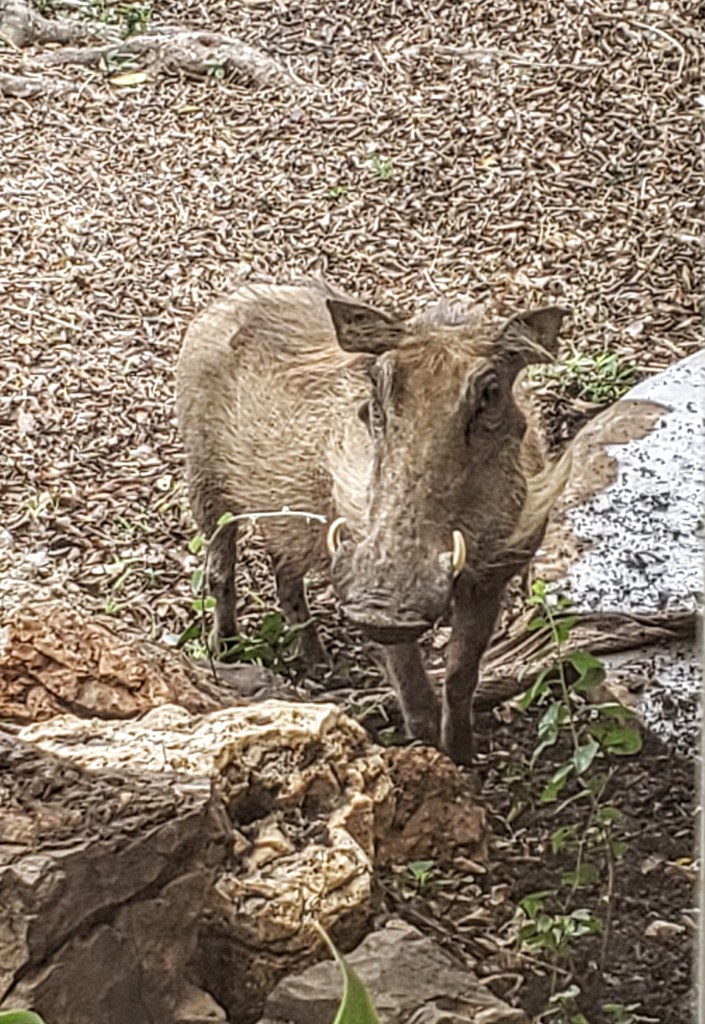
Warthog
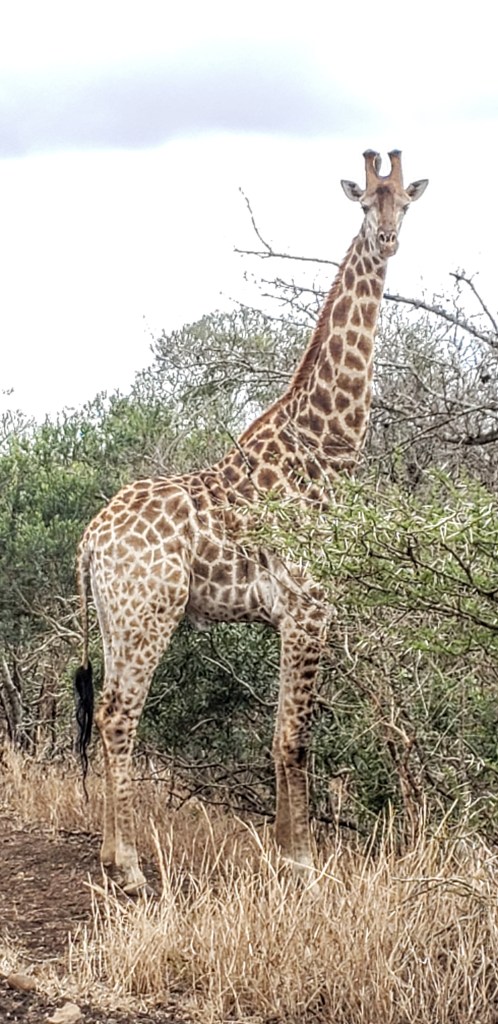
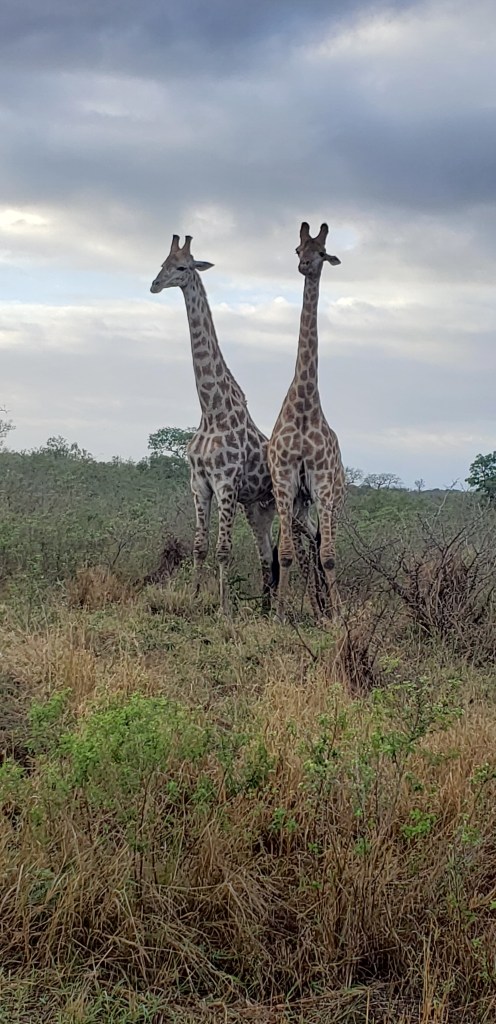
The mighty giraffe
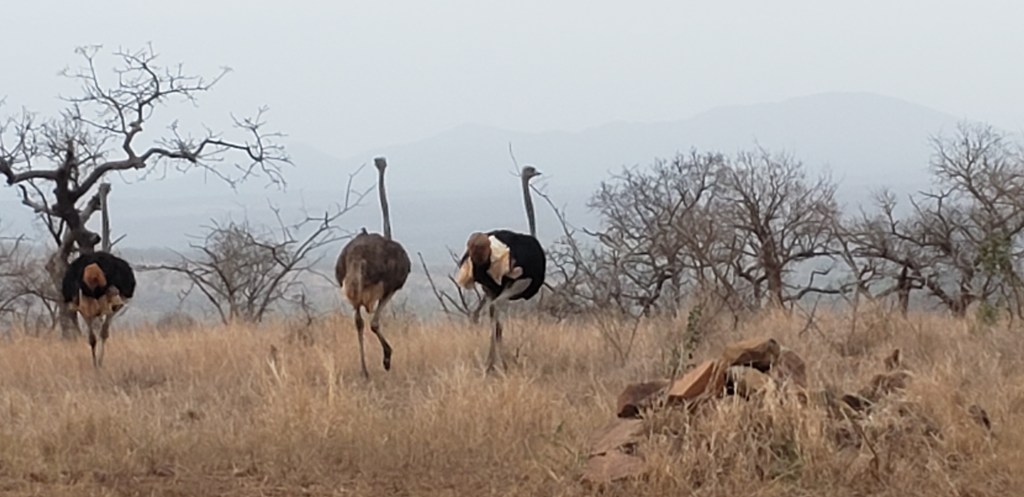
Ostriches
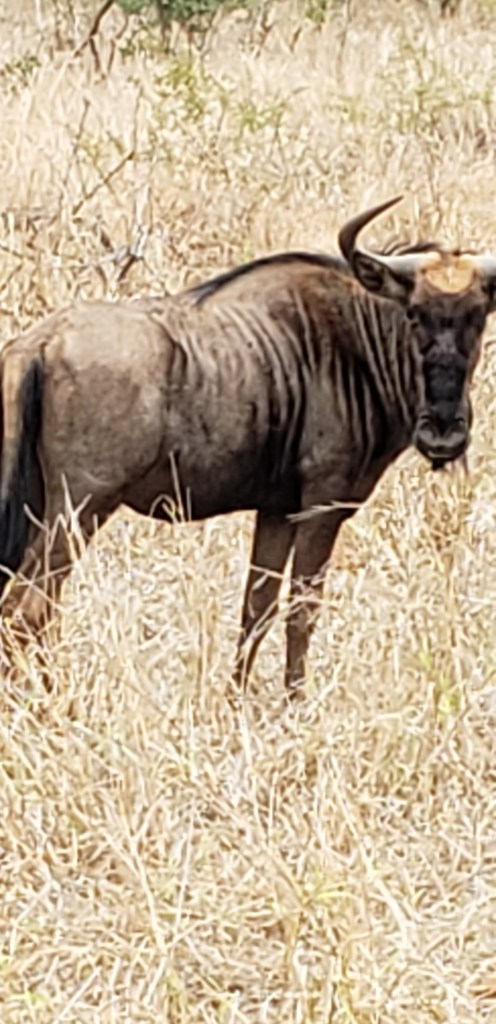
Wildebeest
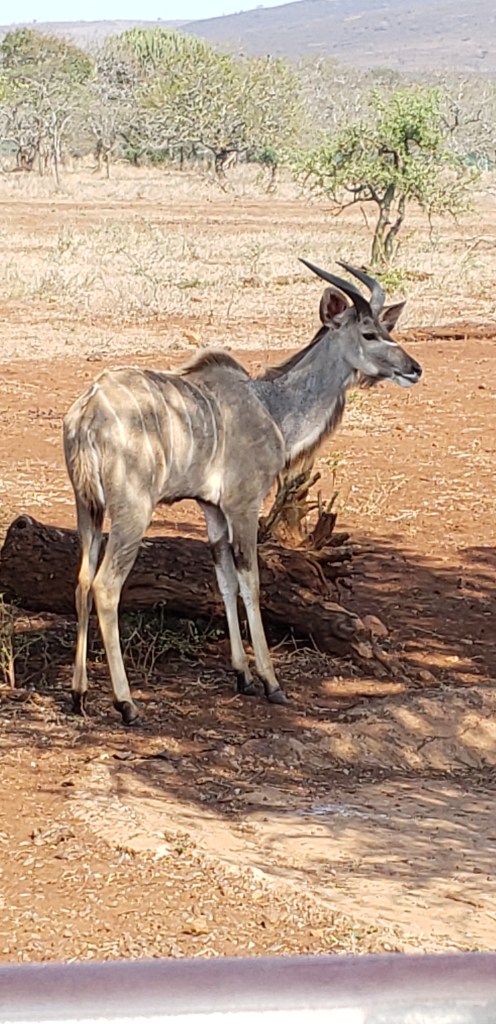
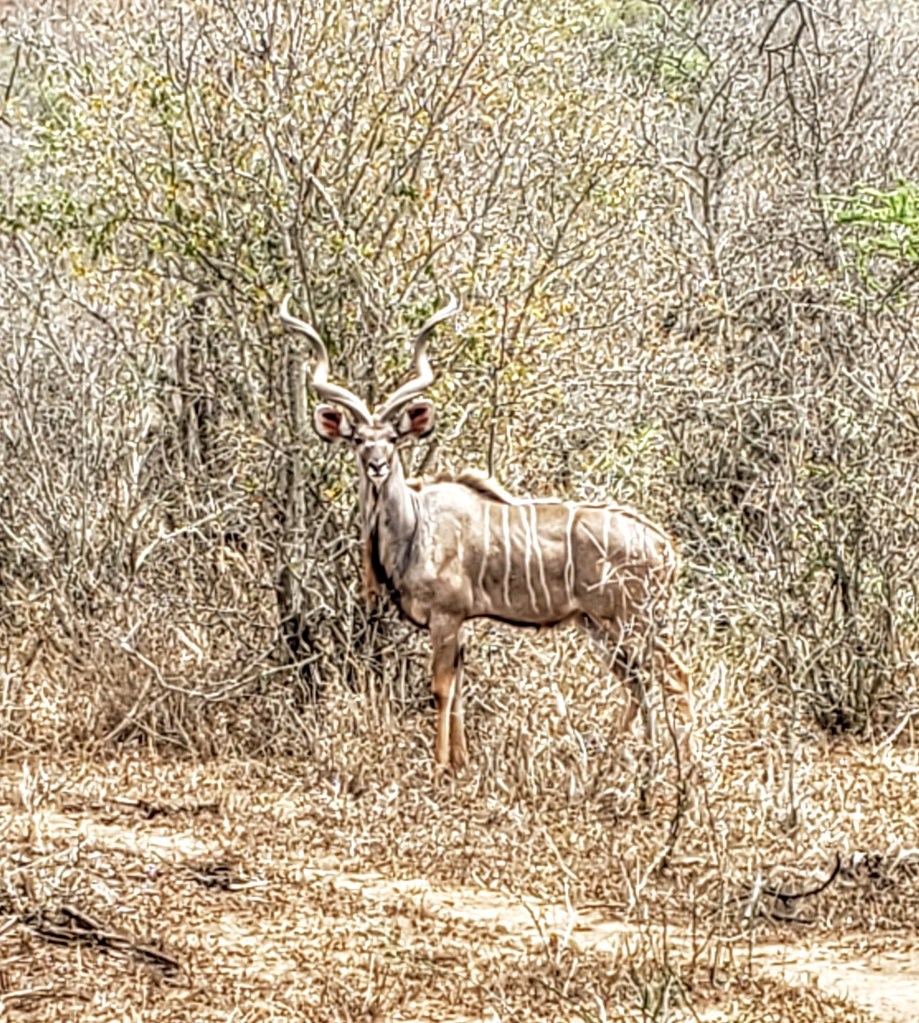
Kudu
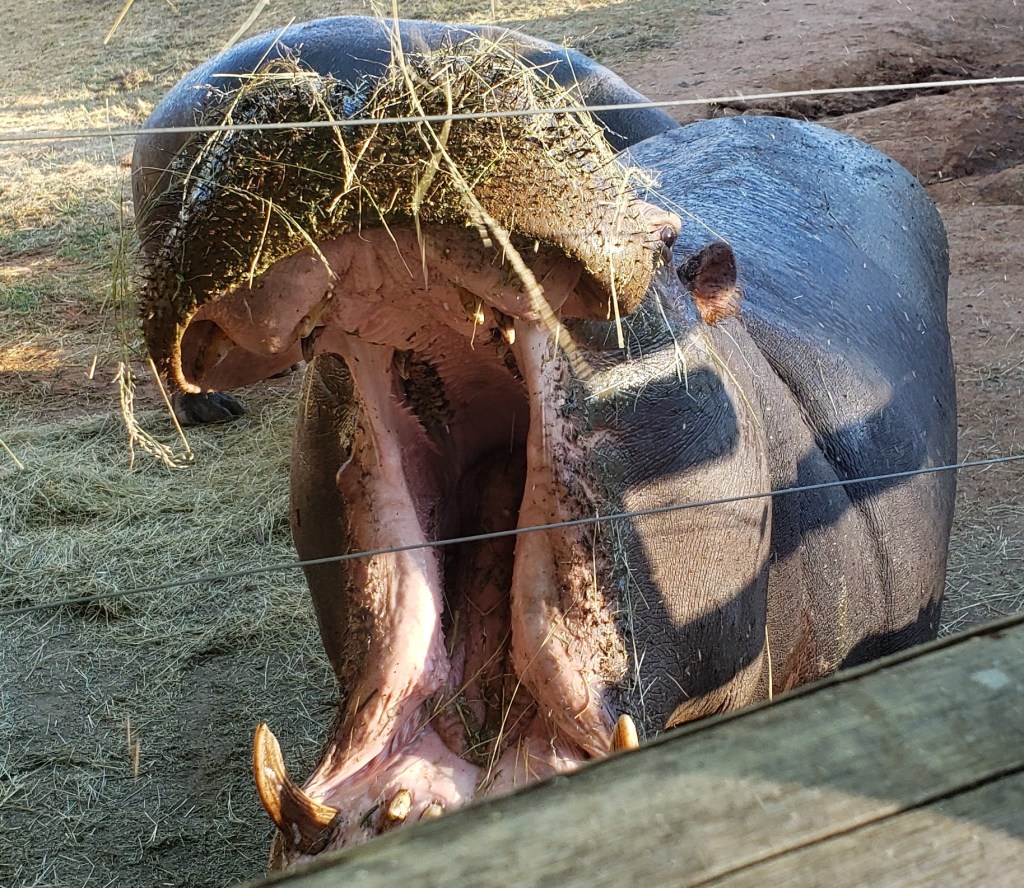
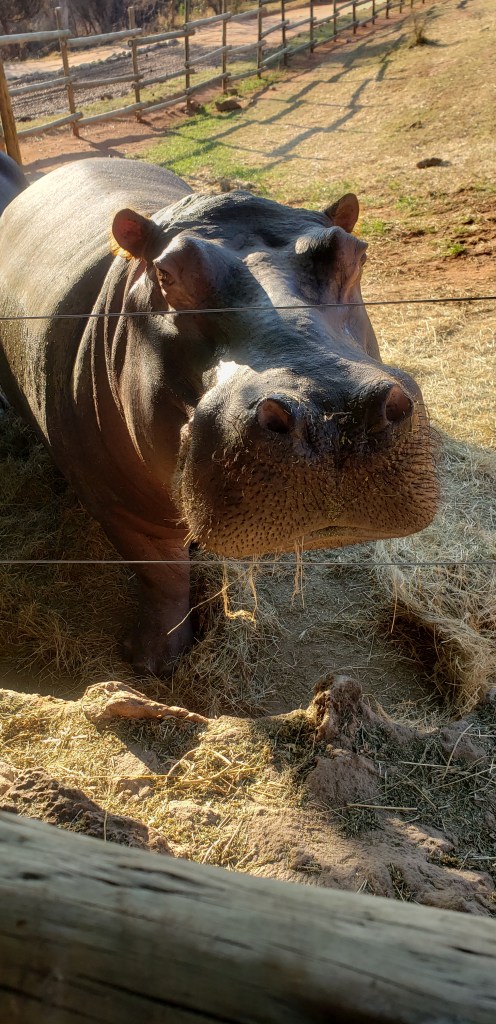
Hippos
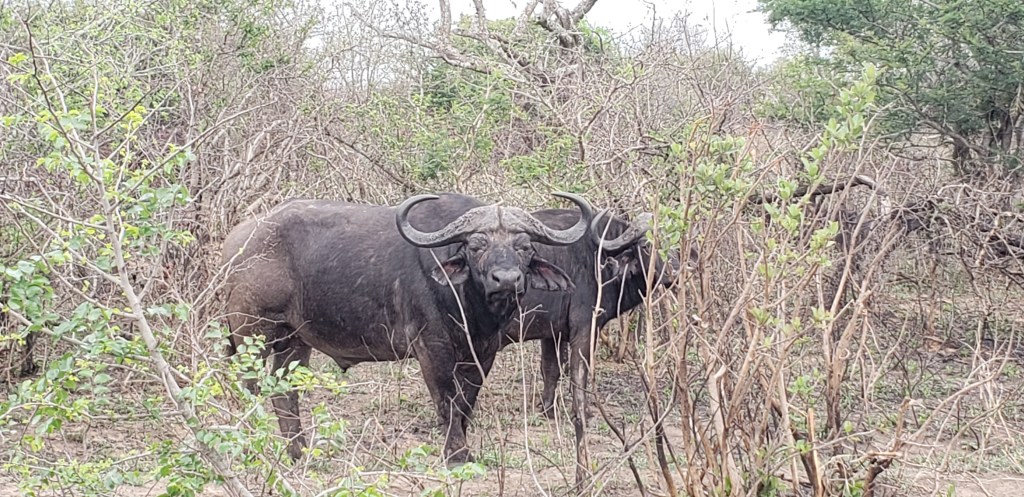
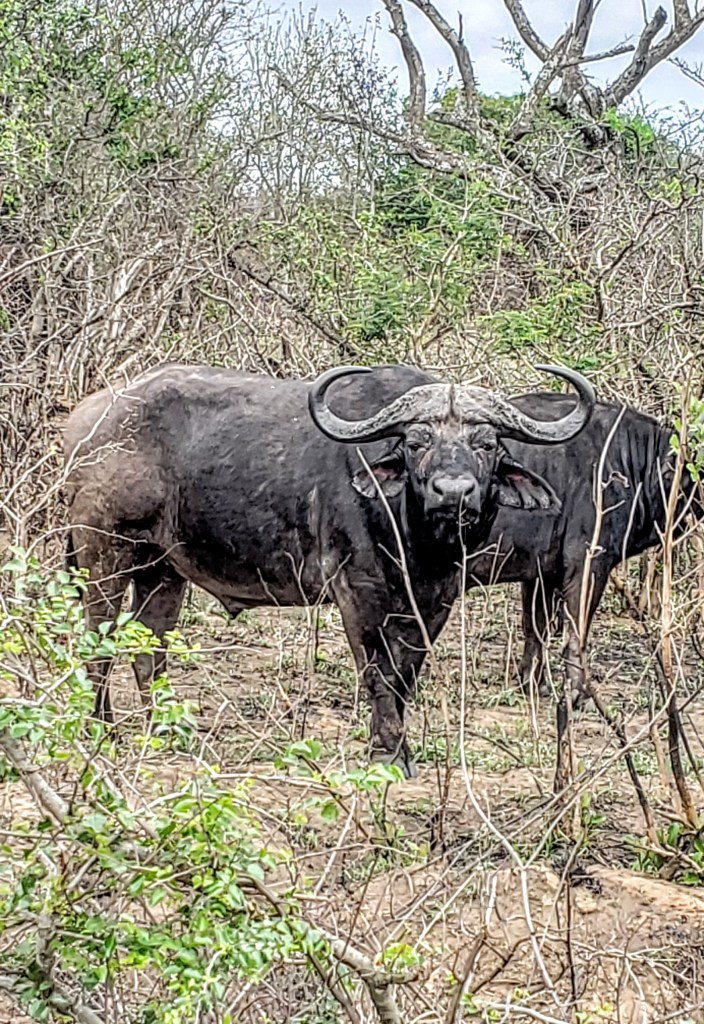
Buffalo
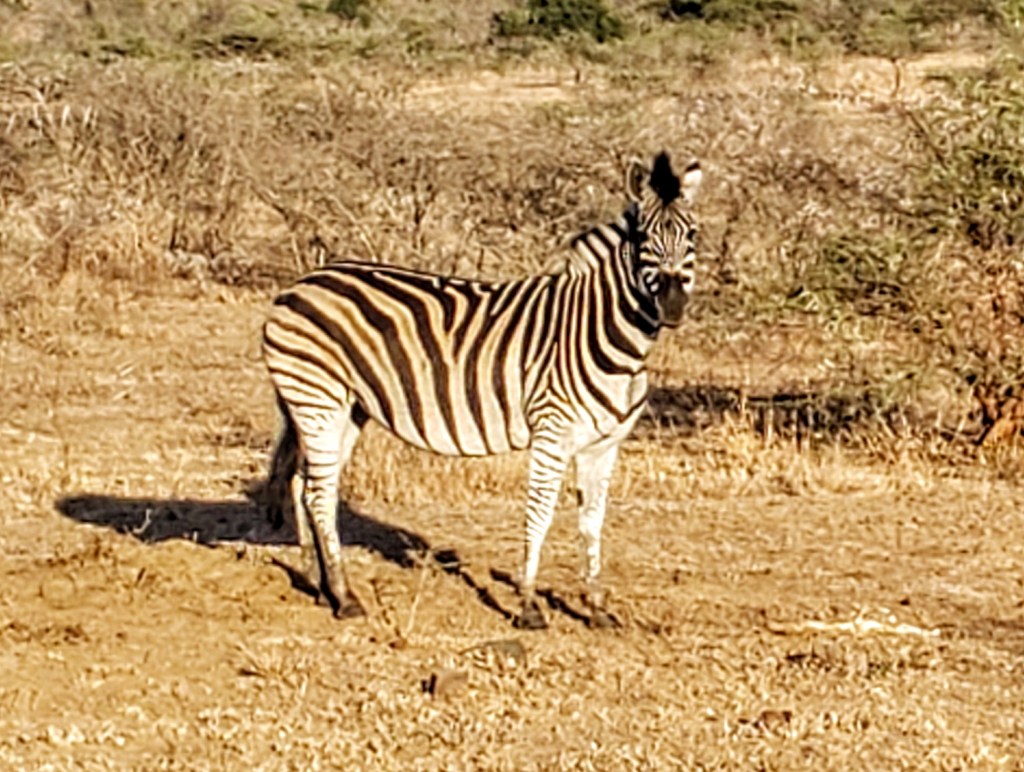
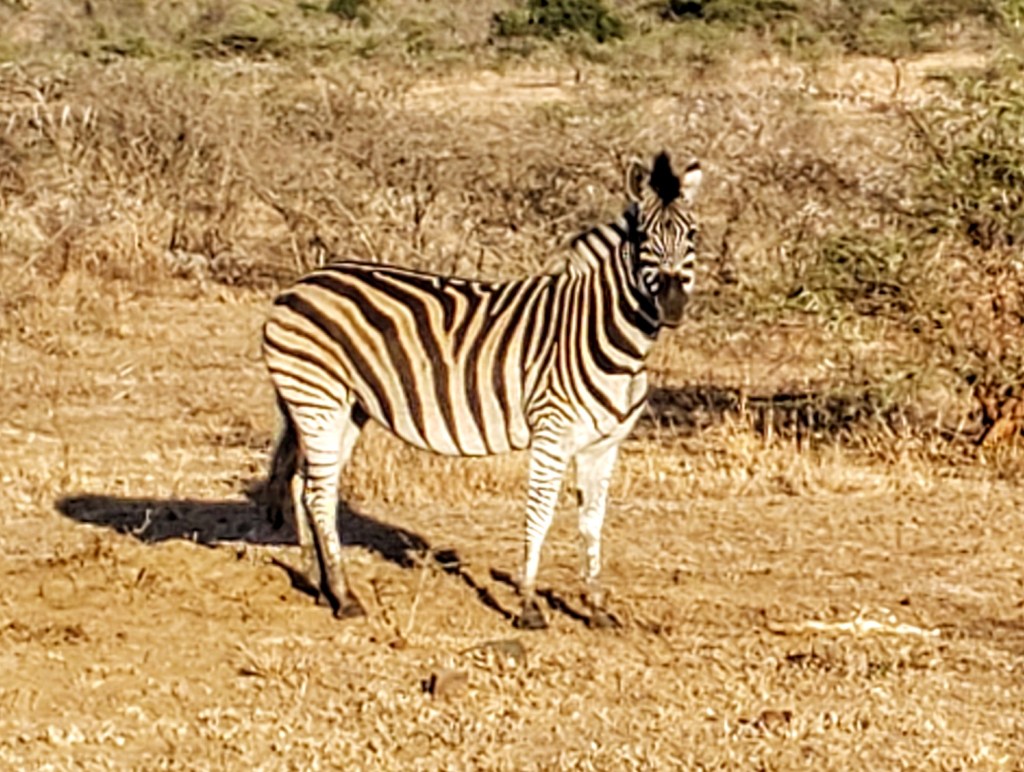
Zebras
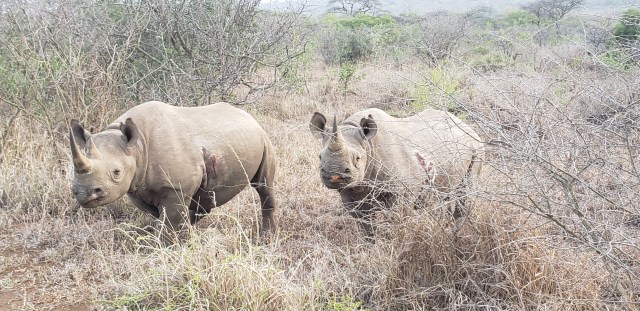
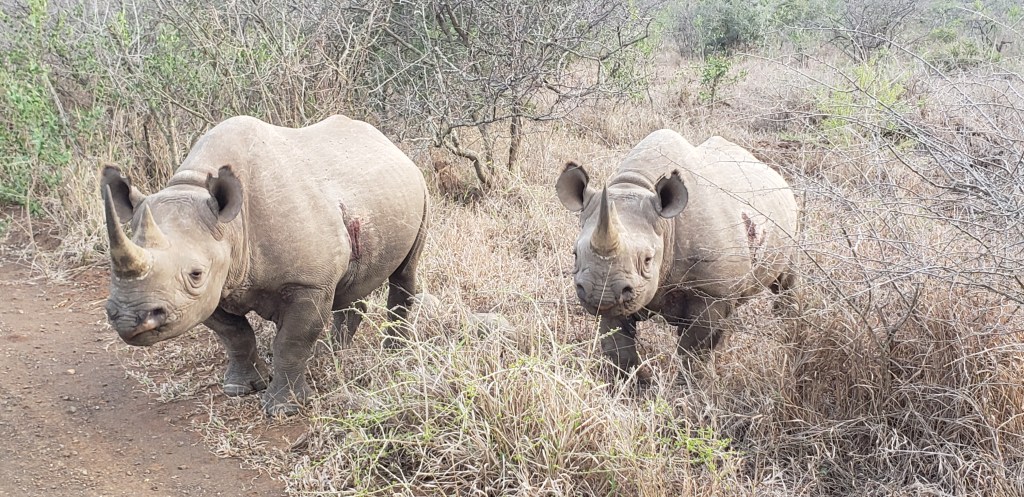
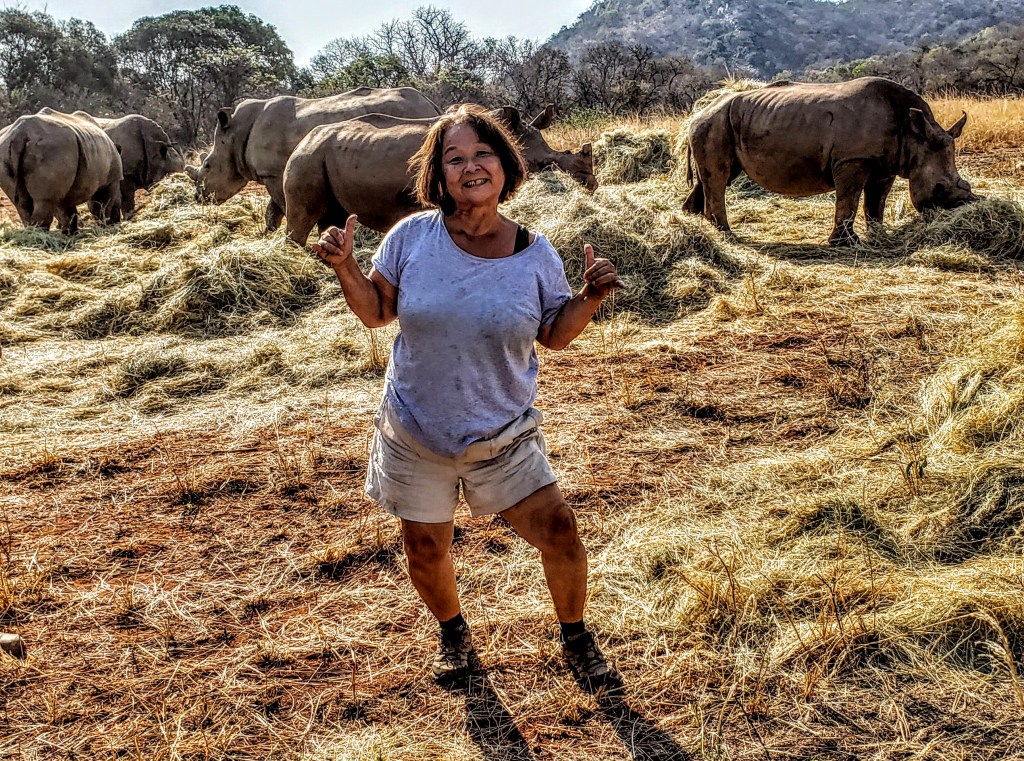
Black rhino

South Africa’s magnificent wildlife is hardly be matched.
Wildlife ACT was great. The facilitation of the tracking and monitoring in order to keep track of and balance the wildlife is an essential part of management. It was a honor to be part of the organization.

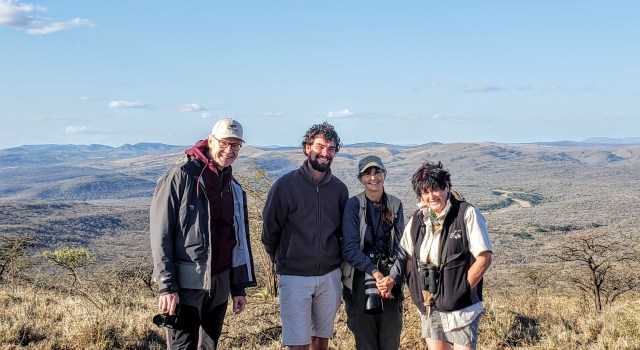
Monitors
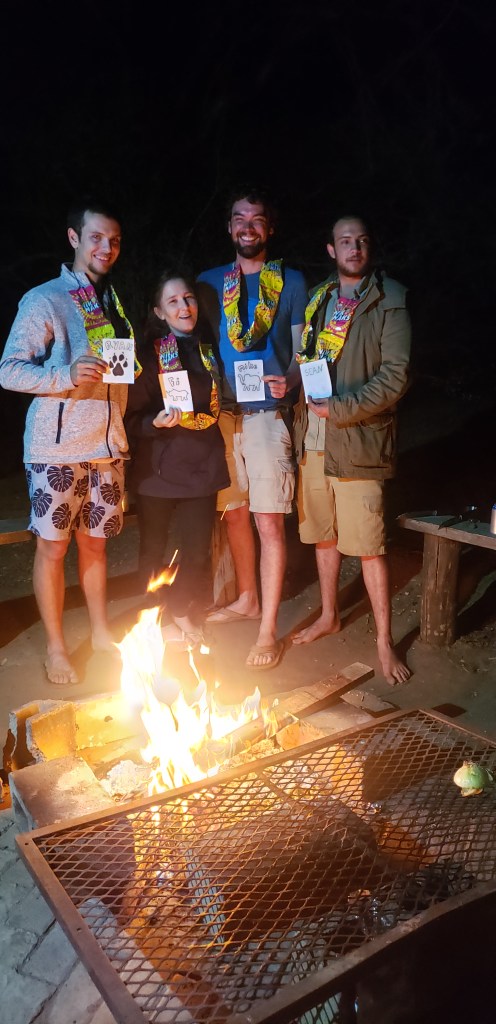
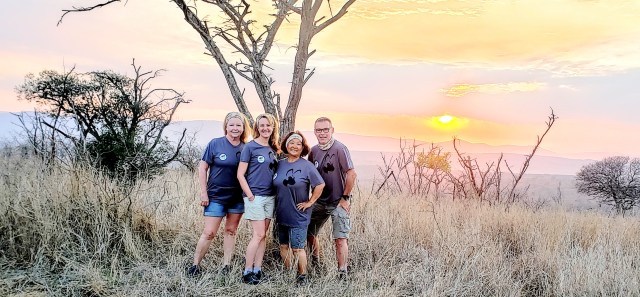
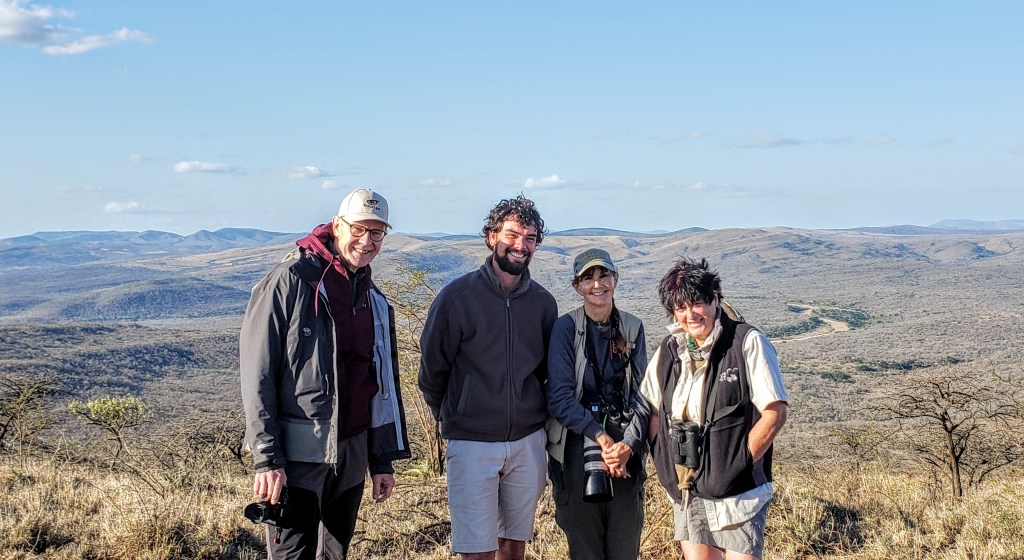
Teammates session 1
Teammates session 2

I look forwards to my retirement. Where I will go next and what i will do could be anything. I will leave my options open. Exciting to find out what it will be.


.


.


+

Wildlife ACT

My experience with Wildlife ACT organization was great. I went to 2 different reserves to track and monitor species like wild dogs, cheetahs, lions and more. Had a dangerous encounter with a mad elephant as well as many tender encounters with them as well.

Enjoyed making new friends … humans and animals both.

Wild dogs
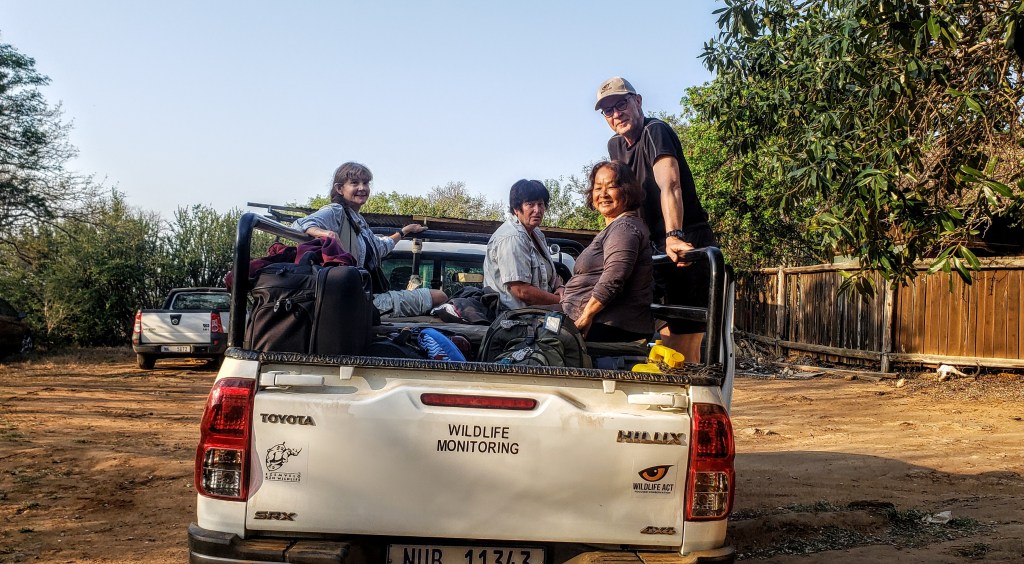
Going out for the day
A kudu

Love seeing the animals in the wild and meeting new people. Learning lots of things about animals and people. Heading out now for my last volunteering experience. More later.

South Africa

What an experience… 10 days volunteering at an animal sanctuary was enlightening, exhausting and enriching. I learned alot about the Rhino poaching issue, the corruption of the SA government and got first hand experience with those people who are passionate about it.

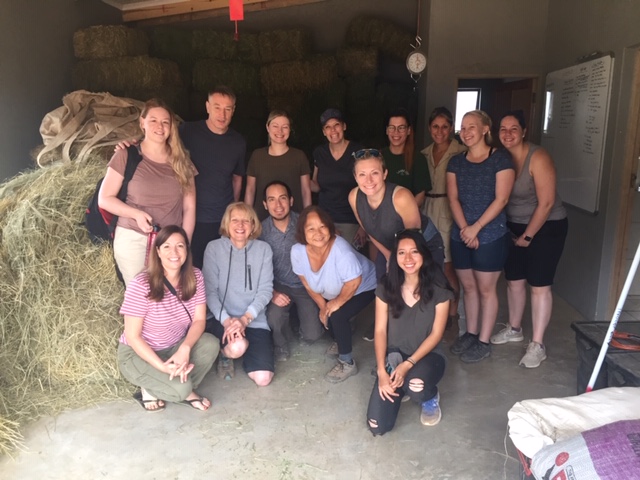
Volunteers

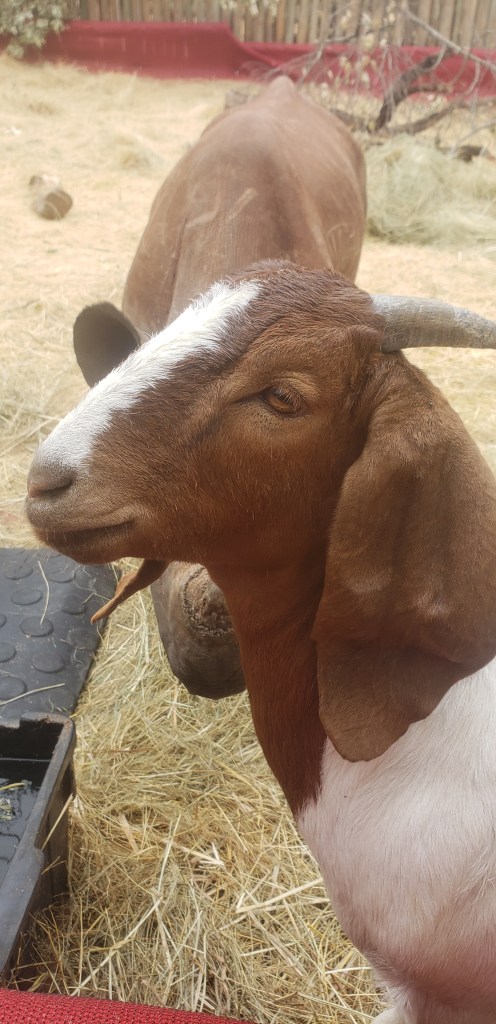
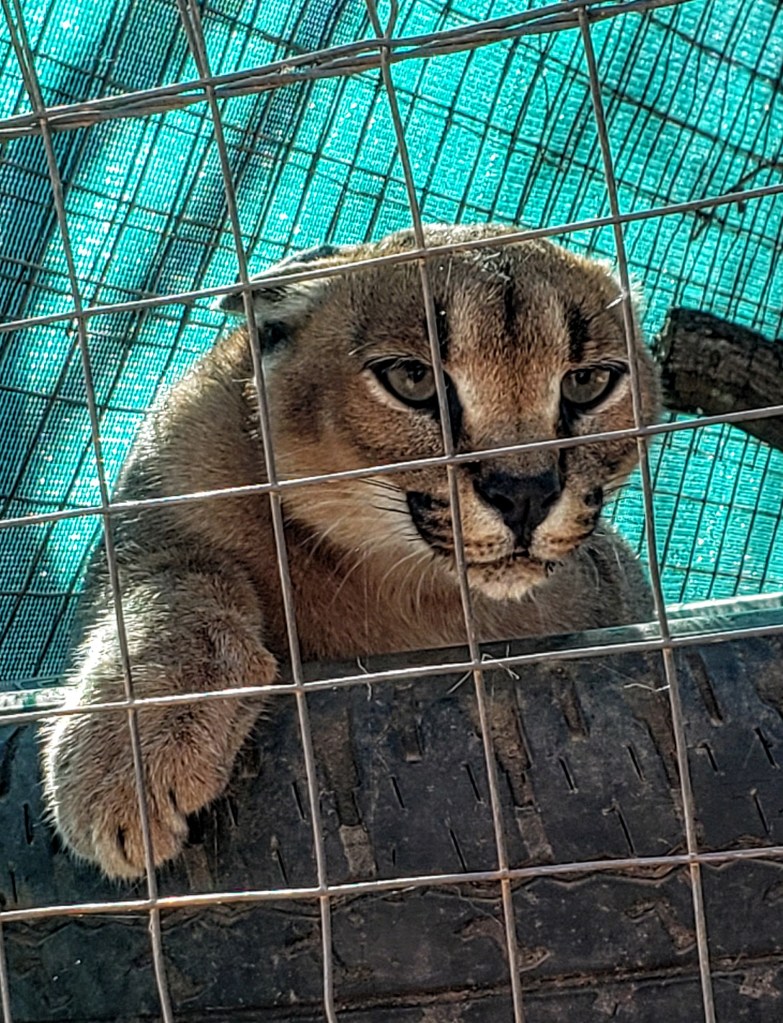
The organization cares for many different animals for a variety of reasons, may it be abandonment, illegal species or simply injured.

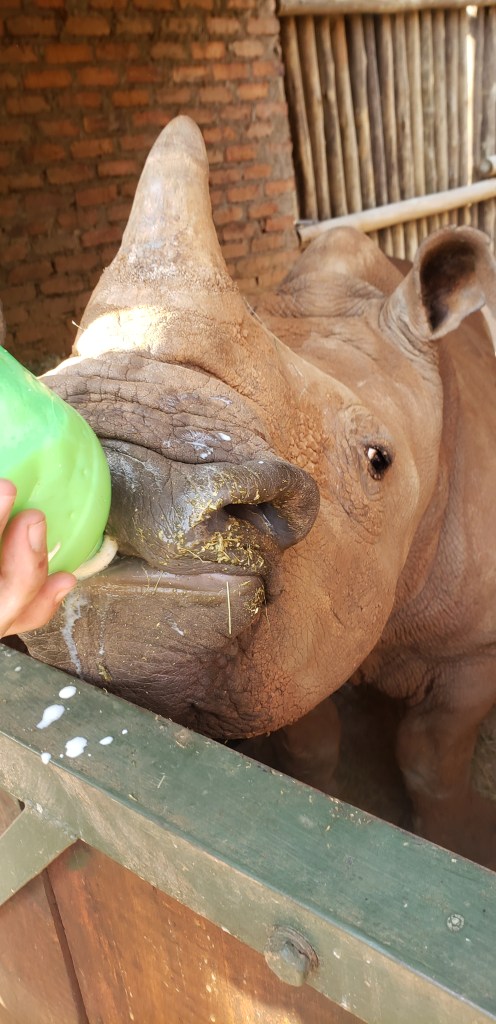
Of course, they are most passionate about the rhinos and their plight. Fastly dwindling due to the rhino horn trade. Some think the horns have medicinal value while they are simply made up of keratin, the same as our nails. The poachers take only the horn and leave the mothers to bleed to death while their babies stay nearby. The orphaned babies are often injured themselves whether it be from the poachers or other predators. Baby rhinos cannot live without their mothers so thank goodness for organizations that care for them.

Babies are fed through a bottle.

Man is the most dangerous predator there is. They will destroy this earth and all that is in if greed and self gratification continues. We can do our part if we live with compassion and awareness. We need to share our knowledge and support organizations that strive to help.

Organizations such as Care for Wild and the Rhino Orphanage do their part.